
70. Building A Sustainable Creative Life with Talia Duvet

 Apple Podcasts
 Spotify
 iHeartRadio
 Amazon Music
 YouTube
 RSS Feed
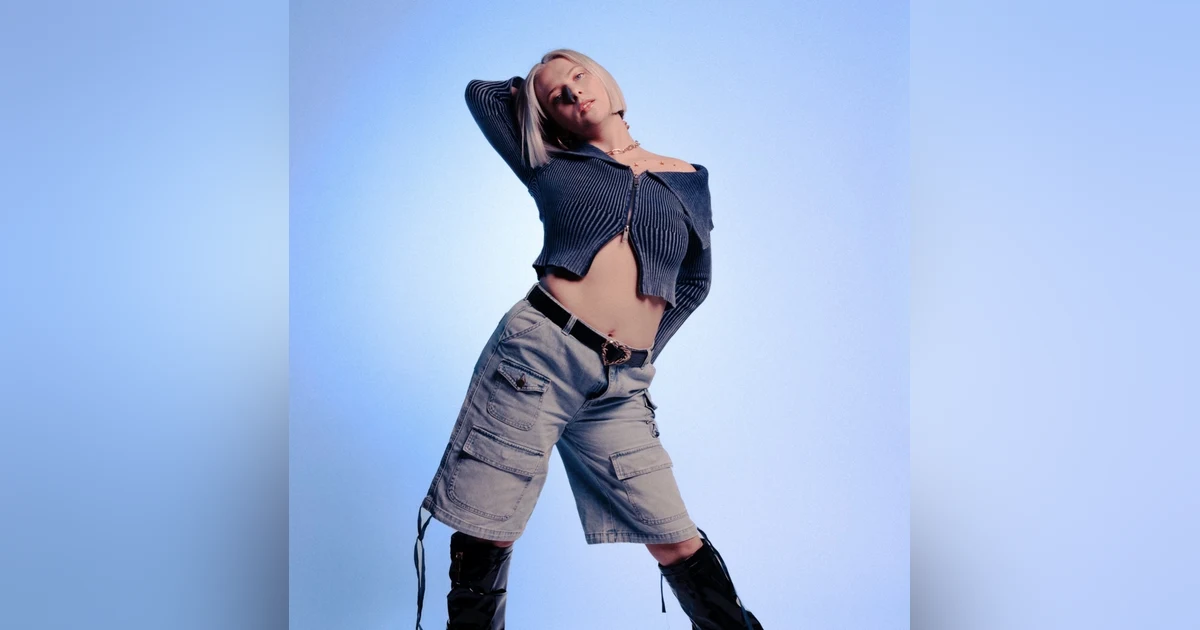
 The topic of this week’s show is BUILDING A SUSTAINABLE CREATIVE LIFE and joining me on the show is someone who wears a lot of hats – she’s an artist, songwriter, producer, dancer, and Executive Operations Manager at Misfit Music Management – it’s Talia Duvet!
We had a great conversation about what a sustainable music career actually looks like today, how you stay creative while working full-time in music, whether working in the industry helps or hinders your own artistry, and so much more!
And just a quick note that this episode is the final episode for Season 6. I’ll be taking a bit of a break but will be back soon with Season 7 and more music industry wisdom for you!
FRESH CONTENT LINKS
Talia recommends: Father of Peace
Jen recommends: Travis Barker: Louder Than Fear documentary
SOTW
Talia Duvet - Time
Learn more about Talia Duvet at taliaduvet.com
Learn more about Fritz Media at fritzmedia.ca
Learn more about The FM Podcast at thefmpodcast.com
SPEAKER_02
Hello, and welcome to the FM Podcast. I'm Jen Fritz and I run Fritz Media, a music publicity and digital marketing firm located in Vancouver, Canada. And this is episode number 70 of the podcast. So the topic of this week's show is building a sustainable creative life. And joining me on the show is someone who wears a lot of different hats. She's an artist, songwriter, producer, dancer, and executive operations manager at Misfit Music Management. It's Talia Duvet. We had a great conversation about what a sustainable music career actually looks like today, how you stay creative while working full-time in music, and whether working in the industry helps or hinders your own creativity and artistry. And of course, there's so much more that we discuss. Oh, and uh just a quick note that this episode is the final episode for season six, and I'm gonna be taking a little bit of a break, but I'll be back soon with season seven and more music industry wisdom for you. And now, without further ado, here's my conversation with Talia Duvet. Well, hello, Talya. How are you doing today? I'm good, Jen.
SPEAKER_00
How are you?
SPEAKER_02
I'm doing okay. Uh we were just kind of chit-chatting earlier and I'm getting over a cold right now, which is so summer colds. I guess that's a thing now. And uh the worst. Yeah. And I honestly I haven't been sick in a long time, so it's really taken me down.
SPEAKER_00
Me too, but like knock on some wood, because please.
SPEAKER_02
No, thank you. No thank you. But yeah, I am feeling better today, thankfully. Um it's really good to see your nice smiley face. I don't think I've seen you since the last time like we went for coffee, IRL.
SPEAKER_00
Yeah, which was a while ago. When was that?
SPEAKER_01
This year? Was it this year?
SPEAKER_00
Yeah, because I must have I would I would have gotten the grant and then we would have gone for coffee. So it would have been like early spring, maybe. That feels right.
SPEAKER_01
Yeah.
SPEAKER_02
Oh my god, that seems like a lifetime ago. Like when I was thinking about it, I thought it was actually last year.
SPEAKER_00
I think I was too, but then I was like, there's no way we would have met up if I didn't know if I was for sure doing the project.
SPEAKER_02
So Yeah, that's that's right. You had to know that Creative BC was gonna give you some money to do the project. Yes. To enlist my services, yes. And we're we love Creative BC. So thank you.
SPEAKER_00
We do.
SPEAKER_02
Thank you for that. Um, so to get things started here, uh I'm gonna begin with a question that I like to ask all of my guests, and that is how did you get your start in music?
SPEAKER_00
I have always been an arts person. I grew up dancing like a really competitive dancer. I went on stage the first time at like three years old, and it's a really funny story. I was like crying before I went on stage for my first recital because I was scared. My mom was like, you know, it's okay, you can do it. I'm like three years old in a little like itsy bitsy teeny weeny yellow poka da bikini outfit. Oh my goodness. And then I came off stage. I had one dance and I came off and I was like, mom, like that was so amazing. When do I get to do that again? And she was like, oh well, not until next year. And then I burst into tears again because I wanted to perform more. So the the love started early, but specifically in in music, I um I moved to Vancouver when I was 18 and was in a professional hip-hop company. And around the same time, I was trying to figure out how the whole thing worked of like finding a producer and writing music and recording. So I like released a little two-song EP um when I was 19, which is no longer on streaming services. No one go look for it. That happens. No one go look for it. Um, and then COVID. And then I went to jazz school for a little bit. And then really where everything started was when I did the program, the artist development program at Nimbus, which was like a crash course in here's what the industry is like, and then have just been kind of figuring it out piece by piece since then, which was I guess 2023.
SPEAKER_02
Yeah. Well, you've done a lot. Like the title of this week's show is um building a sustainable creative life. And the reason I, you know, I thought you would be a good person to talk to is because, you know, as you've kind of mentioned, you do wear a lot of hats. Like you've done a lot of a lot of things in the creative space. Uh, you're an artist, songwriter, producer, dancer, as we were talking about. And um now also we haven't talked about this, but you're executive operations manager at at Misfit Music Management. I am.
SPEAKER_01
Yeah.
SPEAKER_02
So how did your path lead you to there? Like you gave us some of it, but how did how did you get to where you are right now, would you say?
SPEAKER_00
I was working in a restaurant, hating my life. And Misfit posted on Instagram. Yeah, as you do. Um, Misfit put out a post that they were looking for that they were hiring. And I almost didn't apply because I had a fairly negative experience at my the originally hired me as an executive assistant, and I had had an EA job before, and it was not a good time. And I almost didn't apply because I was like, maybe I'm just like not cut out for this kind of work. And then I was like, you know what, Talia? Like, totally different industry, totally different company. Don't like shoot yourself in the foot before you even try. So I applied and I got the job, and that was in July of last year. Um, but obviously the previous EA job and experience I had before that was super helpful in being prepared for this job. So it's like, you know, kind of everything happens for a reason, totally sort of deal. And then over the past year with Misfit, I've just, I feel super lucky. They give me a lot of trust and lean into what I'm good at and let me do the things that I'm good at and have trained me in a lot of things because it's a fairly small team, and I just kind of get to do what I'm good at and what I love to do with them, which is a huge blessing in in a job.
SPEAKER_02
Oh, definitely. It's good to have a job like that at the beginning of your career too, working for a small company because you learn everything. And there's so many different sides to this business that you know you often don't get that opportunity.
SPEAKER_00
So it is really really good for that.
SPEAKER_02
And I actually interviewed uh Elise from Misfit. Yeah, she was on the show uh a previous season. I love, I love what they're doing over there. I think they're a great, great group of people. So you are working for a really good team. Now, as I mentioned, we called this episode uh building a sustainable creative life. Now, when you hear that phrase, what does that mean to you? Like what did what do you think of?
SPEAKER_00
I think for me, what I've always been striving for is being able to make my art and pay my bills. And there was a period in time where I was feeling like my life was kind of this triangle where there's three points, but you can only have two. And it's either like, you know, the points are like pay your bills, make your art, and take care of yourself. And I was feeling like I could only have two at a time, and it was like destroying me. And so my, my kind of my holy grail has turned into like being able to have all three of those things.
SPEAKER_01
Yeah.
SPEAKER_00
Which is like a little bit of a paradigm shift from maybe what you're sold as growing up as like a performer, where people are like, you're gonna be, you know, whatever, you can be a pop star. And then, you know, you move out at 18 and you're like, oh shit, I have bills to pay. Like, oh no. Where does the time come to do all of it? So yeah, I think if I can live a life where I'm I'm taken care of physically and mentally and financially, and I also can make my art, then that's that's a good baseline for happy. Yeah.
SPEAKER_02
Yeah. No, that that totally makes sense. I mean, it is, I mean, I've been a young person as well. I know that it it's hard. It's hard when you start, you know, and like especially in a creative industry, it can just be so frustrating. You're just like, what am I doing this for?
SPEAKER_00
Yeah. To quote Olivia Rodrigo, it's it's brutal out here. It is brutal out here. I love, I love Olivia.
SPEAKER_02
Uh, you know, because of this, I think a lot of artists feel like they have to choose between being creative and being financially stable. I think that that's a decision that a lot of artists feel like they have to make. And you have, you know, as you've mentioned, you've managed to to build a career that includes both. How do you think about like balancing the artistic fulfillment with the practical realities? Is there like any thinking behind it? Like, how do you kind of work that into your life?
SPEAKER_00
Yeah, it's really I'm something that I'm still learning and that is really important for me is knowing when to take each of those respective hats off. Like it's hard to be the, you know, the business manager or the regular person working a job and the artist at the same time. So I think having really strong boundaries around like, I'm turning off all of my technology and I'm just letting myself exist as a creative person this evening.
SPEAKER_01
Yeah.
SPEAKER_00
You know, and just like making sure that that happens. Because if you think, oh, I'll do it when I have time or when it presents itself, like it just never will. There is always going to be something in life that feels more urgent or important. And if you don't carve out the time for your creative self, then you know, weeks can go by and then you're like, wait a second, when was the last time I touched a piano?
SPEAKER_02
No, it's very true. I mean, it is just the way that you're expressing it, I think it's important. I like the idea of just being one person at a time kind of thing. Yeah, that that's really I like that. Cause I mean, I I I I have to do that a lot of the time too. It's like you're working on this thing only right now. And that can be like really hard to do when, you know, even our jobs have so much in them, you know, and you're expected to do to do so much. And, you know, because you're both an artist and um someone who works in artist management and you do get to see the industry from both sides. Has working with artists maybe changed the way you approach your own creative career?
SPEAKER_00
Yeah, I think I don't think I realized how strange it is for me to be an artist that also has like an admin side or like a techie sort of passion. And I realized that I can really lean into that to like help me in leaning into my organization and that sort of thing. Instead of feeling like there's maybe sometimes part of me where I'm like, oh, like I'm not, you know, fully an artist because I am not totally just whatever airy fairy around all the time and I know how to use a calendar. And then I was like, wait a second, I can use this. This is a skill.
SPEAKER_02
It's a superpower, man.
SPEAKER_00
Yeah, but I didn't really, I didn't really know that until I was in the industry and I was like, oh, okay. And I definitely feel like, you know, I've seen behind the curtain a little bit where there's just these some things where you're like, oh, this is how this is done, but no one was gonna tell me that.
SPEAKER_01
Yeah.
SPEAKER_00
Like with grant writing. That's a big one. Where you're like, oh, now I know this. So I can use that information. So it's definitely been helpful, but it also has been like, you know, we were talking about how we don't like traveling, like jumping between places. And I've learned that about myself. And I go, how am I gonna tour? You know, like this.
SPEAKER_02
That's actually a a really good point. Yeah. Uh to the listener, before we went on, we were talking about how when you're like traveling, like when I was just in London, I stayed at three different places and the travel between, like having to pack your suitcase up again and then go to another place can be frustrating. And I didn't even think of that, that that's basically what touring is every day. Oh my God.
SPEAKER_00
And I'm like on tour with artists and I'm seeing them doing that, and then also having to perform at night and then waking up and you know, getting on a plane or whatever. And I was like, oh, I have to think about how I would do this.
SPEAKER_02
Yeah. Well, it's like, I know that you're like, you describe yourself as someone who thrives on systems, right? And um, like maybe you just have to kind of figure out your totally your system for that. And, you know, I think, you know, actually we've already touched on this a little bit, but you know, a lot of people, as you said, like they hear the word systems and immediately worry that it'll make them less creative. But as you said, I think it does give you a bit of a bit of a superpower. Um, for someone who feels overwhelmed by by trying to juggle music, you know, work, social media, admin, all of it that comes with being an uh artist these days and, you know, just life in general, what's one simple system or habit that you would recommend starting with?
SPEAKER_00
This is actually such a good question because I'm I'm working on a workshop right now on this topic that I'm presenting at Breakout West this year. Oh, nice. And I've done a lot of work helping artists create systems that work for them. And I think that where productivity apps and like the industry of productivity goes wrong is they try to prescribe people a system and say, this is the system. And then people, if it doesn't work for them, they feel like you know, it just contributes to more of them feeling like they suck or they're a failure because they couldn't use that system. Whereas I think the trick is actually teaching people how to create a system that works for them. That's true. So, you know, you have to have a way to capture the things that you need to do. And that looks different for a lot of people. Do you like writing it down? Do you like voice notes? Do you like having an app? Do you like, you know, having a some people I've seen have, you know, like bowls of sticky notes where they put the random non-time urgent things that they need to do in. So capturing things, sorting things, delegating things. But in more of a specific in more of a specific sense, I I think the first thing to do is to realize that you can't and don't have to do everything.
SPEAKER_02
Uh that's very good advice, Talia. It's I think the problem is, is like people one when you're overwhelmed, you don't know what taking that first step is the hardest thing to do. Yeah. Right. And just knowing that you just have to do step one, like that just step one, and you don't have to like do friggin' everything.
SPEAKER_00
Yeah.
SPEAKER_02
You just like start.
SPEAKER_00
And you don't even have to do step one of all the things that you think that you have to do. Like, you know, all of social media, if you're an artist on social media now, you're getting like bombarded with people trying to sell you things, being like, you need to apply to this and you need to do that, you need to be posting to social media in this way. And it's like, okay, hold on. Before you even create your to-do list, take a look at the things that you think that you have to be doing and go, do I actually care about this? Does this align with my values and where I want my career to go? Or do I just think that I need to do it because I've seen an Instagram ad that has told me seven times that I need to do it. And now I'm feeling this like pressure that I'm not going to be good enough if I don't do this thing.
SPEAKER_02
And I and that's a very real thing that happens to artists.
SPEAKER_00
Why do I think I have to be doing this?
SPEAKER_02
Yeah, it's like, yeah, I I am somebody that suffers from this even to this day. Just like I call them fake deadlines. Like they're deadlines that you yourself have imposed. And that the there's I and I always have to say, is this a real deadline to myself?
SPEAKER_00
Totally.
SPEAKER_02
Because there are real deadlines. Like there are, but there are some that you're like just decided was a deadline.
SPEAKER_00
Yeah, totally.
SPEAKER_02
And you can move that deadline.
SPEAKER_00
So Yeah, you can. And you don't have to apply for every single opportunity. And you don't have to like sometimes being so scattered. I and I'm saying this from real, like this past month, I for the first time ever, I was like, wait a second. I don't have to force myself to apply to this thing. Because even if I got it, I don't think it's the right time for me to do it. And having that like, oh, you just don't have to do all of it, and it doesn't mean that you're failing. And if you can actually just focus on the things that are actually going to be the most important or you think will yield the most results for you, if there's like three of them and you can focus on those instead of being scattered around like 30 different things. It's true.
SPEAKER_02
Yeah. Yeah.
SPEAKER_00
But it's hard, it's hard to do because you see everybody doing all this stuff and you're like, ah, I'm not doing enough.
SPEAKER_02
Well, that, yeah, you that's something that I think most artists, especially that I work with, they're always comparing themselves. And, you know, and I know it's hard. I can't even imagine what it would be like to be an artist in this day and age. And you can see what your peers are doing. Um, and this like applies to not just musicians, but all creatives. You know, you see what your peers are doing, and someone succeeds, and you're like, how come I'm not doing that? How come I didn't get that? You know, and it it can make you feel less than. And I just always say just focus on your own lane, like control what you can. Control and just like do what you can do. That's somebody that has an entirely different career than you, and that's probably not something that was meant for you at this time anyway, or at all. So totally.
SPEAKER_00
And that's the one thing that that's the only like little difficult part of being also on the sort of like business side of the music industry for me is being on the business side and seeing these artists that I work with or that we're in contact with doing these things, and the artist part of me going, ugh, like I'm not doing that. And me having to be like, okay, but now you know how to do it. Yeah. And so when it's the time, you can do it.
SPEAKER_02
That's the exact right takeaway to Telia.
SPEAKER_00
That's it's me like hammering it into my head over and over again.
SPEAKER_02
Yeah. No, but that's that's that's the takeaway. Um, you have to think about how this, how many uh other artists are not in your position and don't have that knowledge to begin with, right? Totally. So that's good. You've spoken openly about being a neurodivergent creative. I know me and you have talked about it a little bit. I I have uh ADHD and I that like adds an extra level to creating systems and and and organizational things. What are some of the biggest misconceptions people have about like maybe productivity or success, especially for neurodivergent artists?
SPEAKER_01
Hmm.
SPEAKER_02
Do you think like if somebody if you talk openly about being neurodivergent that somebody will look at you in a certain way for saying that? Or do you think that people probably identify more with it?
SPEAKER_00
I think there's probably some of both. Like, I mean, there's lots of misconceptions and stereotypes about what being neurodivergent looks like. That's especially in women, because all of the research has historically been done on men. So if you don't fit into a certain box, it can be a little bit they're like, oh, well, you don't, you know, don't seem like you're this.
SPEAKER_02
And it's like they have an idea of what it is from a male too.
SPEAKER_00
They have an idea of yeah, of what it is or what it isn't. Um I think because I'm so organized, a lot of the time, people are surprised about me having an ADHD diagnosis. But what they don't see is that like that is like my my desperate way to control, try to like find some control in my life. And you know, you also don't see all, you know, I think I've tried every single productivity app that exists.
SPEAKER_02
Oh, high five to you, because me too.
SPEAKER_00
So But I've abandoned them all, you know, at some point or another, because I find why they don't work for me.
SPEAKER_02
You have to, it's like what you said, you have to take a system and fit make your own system. And yes, everybody has their own system. Like I've got a system worked out that works for me. Um, and it took a lot of like trial and error to get there. And that there's no way that system would work for you. Do you know what I mean? Or your system would work for me.
SPEAKER_00
So and I think that's something that that's a bone that I have to pick with the productivity industry right now because people are using ADHD as a buzzword to sell their products without actually knowing what having a neurodivergent brain is like. Like there's there's, you know, research around neurodivergent brains think in like a monotropic way where you're only thinking about really one thing at a time when you get into it, which is what makes transitions difficult. And like there's so many things like that where it's like, it's not just that I can't focus. I actually can if the conditions are right and I can probably focus better than you can. But it just is in a different way than than what people kind of uh expect.
SPEAKER_02
No, and it's also focusing on the right thing too, is the yeah. I'm really good at focusing. We just gotta make sure it's aimed in the right direction.
SPEAKER_00
Yeah, my pantry is organized, but my taxes are not done.
SPEAKER_02
Yeah, that's you know, it that's uh I was just talking to this uh about about this with a friend yesterday. I was I was just saying like I do a thing where I start doing a task that I really want to do instead of Doing the task that absolutely needs to get done done because I want to do the other thing.
SPEAKER_00
And it's just Yeah, it's interest-based attention, right?
SPEAKER_02
Yeah. So I always have to like tell myself, okay, why are we doing this? Can we go, let's go back over here? Totally.
SPEAKER_00
Oh my god. But I think in general, the misconceptions are that being neurodivergent looks one way. Yes. It only is one thing. And then that puts people in boxes and doesn't give an individual an opportunity to have the accommodations or systems that they actually need because people are like, oh, well, you must be like this.
SPEAKER_02
That's really true. And it's so funny because when I got, I didn't think I had ADHD, and my doctor was the one that suggested it to me. And I laughed in his face. Um and like truly, because I had um a uh like a boyfriend for years that had like the ADHD that people think of when they think of ADHD. Like just like I would always have to be like, can you stop talking? Like right now, like you know what I mean? Like, and I think that that's what people think of because it's a male-dominated thing, like the kid that won't stop talking or interrupting in the classroom, like that thing. So I didn't think about I that's what I was thinking of. And he goes, No, no, no, no. He goes, You can't focus right now. That's that's what ADHD, that's how it usually presents in in women.
SPEAKER_00
Yeah, inattentive instead of the hyperactive, right?
SPEAKER_02
Which is so crazy. Yeah. And the reason I think I told you this when we had coffee, but the reason that they found it is because I went on uh anxiety meds and the anxiety had been my superpower up to that point. So I was able to get stuff done because of the anxiety. So I I was like, I'm fine because the anxiety would force me to get everything done. But once I went on the meds and the anxiety went away, I was like, How come I focus? Because my anxiety was gone. And he said, he said, this happens all the time with women, all the time, which was insane to me. But you're right, like there's just everybody has a different brain.
SPEAKER_00
So yeah, even even when you break it, you know, every neurotypical person has a different brain. You know, we have to treat people like individuals and validate the fact that even if we have the same broad label, your experience is going to be different from mine, and they're both valid.
SPEAKER_02
Absolutely. Well said, lady. Yeah, and it's just and and it's also like even though we're both women with ADHD, we have different ADHD. Do you know what I mean? Like it's just it's not that you can't paint everything with the same uh brush. In your role at Misfit, you spend a lot of time helping artists succeed behind the scenes. What, you know, we've kind of talked about this, but what are maybe some other common challenges that you see artists facing today that maybe aren't talked about enough? What comes up like the most that you that you think they're they're challenged by? Is it maybe like creating so much social media content?
SPEAKER_00
Is it yeah, I think it totally it does totally depend on the artist because something that I've really learned is that every artist's career is so different.
SPEAKER_01
Oh yeah.
SPEAKER_00
Even if you're in the same genre, like it's just so different. And because everyone is an individual, the things that we struggle with are different, you know, as well. But I think social media is such a beast now that like unless you're someone who's really, really like you like it and you're good at it. Like I work with one artist who just like is good at it and is really good at connecting with their community, but I work with a few that are not, and it's really worth having someone on your team who like understands the ever-moving target of social media because the things that like it develops so fast, you know. However long ago, waterfalling your releases was like a thing through Spotify, and there was a whole, but that's like dead now. And unless you know someone who is kind of like keeping up with that stuff, it's well, people are still doing it, so yeah. But it's apparently not, I mean, you know, I'm not the main social media person on our team, but for the information that I get, I'm like, oh yeah, okay, this isn't really a thing anymore. And it's just it's such a beast to have to keep up with on your own. Um, and then I think just general organizational stuff, which is not really the artist's fault. Like the way the music industry is set up, where like, you know, you book one show and you have to like coordinate with 12 different people about it, and you have to post it to your website and to bands in town and to Instagram, like the amount of admin that is involved in a music career because the music industry hasn't gotten together to like create a standardized system for this stuff, which obviously, you know, is a very that would be a large task and a difficult problem to solve. Um, but there's just so much admin stuff that's needed that I see artists getting stuck a little bit in this mucky middle where they're like far enough along in their career that they're starting to have these blockers where they don't have enough time to do all of the things that are needed of them because they're also not really making a lot of money from their art yet.
SPEAKER_01
Yeah.
SPEAKER_00
But they're not quite big enough or have enough traction to have like full-time help or to have a manager or to hire someone. So then you're kind of stuck in this limbo where you're like, how do I do this? And that's why I want to help people start to figure out how to create systems that work for them. Yeah. So that then they can also bring people into their systems when they have the resources.
SPEAKER_02
Well, I think you know, what happens is that we lose a lot of artists along the way be because of that. Um would you say that it's maybe those building a system, like maybe that's what separates artists who are able to build a sustainable long-term term career from those who maybe like burnt out or just give up entirely? Like, would that be something that would help?
SPEAKER_00
I think so in this landscape, because unfortunately, you know, the people who help artists aren't really taking chances on the, you know, for lack of a better word, nobody's anymore. You have to already have a track record for someone to take an interest in helping you. And the getting to the point where you have a track record on your own is really, is really difficult. And I mean, obviously, like, you know, take advantage of, you know, people in your community and your friends that want to help you, but it's I think it's definitely that is a place where we lose people where they're just on the cusp of like getting to the point where maybe they could have some external help, but the weight of doing that all on your own while also trying to feed yourself and pay your rent just becomes too much to hold.
SPEAKER_02
It it really does. It's really hard. Uh yeah. It's it's hard in 2026 to live a creative life in in general. And it just it makes me sad just for those reasons because there's so much good art that we're just never gonna get because of it, which is like, you know, depressing. Uh you know, we hear, you know, a lot about hustle culture and music, and this kind of attributes to it as well. Do you think the industry is starting to move away from that mindset mindset, or is there still the pressure to just like always be on it and doing?
SPEAKER_00
I think the right people are moving away from it. I think there's small movements happening. Like Misfit is so anti-hustle, it's awesome. I like part of the like their culture is very much like, what do you know? Like we need breaks. We are people, we are humans. But I think the people that benefit from promoting hustle culture, like major labels who are becoming more and more irrelevant, are being like, no, no, no, you have to work harder. You gotta kind of like keep going, do this, do that. I think anytime anyone is something that I've really noticed actually lately, is anytime a stranger on the internet is promoting you to do more, it's probably because they're trying to sell you something.
SPEAKER_02
But it 100% is. Like I would say most of the time it is.
SPEAKER_00
It's creating this scarcity mindset so that you will buy their course. Or like, why does everyone and their dog have a course right now?
SPEAKER_02
Oh, and it's like everybody is selling uh a course on how to do social media or social ads to musicians. There is like so many, go on TikTok, go on Instagram, and it's just like, what is the number one thing that you need to be doing right now to build your followers? And it's just like, oh, give you money? Okay.
SPEAKER_00
Yeah. Everybody. And it's like, okay, if someone's if something is making you feel like you're not doing enough because they're also still selling the the idea of an overnight success.
SPEAKER_02
Which doesn't exist. Yeah.
SPEAKER_00
No. And I think that as soon as you realize that that doesn't exist, you have to figure out what is sustainable for you because it's the long game.
SPEAKER_02
It is the long game. And we actually talked about this on the last episode that, you know, when you're doing all of that social media stuff and creating content and the churn and all of that, you still have to be like working on your live show and working on your music. Because if you do happen to like hit and, you know, somebody picks up a sound and you blow up on TikTok or something like that, and you don't have that behind you, that's your one shot, and that's it. So you gotta have that stuff in place, or it's not gonna go well.
SPEAKER_00
You know, totally. And it's that happened to a lot of a lot of TikTok artists over COVID.
SPEAKER_02
Yeah.
SPEAKER_00
You know, they blew up and then got signed, and then the labels went, Oh, you don't know how to perform. No, we're gonna shelve you.
SPEAKER_02
And it still is happening, it happens all the time. There's people on big stages where I'm like, you should not be here.
SPEAKER_00
And it's like, why is no one helping them? My God.
SPEAKER_02
No, because they're just like, and we're gonna make money off this guy until it dies.
SPEAKER_00
Exactly. Yeah.
SPEAKER_02
Which unfortunately also happens in the music industry.
unknown
Yeah.
SPEAKER_02
So sad. Um, kind of wrapping things up a bit here. What would you say success looks like for you these days? And do you think like maybe your definition has changed uh over time, or maybe just from your time at Misfit, maybe it it changed a little bit?
SPEAKER_00
My yeah, my definition of success has definitely changed. I think I realized that my definition of success was really used to be rooted in external validation. You know, growing up a competitive dancer, you're kind of trained to get a good score, and that's what makes you good. Of course, yeah, yeah. Um I'm I'm still, I'm honestly still figuring this this out for myself because I if I could live a a life where I was creating my art and I was able to perform and I was able to, you know, connect with people who needed to hear what I had to say and, you know, not have to worry about paying my bills, it's like that would be pretty cool. And there's so many other things that I also enjoy doing, you know, in and amongst this. Like I like creating tools and I like helping artists and I like giving presentations on grant writing to kind of give away some of the the little tricks and tools of the trade that I've learned because we're so lucky in Canada to have access to to money and you just gotta know how to be able to get it.
SPEAKER_01
Yeah.
SPEAKER_00
The the life that I thought that I wanted when I was, you know, 14 of being global pop star is very narrow and doesn't leave a lot of room for doing the other things. Like I'm producing all of my own music now, and I'm more interested in figuring out how what the most like fulfilled version of me does. Because I don't fully I don't fully know yet. There's been a lot of looking at external validation instead of being like, what do I actually want to be spending my days doing? So if I can eventually get to the point where I know what that is, and that's mostly what I'm doing with my life, then I think that that is success.
SPEAKER_02
A hundred percent. Yeah, well said. Also, you we haven't really talked about it, but you have some new music coming out this year. I do.
SPEAKER_00
Yeah. I do.
SPEAKER_02
Yeah, let's talk about when when you have a single coming out, when is it coming out?
SPEAKER_00
October. TV at some point. Uh October, the month of October. Yeah, I it'll be my first project that is like self-produced and fully, you know, conceptually done by me, which is really exciting and has brought up a lot of things that I didn't know I didn't know. So, you know, a lot of a lot of learning, a lot of adjusting, a lot of facing imposter syndrome. And I'm I'm really excited to release something that feels like it's fully me because I produced it. Whereas my previous stuff, I just I got sick of like paying random dudes $2,000 to produce me a track that I didn't really love because they weren't interested in me as an artist. They were interested in me as a client.
SPEAKER_02
They were interested in the money you were giving them.
SPEAKER_00
Yeah. Yeah. And I was like, you know what? I could spend all this time trying to find the right producer, or I could just be the right producer.
SPEAKER_02
I love that. That's that's the right approach, man.
SPEAKER_00
It it has been very difficult. There's been a lot of screaming, crying fits of being like, I should just, you know, I got the grant. I was like, I should just give all this money back. Well, who do I think I am? Like I should just cancel the whole thing. But it's really forced me to face that and like throw myself in the deep end and be like, okay, now what? Are you gonna do it?
SPEAKER_01
Yeah.
SPEAKER_00
This is the this is the moment. So I'm excited to share. I'm obviously a healthy amount of nervous, but I think it's gonna be, I think it's gonna be cool. I'm excited to see where it goes.
SPEAKER_02
Yay! I can't wait. It's gonna be awesome. It's gonna be awesome. Um, okay, so now's the time uh to head on over to our fresh content segment. Every week on the show, we discuss our favorite piece of music content for the week, and we always like to start with the guest. So Talia. What have you got?
SPEAKER_00
Okay, this is like something that people can dig into, but there's this band called Father of Peace. Okay, and I am obsessed with them. They're just like really strange, and all of their content is like cool and very them, and their music is cool. It's like pop rock alt stuff. They're one of the more unique people that I've seen come out in a while, and their songs are like ones that like I'll play it like 11 times in a row.
SPEAKER_02
Ooh, I'm definitely yeah, that's yeah, that's that's me when I when you hear a song and you're like repeat, repeat, repeat.
SPEAKER_00
Yeah, so they're really cool. They're coming to Vancouver in December, and I I have to be there. Oh my gosh.
SPEAKER_02
That's exciting. Oh, I'm excited to to check that out too. Uh, we'll definitely link to that in the show notes for everybody, as well as mine, which get ready. Here it is. Uh, my fresh content for the week is the Travis Barker documentary on it's on Hulu in the States, but on on Disney Plus everywhere else. So on Disney Disney Plus here in Canada. If you don't know, Travis Barker does a lot of things, but he um mainly is known for being the drummer for Blink 182. He's an amazing drummer. I think there's a lot of people that don't know that, that he is actually one of the best drummers, like out there, like one of the best drummers, period, not just one of the best rock drummers. He does beats everything. Like he is so incredible. But it was a really good documentary. Just I don't know if you you're young, so I don't know if you know about this or you would would even remember it. But um, he was like in this plane crash that killed everybody on the plane except for him. Oh my god. Including like two of his best friends. And it was like it's like if you hate uh going on tiny planes, don't watch it. Uh, but uh I do not like tiny planes, so I was like, oh god. But yeah, it's it's just yeah, it it's it's about grief, it's about getting over things, it's about you know sobriety. Like it just was really good about a guy that I never really would have given more than a thought about, other than what I know about Travis Barker is I actually like Blink 182. And and and also I know he's an excellent drummer. Like those are the the things that I know about him. And yeah, so and that's why I like music documentaries. Because I'll watch a music documentary about absolutely anybody, and I like it for that reason because I was like, well, I did not know any of this, other than also he's married to uh Courtney Kardashian, which a lot of people know as well.
SPEAKER_00
Oh, no, I hadn't made that connection.
SPEAKER_02
So a lot of people can be uh put off a little bit by that as well.
SPEAKER_00
But interesting.
SPEAKER_02
Yeah, there's a lot going on there, but anyway, yeah, check it out. Uh a link to yours and and to mine in the show notes. And thank you so much for joining me today, Talia.
SPEAKER_00
Thank you, Jen. I'm honored to have been asked. This has been really fun.
SPEAKER_02
Yay! And where can people find you if they want to find out more about you and your music?
SPEAKER_00
Talia Duvet, D-U-V-E-T, like the blanket on all of the things. Love it. You have the best name.
SPEAKER_02
Talia Duvet. All right. Well, have a good rest of your day. Bye.
SPEAKER_00
You too, Jen. Bye.
SPEAKER_02
That was such a great conversation, and I just want to say thanks again to Talia for coming on the show. Thanks so much for listening to the FM Podcast. If you like the show, please tell your friends and give us a five-star rating and review in Apple Podcasts or wherever else you can rate and review your podcasts, or you can help us by posting about it on your socials, whatever you can do to help get the word out, we really appreciate it. The FM Podcast is produced by me, Jen Fritz for Fritz Media. If you want to learn more about Fritz Media, check out our website at Fritzmedia.ca. And to find out more about the podcast, go to thefmpodcast.com. A big thank you, as always, to said the whale for providing the theme music for the show. Okay, so we're gonna go up with our song of the week for this week, which, of course, is from Talia Duvet. This is a single of hers from last year. It's called Time.
SPEAKER_03
All the time deserves to know the truth now. So waste it on you. Face to face with all the same South Wished the clock for getting. We never had a shot. Made you feel like you I am sorry for wasting all your all your time. I never made you make
