
63. Building A Better Music Industry with Robyn Stewart

 Apple Podcasts
 Spotify
 iHeartRadio
 Amazon Music
 YouTube
 RSS Feed
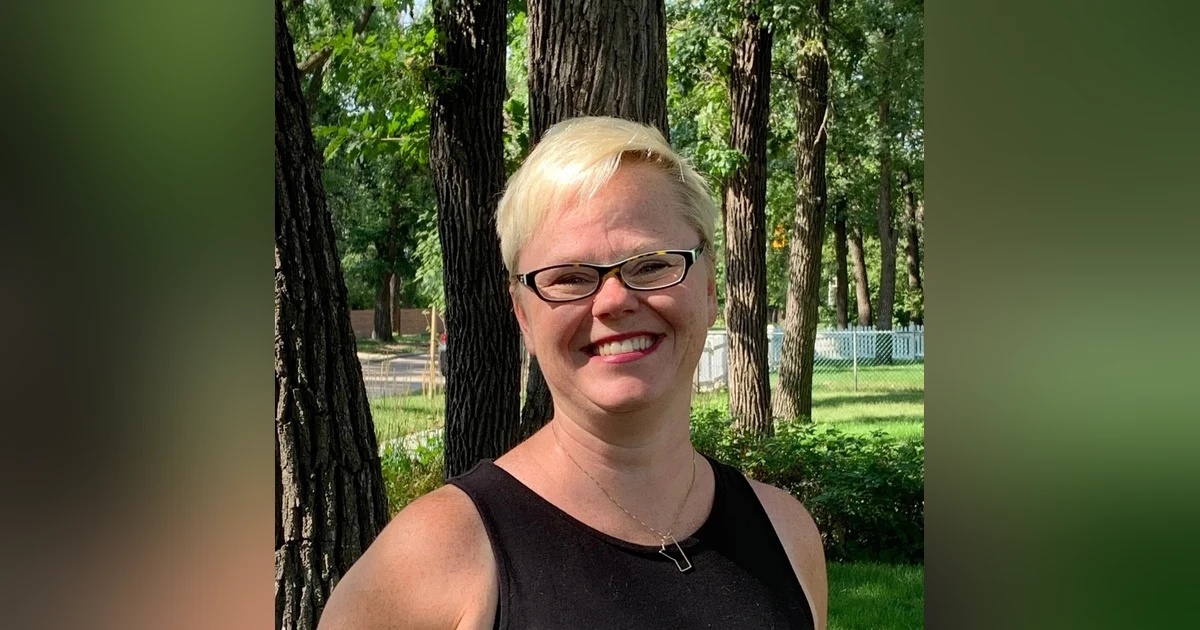
 The topic of this week’s show is BUILDING A BETTER MUSIC INDUSTRY and joining me on the show is the Executive Director of Women In Music Canada, Robyn Stewart.
Robyn is someone who is actively trying to build a better and more equitable music industry through Women In Music Canada, and we had a great discussion about how the organization not only fosters gender equality in the music industry, but it’s also there to connect and create community, AND provide support, resources and advocacy for that community. We had a great discussion about how far we’ve come, since both Robyn and I started in the music industry and how far we still need to go!
It was a really great talk and I hope you enjoy it!
FRESH CONTENT LINKS
Robyn recommends: Begonia - Fantasy Life and Nuela Charles - The Grand Hustle
Jen recommends: Kylie Minogue documentary - KYLIE
SOTW
Blush. - Seasons
Learn more about Women In Music Canada at womeninmusic.ca
Learn more about Fritz Media at fritzmedia.ca
Learn more about The FM Podcast at thefmpodcast.com
SPEAKER_00
Hello and welcome to the FM Podcast. I'm Jen Fritz and I run Fritz Media, a music publicity and digital marketing firm located in Vancouver, Canada. And this is episode number 63 of the podcast. So the topic of this week's show is building a better music industry. And joining me on the show is the executive director of Women in Music Canada, Robin Stewart. Now, Robin is someone who's actively trying to build a better and more equitable music industry through Women in Music Canada. And we had a great discussion about how the organization not only fosters gender equality in the music industry, but it's also there to connect and create community and provide support, resources, and advocacy for that community. We had a great discussion about how far we've come since both Robin and I started in the music industry and how far we still need to go. It was a really great talk, and I hope you enjoy it. Here's my conversation with Robin Stewart. Well, hello, Robin. How are you doing today?
SPEAKER_04
Hello, I'm great. It's uh summer's here.
SPEAKER_00
Oh, is it? Like you're in Winnipeg, is that right?
SPEAKER_04
Yeah. Yeah. Yeah. Is it summer there? It's been 35 for like a week and a half already.
SPEAKER_00
Are you? No, it's great. Oh my god, that's insane. It's like gross and rainy here in Vancouver. So uh lucky you, geez. Oh my gosh. It's really good to see you. I was actually before we had this uh convert or before we did this, I was trying to think about when was the last time that I saw you and I was like, well, is that some award show or some conference? I was like, I don't know which one, but something.
SPEAKER_04
Yeah. Yeah.
SPEAKER_00
I was like, it's one of those, but we actually know have known each other for a long time. Uh we go all the way back to 2010 with the uh cultural olympiad.
SPEAKER_04
Yeah, yeah.
SPEAKER_00
Remember that?
SPEAKER_04
Wow. It's been a minute, yeah.
SPEAKER_00
You were working with Alex Grigg, our good buddy. Oh man. What did you what did you do for the cultural Olympiad? I was trying to remember that too. Did you work, you worked with Alex?
SPEAKER_04
Yeah. So we did all the talent buying. Oh, that's right. Yeah, and just and oversaw that all the logistics happened, made sure everyone got there and got fed and et cetera. So yeah, he brought me in to do that. So I did all the cultural stages that were outside of the Olympics. So Whistler Village, Surrey, Richmond, Vancouver Live, etc. 12 stages.
SPEAKER_00
Oh my God.
SPEAKER_04
That was that was a crazy time. I love how everyone was like, oh, it's gonna be so crazy during the Olympics. And if you stayed in town, it really wasn't. I I it was no. Yeah.
SPEAKER_00
It it really no, it really wasn't. The funny thing is, is like right now we have uh the World Cup, like FIFA World Cup here, and I think people were anticipating that same sort of you know, fervor, but there's nobody.
SPEAKER_03
Interesting.
SPEAKER_00
It's like, all right. Oh man. To get things started here, I'm just gonna begin with a question that I like to ask all of my guests, and uh that is how did you get your start in music?
SPEAKER_04
Purely by accident, to be honest. It was uh I I started my career as a stage manager for theater productions. So um I did that for five years, and then I happened to be in Regina doing a show, and one of the board members from Prairie Music Week, which is Western Canadian Music Alliance now, reached out and said, Hey, we need some help in the office for a couple months. I just need you to like answer phones and like forward things to board members. And I said, sure, that's fine. The show's running. I can do that during the day. It's fine. And uh went in and on the first day, I uh got the deadline for getting a factor report in. And the very first thing I did in a bo in the music industry was a factor report. Oh my god. Back in the days when you had to do like triplicate paper copies of everything, and it was it was fuel by fire, and believe it or not, I stayed. But Marianne Gibson at the time was on the board and flew in, and she was with like CM CMT for a long time. And she came in and taught me all about what Factor was and how to report. And yeah, um, and I just started going through different roles starting there.
SPEAKER_00
Oh, wow. Where did you go from there? Do you like from there?
SPEAKER_04
I was volunteer coordinator for um WCMA Break It West for a year, and then I started planning the conference. Yeah. And it was seasonal for a long time. So I kept doing stage managing for a long time and then eventually became full-time event manager there. And then I came out to work on the Olympics for a few years. Right after that, I I did some contract work, some consultant work, and then uh and then left and worked in charity for a couple of years. Well, you had the you had the skills. Yeah. I really like I started working with charities on like event planning and fun development, and and uh it was huge because it was like, you know, I used to get told when events got stressed, a lot of people would say, Well, you're not saving lives, it's just an event. And this was like we were raising money for people who are literally saving lives. I was working for an air ambulance company, and it was like every like X number of dollars I brought in was saving a life. So it was just a really different value prospect. I learned so much. And so, and not just flying a helicopter, it was like a lot of really interesting skills. And then when the Olympics, or sorry, Olympics, when um when Juno's came back to Winnipeg in 2014, I got brought in to work on that for a bit and uh and realized I just missed music. And so it's that the opportunity to to direct WCMA came up and and I grabbed that.
SPEAKER_00
So amazing. I love it. So the title of this week's show is Building a Better Music Industry. And uh obviously I wanted to talk to you about this because you're the executive director of Women in Music Canada, and so you're someone who is actively actually working to build a better music industry. And, you know, I wanted to ask you when you hear that phrase building a better music industry, what does that mean to you? Like what do you think?
SPEAKER_04
You know, I mean, the first thing it it means to me is that all the people who really genuinely and passionately want to be in the music industry, whether it's musicians or industry, a better music industry is one that supports them and allows them to support them and uh and and works for the people who are working their butts off every day. Like, you know, one that just that there's a lot of pieces that just don't make sense and they and they need to. And so it's it's those things that I think. It's it's one that one that makes sense as much sense as like a teaching industry or the or accountants, right? That you can't yeah, you can do your job and not and not be stressed all the time or not be going into mental health breakdown, that you're actually like in an industry that supports you being in.
SPEAKER_00
Yeah, exactly. And you know, we're not there yet, but we are working on it. Uh for you know, from your perspective then, like what are the some of the biggest challenges that that we're facing right now, do you think, in the Canadian music industry?
SPEAKER_04
Well, I mean, I think the streaming services conversation is a big one, and I don't really have the answers there, but if I stick in my lane with respect to equity, I mean, I think the the big things are just making sure that we're supporting right from from people like considering what career to have um and and studying in university level or even high school level to look at what career they want to have, knowing that entertainment industry is viable. It is a viable career and it is for you because not to say people aren't thinking that, but the discrepancy from in in an equity is starting at that that early. Yeah. Um I started in when I started in this role, a study had they had just put a study out that was primarily Ontario based, but I think it probably reflects across the country. And they looked at people in post-secondary education programs and early career phase, and 81% of the women they asked um these questions of said that they had already experienced harassment discrimination based on gender. 81%. That was huge. Yeah. And that was only four years ago. So it's um, I guess five when they did the study. And then that same group said 67 of them, percent of them said that they were already questioning whether this was the right career for the world. Oh, wow.
SPEAKER_00
Because of I mean, I guess not shocking. Yeah, if you're if if that's what the environment you're working in, like why would you want to?
SPEAKER_04
Yeah. And I mean, you look in the like my eyes were open really quickly to the, you know, I know that certain genres are more discrepant than others, certain areas of the industry are more discrepant. You get into technical roles and production, and there's a lot less, less women in those roles.
SPEAKER_03
Yeah.
SPEAKER_04
Those are things we can really, you know, really concretely work on, and that programs like National Arts Center's global network of women and music producers is really great. Yeah. That right. And really hitting that nail on the head. And I think we are making some movement in those areas. But it's also, I mean, it's looking at that whole ecosystem. So right from presenting the industry as a safe and lucrative place for you to be right up to seeing leaders and and mid-level management who look like you. And yeah, and I'm talking women and women of color and non-binary and trans, because you're not going to come into something that doesn't look like someone like you has done it before.
SPEAKER_00
Yeah. And I mean, it wouldn't feel safe for you in in some instances, especially I think that as you mentioned, like uh in the live environment uh space, that's where I think the most work still needs to be done for for sure. I mean, both of us have have worked in the music industry for for a long time. Uh I've probably been at it longer than you. I've seen a lot of changes over the years. Um, I've faced obviously harassment, all of the things as every woman in this industry has. Um, that's no big secret. Are there any areas where you've actually seen meaningful progress, let's say, over the last like five to ten years?
SPEAKER_04
I think that uh I think one thing is even though I I I wouldn't propose to say that any of these that solutions have been like done and we're fit and fixed, I think that people are a lot more open to talk about it. Yeah. And to have those conversations. And there's definitely, you know, when I say that there's definitely still people who don't feel comfortable, but I think us as an organization has created a space where people do feel comfortable to come to us. And so we do relatively frequently get disclosures brought to us. I'm equally love that people feel comfortable to come to us, but also wish we could do more for them because we're not others. Yeah. But it's, you know, these it reminds it's a reminder that these things are still happening, but that people are are seeing others step forward and and feeling more comfortable to step forward themselves. Yeah. And and the more people do that, the the less it's gonna be accepted. Very true. The less it's gonna be brushed to the drug. Yeah, yeah. Right. And so unfortunately, there needs to be a fear that you're going that someone's gonna see what you did then before those things stop happening. But I've always lived with like, you know, don't do anything that you wouldn't be happy seeing on the front page of the paper tomorrow. But not everybody does.
SPEAKER_00
That's uh it's a good way to live your life, man.
SPEAKER_04
Like not everybody thinks of that. And it's and so I think that we're, you know, there's just more people who are who are creating themselves as safe, safe spaces to come to and and to talk to. And I think that that makes it harder for people to assume that there's anonymity.
SPEAKER_00
I mean, on that instance, just for people that maybe aren't familiar with your organization, if somebody does come to you with a disclosure, do you just provide resources? Like what is your responsibility in that action?
SPEAKER_04
It's a really good question. So we do we provide resources as we can. We're always trying to keep up on what there is. One of the big things we do though is we we just listen. We just we start by actively listening, hearing what people have to say, what they want to share, what they're looking for as a solution. Yeah. They want us to do. Because a lot of the time what I find is what they actually want us to do is listen. Yeah. And and that's a start. And it and it often gives people strength to figure out what they want to do next. Yeah. Because they come to us when they often don't even know. Or they come to us and say, I don't want anything done with this. I just want to be heard. And then a month or two down the road, they call back and say, Okay, now I want to do something. Can I get some resources? So yeah, it's it's like that. Now I will also say that we we don't have we have a big application in right now for funding to run a project on gender-based violence in the music industry. Okay. And so fingers crossed if we get that, but it's really gonna help us um with those resources and with training and and having more spaces to help people with. Yeah. But uh, but for now, yeah, we mostly listen and provide resources. That can be whether it's a mental health need or uh or or a resource of somebody who is better prepared to um in in a clinical way to help them.
SPEAKER_00
Totally. And you know, that's no small thing to to just have a space where you can be heard. I mean, that's not something that's always existed. And uh a lot of the time, um, especially when I was coming up, uh, I couldn't even complain about anything. You just had to be happy to be there. Yeah. And, you know, roll with the punches and be one of the guys, you know. We like we like you, Fritz, because you can hang with us, you know. Like I think every woman has a version of that story. You know what I mean?
SPEAKER_04
That like I know for me at the time, when you're in those conversations, in those rooms, you you just were like, you almost I I myself was thinking I'm lucky to be in this room. A hundred percent. That's why I didn't say it.
SPEAKER_00
Like, why would I say something?
SPEAKER_04
Started having these conversations that you were like, oh wait, I didn't need to put up with that. That probably wasn't the right thing to be happening at the time. But yeah, it it's funny because until we really started pinpointing, oh no, we can expect more.
SPEAKER_00
You know, progress takes time, right? And you kind of don't know. That's why I like this new generation. It's like it things kind of swing a little too far and come back. But it's like I like that they're speaking up for themselves. And I think that that is exactly where we need to be. So it is good. But it does make you think about some things you are right now. All right. I want to talk a bit about community, just because as an organization, uh, one of the things that Women in Music Canada does is help to sort of build a community infrastructure. How important do you think community building is just in creating long-term careers in music?
SPEAKER_04
I think it's, I mean, I think it's the most important. I think when I came into this role, the first thing I did was just talk to people. I spent months just making a point of having a couple calls a day and asking people what they what they wanted. I spoke with a lot of older, I shouldn't say older, more advanced people in the industry who'd been through this a long time, who were at the at or above my point, and um and asked them, what would you have liked to have when you first started? Yeah. And what would have helped you get to where you are faster or what would have made things better? And a lot of of the answers were mentorship and community, mentorship, community, and just kept coming up over and over, and even for young people. And I think mentorship was one thing that we really lost during COVID. Yeah. You know, easy-ish to easy enough to call someone up that you knew, or to have a Zoom call with someone you knew, or a group. But meeting new people was hard. And that's where you get that mentorship that you're not gonna see if you're having to be at in your own space. And so um mentorship's something we really leaned into, and that really comes into community too. And and it's funny because the community stuff often looks like the the fluff. Yeah. It looks like it looks like the parties, it looks like the dinners, you know. But I mean, last year when we were in Vancouver for Juno's and we and we hosted the the uh brunch uh at Rogue there, we had about 300 people and I had several people like women quite advanced in the music industry walking out of there saying, Robin, there were like 10 people I genuinely met here and would not have met otherwise. And that's what they were getting out of. Like that's that's important.
SPEAKER_00
That's important.
SPEAKER_04
Um, because you get to meet someone in a real, like honest way that doesn't have an agenda and doesn't have like, you know, that you haven't researched and but you're meeting them really, like for real. Yeah. And you're you're finding some connection, and then you're going, oh, hey, here's someone I want to work with. What can we do together? And then you're creating those things. And I think that's really what community is. It's, you know, it's it feels like that, you know, meeting your neighbor on the front sidewalk might be the same. Yeah, that's true. Yeah. You might then know a plumber that you need or something, right? Like, well, that's true.
SPEAKER_00
That's how, I mean, that's how, like, I mean, this is no big stick, right? This is how all industries work. But, you know, in an industry that, you know, is working on equity, but I mean, when I was coming up, there I didn't really have a lot of examples of people at the top, right? So I know it's a lot easier now, and it's nice to have those relationships so you can ask questions. How did you get to where you were you're going? Or I'm working on something and I need a publicist. Hey, I, you know, how about this person I work like met at this brunch, or you know, or just stuff like that.
SPEAKER_04
It it it all definitely I genuinely find that people in the music industry, especially those who've been in a long time, they are generous with their time and expertise. I would agree with that. Yeah. And I I think I get offers all the time from surprisingly very like high-level people saying, I would love to mentor someone. I would love to talk to someone who's a good fit. Like, and and they really want to give back and they've they've gotten to that place and known how hard it was for them getting up there. That's it. And we get that all the time.
SPEAKER_00
Yeah, it's it is, it's that question that you you asked the people that had been in the industry a long time. Like, what would you have liked to have when you started? Yeah right. And mentorship is definitely one for me that I would have really liked to have. Do you have, like, I don't know if you can share this, but uh, do you have an example of of mentorship or or support that had an impact on your own career? That is there somebody, I mean, it could be a man, it could be, you know, it doesn't necessarily have to be a woman.
SPEAKER_04
Yeah, I mean, I remember when I was working at the Olympic stuff, I came out and I had been, I had done some talent buying through WCMA at the point, but this was my first like full-time into talent buying. And not far into uh starting to put offers out and contract, I had one manager I was speaking with, or agent, sorry, I was speaking with, and we were, we had made the offer, and I was like, this is how much we have. And he was trying to negotiate the fee and he was trying to push hard. And I knew that his artist wasn't, it wasn't the right amount for the market. Yeah. And I was like, we can't come more. This is our budget, we can't go anymore. And he started yelling at me, do you know who I am? Do you know who this is? And started yelling and asked to talk to my boss.
SPEAKER_00
It was Alex Gregg.
SPEAKER_04
It was Alex Grigg. And he was my boss, but he always used to say, Don't, don't call me that. We work equal, we were, we do different, different asks and whatever. But I put him on the phone, and what he didn't, what this agent didn't know is that Alex was hearing this conversation. And he took the phone and he said, Hey, so uh this is the offer, gave him the exact number that I had given him and said, and next time you do not need to ask for anyone else. She has the answer. This is oh, love it. And that was it. Shut him up, never ask for it again. And to me, I was like, Holy crap, he's got my back. Because yeah, that hasn't hadn't always been the case. It was often the, you know, I I've had experience working with incredible women and men, even to that point. But often it was like, okay, when when you need to get the stuff done at the end, it's like the guy comes in and is like, okay, this is what it is. Like, yeah. And they're gonna listen to that more than you, and it's fine. And they might be saying the same stuff in a different way, but they're they're not gonna listen to you. And he was just like, Nope, don't do this again. Yeah.
SPEAKER_00
This is she knows the same information that I do.
SPEAKER_04
I loved it. I felt so respected in that moment, and I was just like, Yeah, I can do this. That's so great. That's a shout out to Alex Grigg.
SPEAKER_00
Uh yeah. I just saw him a couple weeks ago, actually. Oh, yeah. Yeah, yeah. Uh I was for a while. I don't get out west enough. He was, I went to see Corblund at the Hollywood. Oh, lovely. Yeah, yeah. It was a fun little night. I I loved it. I love I love me some Alex Grigg. You know that. Yeah. We all we all do. Shining example in the in this music industry. In terms of like networking, I know that that can feel like sometimes intimidating for some people, especially like younger generation. I think they have a harder time with that sort of type of socialization. Is there a way that you like encourage people to maybe think of it differently or or approach it differently?
SPEAKER_04
I like to think of it more as making friends. Yeah. Yeah, yeah. And don't go in with any like business agenda. Yes. And also remembering that people like to talk about themselves.
SPEAKER_00
That's very true. Especially in this industry, Matt.
SPEAKER_04
Yeah. You know, especially, I mean, you might go into a room where you just want to meet people, or you might go into a room where there's somebody who you who you're a bit like daunted by and you really want to meet them. And I think it's two different things. If you have a specific person you want to meet, I mean, the first time I met Denise Donlin, I was like, Yeah, I need to meet her, and I gotta figure out a whole conversation and what we're gonna connect on and do my research. And and and I think, you know, I feel like maybe it worked, but honestly, then like a year later, I ran into her with some other people I knew in the industry, and we were just like dancing at a c at a show. And it had way more impact than my research and my conversation. That's how it is though.
SPEAKER_00
I find that's the way it is for me too. Like I'll can I'll connect with somebody at an after party at a conference in someone's hotel room at like 1 a.m. And that's like that connection sustains like I've I've had it for years. You know?
SPEAKER_04
And it's and I think the business part of of networking, the business part that it goes to is gonna happen at the right time and place. Yeah. It you need to just make that personal connection in the moment. And so I like to think of like, you know, if you think of something that you're into, yeah, and then how can I connect? And yeah, and then find someone who might who might also be into that. So if you're like, if you really like shoes, like walk into the room and look for someone with killer shoes on and just go say, I love your shoes. Yeah. And then they might tell you about those shoes and they might tell you how much they love shoes. And then you can have a conversation with something that that you have a bit of knowledge on, but you also are like asking them something that doesn't require them to give anything back. You're not trying to get anything out of them right away, you're just trying to make a connection. And and then you might, you know, if they hand you a card, you might walk away and go, cool shoes. Yeah, exactly. And then and um, yeah, and just yeah, just start a conversation that has nothing to do with business. Not all people really like to talk about business at par uh networking events.
SPEAKER_00
No, I don't I don't find that they do. I feel like sometimes people will try to go in with their own little elevator pitch, and I'm just like, that is not the way to to go about it. People are here to just hang out, have a good time, meet new people for sure.
SPEAKER_04
But like you said, like Yeah, you're better to you're better to have that conversation about whatever, about like how hot the appetizers are or whatever. Yeah. And then on Monday, send a note saying, hey, it was great to like run into you at this event. Yeah. I'd love to talk about this sometime. Yeah. And then you do the business stuff. And it's it's just it's about making personal connections because and and I mean when I think about it, and I've heard this from a lot of people, the music industry is not the easiest one to get in or stay. It certainly is not. And so when I, you know, when I think back to the amount of times I've been like, I'm done, I'm out, and then thought, why did I stay? It's the people. Yeah. And it's all about the people. And there's so many people I just genuinely love in this industry. And and you know, no job is gonna be perfect every day. But if you can make those personal connections, they're gonna last forever.
SPEAKER_00
No, that's that's a hundred percent true. I mean, there's a reason why we're still here, you know. I don't some days I'm like, why? I don't, I don't really know, but there has to be a reason.
SPEAKER_04
There's publicists in oil and gas industry too, but that's not where you went.
SPEAKER_00
No, so my my mom likes to tell me that one. But uh yeah. All right, so we often hear, you know, about diversity, equity, and uh inclusion initiatives. What do you think like meaningful progress actually looks like instead of like just like the buzzwords? What would you say? Like what's progress in general? And then I know it's like I know it's slow and I and I know it takes time, but you know, maybe there's some some barriers that are still there that we could work on or that kind of thing.
SPEAKER_04
Uh no, you're right. And I mean it it starts some it starts often with checking of boxes, it starts with things that you are required to do because at some point you have to like everyone's are cre is creatures of habit. Yeah. And you have to kind of change your mindset a bit off the bat. So I get that. And and it's not necessarily something that every person and every company is going to feel they have time to look at, but it's when it's when we start, I think progress is when we start looking at the equity, diversity, inclusion, the barriers in every little piece of what we do without having to think about it separately.
SPEAKER_00
100%. That's and it starts with having to think about it. Yeah. And I mean, that's a good start. Like just like even with with my podcast, I think about the guests that I have on the show and make sure that I have a good enough balance. And you know, sometimes some seasons I do and some I don't, but I try my best to do that, right? And you know, we want to get somewhere where we don't have to think about it that way, you know.
SPEAKER_04
Train your brain to just know what what what fits. And and I think, you know, I think our our our gut reaction is really strong. And if you train yourself to be comfortable with the things that are equitable, diverse, and and inclusive, then it's just gonna feel better to do it that way. Yeah. And then you won't have to think about it as much. So, you know, with with program planning with the conference with Breakout West years ago is you know, now I'm talking years ago, but when we started talking about making sure things were equitable, equitable and split, we started going, okay, we're not gonna like do everything and then look at where our numbers are. We're gonna make sure every panel is diverse. We're gonna make sure every individual showcase is diverse. Because then when you look at the whole picture, it already is averse. Yeah. Exactly. And so then so we really had like we really thought about it that way. And now I look at things like like I recently did a job hire with with WCM or with with Women in Music, and um, when I reviewed all our applications, I noticed that we had a lot of diversity in the application. Nice. And I wanted to make sure that that was matched in the people that we were advancing for interview. And I found that I went through everything and narrowed it down to like 12 we were gonna look at more closely, and then stepped back and went, okay, what's the diverse mix of these people? And it was there. The mix was already there because as we were going through it, it was like we knew what felt right. And I tend to hire, I I tend to like to hire people who have very different experiences to me.
SPEAKER_00
But that I I think that's so important. Yeah, it's so important. Also, it's just like it's a that's important in all art, you know, full stop. But you know what I mean? But especially in your own life. That's why I have friends that are in their 20s. Because I want to I want to know what's going on. I wanna, you know.
SPEAKER_04
Like you're not gonna learn from someone who has the same experiences and knowledge as you. Yeah. And I'm just like want to keep learning. So why would I be gonna bring the same thing to the table? So you know, so if you just start, it it just I think we will get to, I think that's maybe that's it, is success is getting to a place where what feels comfortable is diverse, inclusive, and and doesn't feel like just checking a box, you know.
SPEAKER_00
Yeah, but we have to do this, you know.
SPEAKER_04
Yeah. So you can go back and go, okay, fine, this funder wants us to check boxes, but you know that you're going to be able to do it because everything's felt right and it's gotten to that place.
SPEAKER_00
I I like that. That that was very insightful. I enjoyed that. So at Women in Music Canada, are there like maybe uh some sort of like programs and and initiatives that you're excited about, like stuff that you're working on right now that you're you're really excited about right now?
SPEAKER_04
I touched on the one we're hoping to do with with gender-based violence, but and what we're doing right now, so we've just brought on a new heart that's going to be working with our membership and revamping our membership, uh, our premium membership benefits. So is something we did three years ago. We've kind of been updating it as we go along, but they're gonna do a whole like, let's see what people really want, let's assess how people feel about it. So I'm excited to take a step back this summer and really dive into that and make sure that we're meeting the needs of our members as well as we can. Program-wise, our entrepreneur accelerator is always so exciting to get new and young people in. Yeah. And we'll be coming in this coming into January with the fourth year of our leadership accelerator, which we brought RBC Bank on this year to support it, and they were so excited to do it, and it's now like just so it's it's more it's solid now that program's in set. And it's really developing who's gonna be the next leaders of the industry, which is so exciting. That is exciting. I like those my favorites right now. In March, we did the summit as a global summit for the first time, which was really exciting, and working more with our with our network across the world. And I think that provides some really great export opportunities that'll come down the road as well.
SPEAKER_00
So totally you have to build and then get that infrastructure in place to get there. But yeah, I mean, there's lots of great, you know, women in music groups globally. Yeah. I went to a I went to a conference like in 2019, the She Said So conference in in Portugal, because I was like, well, they're having one. I was like so excited to like be at a music conference with like all women. And uh there should be like more of those those things. Yeah, they do great work as well. Definitely. We you know, but uh like we've touched on this, but we do have to like always like to say this like uh as an older woman, as a Gen Xer in this music industry, uh it's important to to think about, you know, raising up not just like white white ladies and I I you know, and also like just a cisgender hetero white lady, like that's not the goal. There's a lot of equity though.
SPEAKER_04
Well, a hundred percent. And this is just it. When I got into this role, I was like, okay, if you take like the general uh organizations out of the picture and it's now just women, I'm the mo I'm the least intersectional of them. Yeah. And so so that was part of that was a big part of why I started by just talking to people. Yeah. And and recognizing that I don't have the all the uh all the experiences of being a woman in the music industry because that could be it, you know, two spirit transgender women, it could be black women, Hispanic, indigenous, etc. And it's there's all different things that come with that. New Canadians.
SPEAKER_00
Yeah, exactly.
SPEAKER_04
Yeah, that's such a growing piece. We just did our leadership accelerator this year, and uh two of the women in it were new Canadians. Now they weren't starting at our entrepreneur, they were starting in leadership because they were very skilled in the where they came from, like where they where they grew up and built their career, and they were new to Canada, and and that was you know, that was the place and they were so amazing to have in this program and to learn from wow, yeah.
SPEAKER_00
What a great knowledge base to bring into it as well. And like to hear about those experiences.
SPEAKER_04
Yeah, we're seeing a lot more new Canadians in in our program applications and in our memberships and just reaching out about like how can I meet people. And that's and that's such a big piece too, because a lot of when you know when you're I'm what I'm finding is a lot of women who come to as new Canadians are often coming as single parents too. Right. And that's challenging. Yeah, yeah, yeah. Because their their partner's still still back home or something like that. Oh wow.
SPEAKER_00
Well, so many things to think about. Okay, so wrapping things up a bit here, if we had this conversation again like five years from now, what would you hope has changed in the Okay, so I would hope that imposter syndrome has gone down. Oh, cheers to that. Yeah, that's huge.
SPEAKER_04
But I think that society has given us all imposter syndrome. I agree. And I think that you know, seeing new people coming up without that massive imposter syndrome because it's a barrier. I have it myself. Yeah, I think if that is reduced, that's huge. Yeah. I think that if we look at the scope of the company leaders in the music industry, and I'm not talking about like like independent entrepreneurs, solopreneurs, but like the big companies, that they are equitable and also like intersectionally equitable. Yes, then that is success. Yeah. I agree. And I would also say that I, you know, I think there's a certain success in like getting to a place where cisgender white men don't feel that this is an attack on their Yeah.
SPEAKER_00
I I mean it's that I think is the the biggest barrier for in my perspective. I think that it's better. Yeah, for sure. But it's like you said, you have to become grow okay with being uncomfortable in in it and not no one's mad at you. We're not mad at all men. We're just like saying that we live in a patriarchy and this is all and it affects everybody.
SPEAKER_04
And and there are tons of allies. I'm not I'm not this isn't a a criticism.
SPEAKER_00
No, um no, no, no.
SPEAKER_04
The one step to being a good ally is recognizing that none of the movements to equity, diversity, inclusion are an attack on your privilege. No, they're actually an opportunity to all learn together and and all be better uh for for this mix. So yeah, I think that needs to change as well.
SPEAKER_00
Agreed. Yeah, I I would agree. I think you know, I have hope. I have to have hope that we'll get there. And those that can't adjust, maybe they'll fall by the wayside. But, you know, that's really a dream. But but I think if more men do adopt, like adapt, I mean, if more men adapt, I think that there's just gonna be no no no choice. Because there are uh a lot of men in this industry that are wonderful allies, uh, like you said. Yeah.
SPEAKER_04
So I you know, I have two little boys and I want them to be able to do whatever they want to do and not and and and you know, they're going to be sis white men. And they're that's that's what it's looking like. And so it's uh, you know, I want them to also feel like they can they can support their colleagues, they can uplift each other, and they can also succeed in what they want to do.
SPEAKER_00
One day, one day, right? Oh man. All right, well, now seems like a really good time to to head on over to our fresh content segment. Every week on the show, we discuss our favorite piece of music content for the week, and we always like to start with the guest. So, Robin, what do you got for us?
unknown
Okay.
SPEAKER_04
Well, so I I was I was telling you earlier, I just did my my jury for uh WCMA and Breakout West, and I have been in love with the new begonia album. It's not that new anymore. So good though. I've listened to it so many times. I love it, but I was so torn when I started doing the jury, and the category that she's in is also Noella Charles, and it's also Leith, uh like Leith Clark. Like there are so many incredible acts in there. So so now I've been now I've been listening to Nuella nonstop. And um Nuella's so great. So great. And I'm not I don't have it on top off the top of my head, but pretty much everything in the global category was blew my mind, like and is so different from each other, which was wild and hard, but um yeah, it's uh but yes, Nuella and uh and and yeah, I yeah, I'm a big fan of both of those uh people for sure.
SPEAKER_00
I'm really excited for Saya Gray's new album to come out this year. Oh yes, that is one to look forward to as well. That's a yeah, we got lots of great music in Canada right now. Oh yeah, yeah, so good. Lots of great women and music in Canada. All right, so my fresh content for the week, it's uh a music documentary, which is one of my favorite things. I will watch a music documentary about anybody, like anyone, I will always watch it. But there's a new one that's on Netflix. It's the new three-part Kylie Minogue documentary. It's just called Kylie. And it is so good. It's a it's really good. Like if you don't know much about her career, yeah, she was treated horribly at the beginning of her career, um, particularly by the the press in the UK. And she really went through it, and it really goes into like she was with uh Michael Hutchins from In Excess and who I love, he's like a legend. R. Ip. But uh, there's like just lots of really good stuff and a lot of stuff I didn't know about her, and um, it's uh it's a good little watch. So uh check it out. I will uh link to that documentary as well as uh Robin's fresh content picks in the show notes, and that'll do it for us. Thank you so much for joining me, Robin. I really appreciate it. Thank you, Jen. If people want to find out more about Women in Music Canada, where can they go? How can they do that? They can go to womeninmusic.ca. Amazing. That's easy. Well, have a good day. Bye. Bye. Well, I really enjoyed that conversation. It was fun. Thanks again to Robin for coming on the show. Thanks so much for listening to the FM Podcast. If you like the show, please tell your friends and give us a five-star rating and review in Apple Podcasts. And you can also help us out by telling a friend about the show, or you can post about it on your socials, whatever you can do to get the word out. We always appreciate it. The FM Podcast is produced by me, Jen Fritz for Fritz Media, with production assistance from Carla J. If you'd like to learn more about Fritz Media, go to our website, Fritzmedia.ca, and if you'd like to learn more about the podcast, go to thefmpodcast.com. A big thank you to said the whale for providing the theme music for the show. Okay, so we're gonna go on with our song of the week this week. This is a great one from Victoria-based indie rock band Blush. This is season. Bye. See you next Tuesday.
