
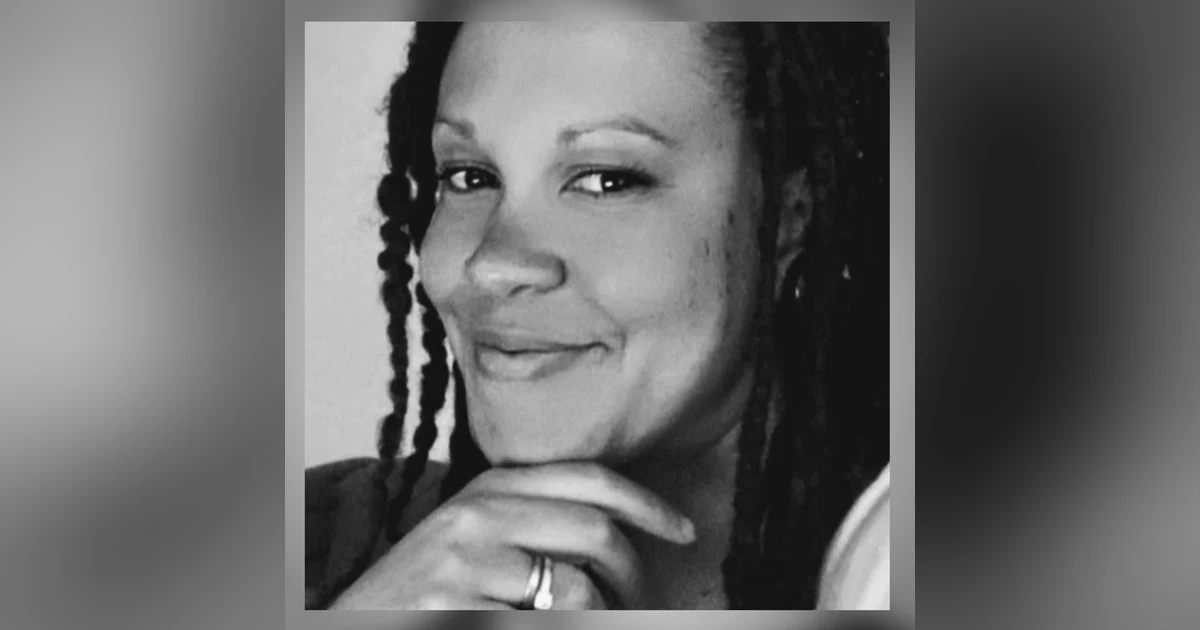
65. Building Buzz In 2026 with Mavis Harris

 Apple Podcasts
 Spotify
 iHeartRadio
 Amazon Music
 YouTube
 RSS Feed
 The topic of this week’s show is BUILDING BUZZ IN 2026 and joining me on the show is Mavis Harris who runs Nice Marmot PR, a Canadian based music publicity company based in British Columbia - like me!
Mavis and I had a great conversation about how much the music industry has changed since we both started AND how hard it is for artists to get attention in an increasingly crowded market, the relationship between publicity, social media, and content creation, the role of storytelling in music marketing, and much more!
It was a really great talk and I hope you enjoy it!
FRESH CONTENT LINKS
Mavis recommends: Corona - Rhythm of the Night and Dan Deacon - When I Was Done Dying
Jen recommends: Future Islands' new rarities and B-sides compilation album, From a Hole in the Floor to a Fountain of Youth, especially the single "Find Love"
SOTW
Ché Aimee Dorval - Feel Something
Learn more about Fritz Media at fritzmedia.ca
Learn more about The FM Podcast at thefmpodcast.com
Hello, and welcome to the FM Podcast. I'm Jen Fritz and I run Fritz Media, a music publicity and digital marketing firm located in Vancouver, Canada. And this is episode number 65 of the podcast. So the topic of this week's show is Building Buzz in 2026. And joining me on the show is Mavis Harris, who runs Nice Marmot PR, which is a Canadian-based music publicity company based right here in British Columbia, just like me. Mavis and I had a great conversation about how much the music industry has changed since we both started and how hard it is for artists to get attention these days, the relationship between publicity, social media, and content creation, and the role of storytelling in music marketing these days, and so much more. It was a really great talk, and I hope you enjoy it. Here's my conversation with Mavis Harris.
SPEAKER_01Well, hello, Mavis. How are you doing today? I'm so good. It's so nice to see you. I feel like you're a person that I've like obviously heard great things about all the time, and we've probably crossed past ages ago, but I've never actually spent quality time with. So it's so awesome to see you.
SPEAKER_02100%. I was like thinking about it before uh I was uh getting ready, you know, to get on this call. And I'm like, have I made or no? I was I was like, I don't, I don't think so. But yeah, same. Likewise. Obviously, when we uh when you work in the same field, you you hear about the other people that are in it. And I too have heard nothing but good things about you. And we are both in beautiful British Columbia as well.
SPEAKER_01Oh nice. And you must feel this to be in the same time zone, so many times dealing with the EST. So it's like it's a dream.
SPEAKER_02I can say happy lunch to you right now. And it works. It's such a it is such a dream. I I appreciate it. Although we are in the worst time zone for what we do. So a thousand percent.
SPEAKER_01Although the ending of emails at two in the afternoon makes my day. Oh, so good. See you later. Bye.
SPEAKER_00EST shut off. Love it. Yeah.
SPEAKER_02So yeah, it's it's only when I have to get up really early that I'm like, what am I doing? What am I doing? Well, next time I'm in Vancouver, we will have a drink. Oh, I would love that. Oh, I would love that. See, listen, make the podcast is here for me to meet people, make friends. We're we're already doing it. I I love it. A thousand percent. All right, so to get things started here, I'm gonna begin with the question that I I like to ask all of my guests. And that is, how did you get your start in music?
SPEAKER_01Um, okay, I'll give you the fast version. Um I'm a big political person. I've always loved politics. And I remember I went to university for it, and I had this aha moment where I'm like, there'll never be a black president. I don't and then of course, um There was, but I decided, you know what, I'm done. I don't want to do politics. And then so I had this aha moment. I was reading like a people magazine, and it was the rep said no comment. And I was like, Who's the rep? For I could do that for musicians, like I could be, for lack of a better term, a politician for musicians. Like exactly, come on. So um, music is also, I just love it so much. I just don't think I could be ever drunk enough to perform it for people. Um, so I was like, yes, that's what I'm gonna do. And so I got into it. I started at Maple Music as uh the second publicist title. Oh, back in back in the day. Yeah. And then went to Universal and then moved to BC and set up Nice Marmot. Nice, it's smart.
SPEAKER_02You're like, I'm getting out of here. Are you from Ontario? Are you from Toronto? From Hawaii. Oh originally.
SPEAKER_01Oh my gosh. Yeah, crazy. Very cool. Except I don't think I was meant for it. So like I just love cold weather. I love it. The rest of my family cries in winter, but I'm like, come to life. Yeah, it was literally Hawaii, California, Toronto. Oh, amazing.
SPEAKER_02Okay, so the title of this week's show is Building Buzz in 2026. And uh wanted to talk to you because, like me, you are a music publicist and you're my competition, but that's okay. I don't really care. I don't know. I've I've let's fucking go. I know. I don't I don't care. I've uh uh interviewed other publicists on this podcast before. I never see it that way anyway. Like I kind of like having camaraderie and you know, talk and shop and you know, just seeing what's working and and that sort of thing. So I I don't I don't ever see it that way. But obviously wanted to talk to you because you are somebody like me that also understands the current landscape of uh music promo, which is, you know, crazy and changing all the time. All the time. And from your perspective, like what does it take to get people paying attention to music in today's landscape?
SPEAKER_01There's so many things, as you know, like so many little facets. But I think one of them is, and I know we hear it all the time, but like the story, the narrative. And I think nowadays it has to be something that is really special. It can't be, I found myself or I did this. Like that's awesome. But yeah, a lot of other musicians are doing that too, right? In terms of like the same background story. And I think a lot of people discount what's unique and fascinating in their lives or what drove them creatively. So I always tell my artists for that to like tap into your story and what you want to get out there, just do almost like stream of consciousness writing because things that you might not notice that are amazingly fascinating are going to be to us as the publicist, to media. Like we'll be able to find that. Yeah, yeah, yeah. And I feel like too, I think artists need to hone in on community a lot more. I would agree with that, yes. Yeah. Especially the media in their regional landscape. Yeah. A lot of times, and I get it, people want to just go from like A to Z. They want to be like, I started a band always and now I'm on stereo gum. It's so easy. It's no problem. Um, and especially in these days where there's so much music, yeah, people are neglecting that base. And I feel like that's the greatest starting point. It almost goes back to the classical way of building buzz. If you have your city backing you, yeah, it's just the natural stepping stone to national and international. I mean, especially if you're talking about like look at cities like Montreal or that already have like that kind of built-in buzzy base anyway. Totally. Get in with those folks, like hang out with the record shop owners, become friendly with like the local CBC, campus radio, like seek that out. And I'm still blown away when I'm talking to new artists that I'm gonna potentially work with that don't want to do that. There's like a weird shame, and like, ooh, I've got to embrace my hometown stuff. And I'm like, yes, it's amazing. Because I think other media pays attention too.
SPEAKER_02So no, that's that's true. I mean, it's like if you can't get the hometown on side, then you know, it's gonna be a lot harder to to get everyone else. And again, yeah, you have to make those relationships for them to like continue giving a shit about your career too. Totally. Like get them on the ground floor. Like, you know, someone like Stuart Durden at the Vancouver Sun loves to champion artists in that way. Thousand percent.
SPEAKER_01It's the it's the best foundation to build up. Yeah. And I think for our sakes too, doing that kind of initial work or, you know, at least being open to it helps with us on the PR side. Because I think the miscommunication, too, in terms of music and publicity, is that a lot of people think that we build the buzz. And like we don't build the buzz, we amplify the buzz. Yes. So that stuff is happening, good things are happening, and we just make sure that the messaging is louder.
SPEAKER_02Yeah. And it's also up to the artist to help you amplify that buzz as as well. Like, I think a lot of people, I don't know if you see this too. A lot of artists just think I hire a publicist, I can sit back and that's it. I'm I'm good. But no, you've got to be like on your socials, you have to be sharing content that I'm sending you if I get you a great playlist or if I get you something in stereo gum or whatever. And you also have to have content that you're posting as well, just about the release of your music.
SPEAKER_01And I think too, when it comes to content posting, I it's so good. I always tell like artists that I'm working with too to mix it up, right? Like people want to see, you know, like more personal stuff. You walking your dog, you chilling out on the beach. They also don't want perfection. So I find like building that buzz, it's like showcasing like, oops, I fucked up there. This is a mistake. Yes. What about this rough demo? What do you think of this? Because that builds that that thing of, you know, I know this person. They're sharing something intimate with me. They're showing me how they fucked up, they're showing me their joys. And I know it can feel a bit much and you know, like opening yourself up that way. But I feel like, say lovey.
SPEAKER_02Well, I mean, like, that's the job of a musician in 2026, unfortunately. I mean, if this is the path you're choosing, doing, you know, front-facing camera work is part of that job. And unfortunately, I'm sorry to tell you it, but it is. I mean, I that's just the way it is.
SPEAKER_01It really is. And I think too the one bonus, at least about being vulnerable, is that long form as we are doing today is back, right? And so it doesn't have to feel so like here's like a TikTok three-second hit of whatever, right? Yeah. You can get on there and set up your a podcast or even like get your writing out, do some sub stacking, what, whatever. But you have the opportunity to do a deep dive into your creative process, into just you as a person, into your music. Yeah. So I think there's ways that people can create content, but not make it feel like it's kind of just there for shits and giggles and shows and just trying to that content machine, like they can make it feel a bit more substantial. And I think that builds buzz too.
SPEAKER_02Um No, it really does. It also helps you build your audience and and your fan base, right? I mean, if people feel like they're connecting with you and if they feel like they're part of your life, you know, even if it's just like a daily dog walk or something, it's like you feel like it's like, you know, when you listen to a podcast and you feel like you know that person because you listen to it all the time.
SPEAKER_01Like it's just I call the last podcast on my left my boys. They're my boys, and I'm listening to my boys.
SPEAKER_02That's that was what I was like with Mark Marin. I feel like he he was my bestie and he's gone now. So my life has my life has no purpose. I know. It's okay though. It's fine. I'll uh I'll recover.
unknownFor real.
SPEAKER_02You you've been around uh for a while in the music industry, as I have. We are, you know, you know, encountering the industry veterans stage. You know, but that's great. With that comes great knowledge. True. What do you think is the biggest change that you've seen in music publicity since you first started working in the industry?
SPEAKER_01Who the biggest change I would have to say is oh, there's many. Um, the focus on streaming, seeing that and it maybe this is the veteran mind, but I'm like, it's not helping your pockets and it's not it's overwhelming for people, especially when it's an emerging artist trying to get more folks that. But then I think it is also what we touched on of like content creation. I mean, you need to get that backstage footage, you need to get just at home footage, you need to get studio footage, you need to get like and different variations of your song. Do it acoustically, do it here, do it in this different venue. It's just it's it's a lot. And I do feel for the artists.
SPEAKER_02I mean, it's oh same. I I do too. It's like it's overwhelming.
SPEAKER_01It's overwhelming. And I think too the the lack of media, right? Yeah. Is really hard. I mean, you remember back in the day, every city had an alternative, weekly or monthly, like, oh my gosh, it was so fun. So that's gone. Yeah. Um, competition is fierce. Yeah. So even looking at a national level, everybody wants the same things, which is hard. Everyone wants cute, everyone wants exclaim, yeah. Everyone wants range. But not only in Canada. We're now dealing with everyone wanting that in America. For us, if the when they are reaching out for you know coverage, the UK. So I feel it's harder even for Canadian artists to get hurt, but the competition is nuts. That's so hard. And I think lead lead times have blown my mind. Oh.
SPEAKER_02Like, yeah, it's like, especially like, even I know I just mentioned Stuart Durding, but I'm gonna give him another shout out. But it's just like Stuart, anytime I pitch him, he's always like, yeah, like even two months sometimes is I wasn't, you know, I didn't have enough lead time. And that has changed substantially, you know. Like, whereas in the olden times, I could just call him up and be like, hey, you know, I've got this show this week. Can you do me a little write-up? Those days gone.
SPEAKER_01Hey, in seven months, can you make use of it? By the way, I have a uh if you don't mind me going, but like uh in terms of competition. Yeah. So I went to uh Tree Fort like two years in a row in Boise. I loved it. Then America, America, and I'm not doing America anymore. Um fair, that's fair. But I was talking to some people who I'm not gonna name names, but like big like blogs. And I was being cheeky and I was like, Can I just see your inbox, please? And I am not being facetious. One of them had 14 and a half thousand emails. The longest they can go without getting an email ding on their phone was 40 seconds. So they gave themselves three hours a week to listen to music, and they would just go, okay, I recognize like Jen Fritz's name, I recognize this, and then listen to those things. And they're like, the problem is the amount of music is so good. It's all good. Yeah. Um, he's like, it's rare that it's exceptional and shitty, but like 98% is amazing. So it's like, how do you get out of that? Like, and that blew my mind. And I now I everybody I talk to, I say that. I'm like, don't be down on yourself. Like it's it's a lot, and you need the time.
SPEAKER_02You're up against so many, and you know, it doesn't like that's a good example of it. Doesn't have anything to do with you. You know what I mean? Like it's a lot of the times it's timing. It's like the blogger just happened to open up the email because he was sitting at his desk the the moment I sent it. Otherwise, it might get buried with everything else. There's just so many factors, right?
SPEAKER_01Like and then I find with the name rec, you know, with emerging artists, I let them know too, like there has to be time for name recognition. Yeah. Like you've done the first step of getting a publicist, but now they've got to get used to your name because it's as you said, like the amount out there is crazy. So if the story is amazing and you've really done your work with like building your base regionally, if not nationally, and you're getting out there and everything is so to speak on track, then now you need time for the media to catch up. Yeah. When they do, it will be great, but it's not gonna be instantaneous. Um. And I've I've learned too, like even back in the day, I'm like, give it a month. I'm like, a month. What was I thinking? Yeah. Um, it's it's gonna take a lot of time. And I think artists need to be patient.
SPEAKER_02Yeah.
SPEAKER_01And they also stop comparing. Comparing has been like the death knell for people like.
SPEAKER_02Oh, I have that all the time with my artists. I feel like I'm their mom sometimes because I'm just like, you can't do that. You have to focus on what's in front of you. And also like, focus on what you did get as opposed to what you didn't get. Like, that's the biggest thing. Like, sorry, we didn't get exclaimed, but look at all of these other incredible things we got, you know? Oh, it's but it's they can only see what they didn't get.
SPEAKER_01A human mind, you know? It really is. And like, I think too, that's a perfect point when you say, like, what you got, like, enjoy that and relish that. Because even when you look at things like when people are very focused on streaming, for example, I I personally believe that like a thousand super fans are better than a hundred thousand streams. Because a hundred thousand streams you can have a longer career with that. And they're guaranteed they will be there. So just build on the good things. Yeah, like it will, it will come. It just it takes time.
SPEAKER_02And that's the they that's I just deal with that all the time. I think I would say, especially in the last couple years, where there's no patience for it anymore. And, you know, because I even if we like do one campaign, you release an album, and then you know, we're building, we're building, as you said, up to a thing. I always said all of that work that we've done, even though it didn't give us the results. When we go to promote the second album, we've done that work already. And and that doesn't mean just you didn't see the results. There was still, we're laying the garden, you know what I mean? So you have to do that work, unfortunately. I mean, unfortunately, you're not in Rolling Stone the first day out, you know. Wouldn't that be amazing? Um it would be.
SPEAKER_01But you you're you're totally, totally right there, because it is that it could be for whatever reason what journalists or radio or editors, what have you, couldn't get around to it. And they liked the first outing, they recognize the name, time comes for second or third. Yeah. In like Flynn, right? Yeah. So yeah.
SPEAKER_02And I mean, we often get that too as feedback. Like, you know, I just don't have the time this time around, but you know, come back when when there's something new. And uh that's always encouraging as well to get that. So encouraging. Yeah, I know it's so hard out there, man. As we've been talking about artists, um, often think publicity means getting reviews and and you know, interviews. Uh, but you know, as industry that turns, we've seen the role of a publicist uh evolve a lot over the years. How would you, I know this is kind of a hard question, but how would you define music publicity in 2026? Oh my gosh. I know it's a tough one.
SPEAKER_01I feel like it's almost an amalgamation of all of it. Like there's an aspect that is management, there's an aspect that is kind of helping shape the brand. Sometimes there's an aspect of helping book shows or giving them ideas. Yeah. Or getting them in touch with stink and licensing people. Yes. Like almost co-managering it a bit. Yeah, I or like project manager. Project managing. Yes, thank you. Yeah. I have not had enough coffee. I've had way too much, so we're good. That's totally it. And I think it's because, and and rightly so, we are in touch. Our pot, like our fingers are in the pice of everybody else's business. Yes. So we're kind of the one-stop shop of like, oh, you could get me in touch with this person, not only on a media level, but how about this this film director if I want to do a video or I want to do this? And I think that is, it's a lot of that. And I'm trying to keep it to just media stuff. And I'm happily, you know, I'll happily share contacts that I have. I don't, because I don't want to be a manager.
SPEAKER_02No. No, that honestly, that's number two uh under booking agent for jobs I do not want in this industry.
SPEAKER_01It's like a thing. One that I actively shut down is like, will you manage my socials? No. Like that's a thing, that's a job.
SPEAKER_02That's that's a job. I mean, I do some strategy, like social strategy and and planning, but I don't take them over. I help them like create the schedule. Yeah. Because it has to come from their voice, right? So it does. Yeah. I think anybody that you know wants to just like hire somebody to do it, it's you have to, it has to be a collaboration with that person. You can yeah.
SPEAKER_01Oh, you know, yeah. Segway. That was that's what I find too. Let's go. Really awesome buzz building for artists is just a natural collab. Because that alone it creates a story. You're bouncing off that other person's or group's thing. Yeah. It's just awesome. So, like if people can collab with it, doesn't have to be a musician either. No, uh it could be a clothing brand, it could be a beer, whatever. Yeah. Huge, huge.
SPEAKER_02It definitely is. So looking ahead, what what trends or shifts do you think artists should be paying attention to as they uh promote their music maybe over the next few years? Are there things they should be thinking about, maybe? Anything that you've maybe seen artists doing that, you know, made you take note? It's like it's like the Wild West out there. So I know.
SPEAKER_01So what that's the hardest question anyone knows.
SPEAKER_00I know. I'm like, maybe she's got some ideas. Let me see if she has some ideas. Because I don't.
SPEAKER_01I would say, and this is maybe like offside, but because of the time we're living in, if people are feeling protesty music-y and really wanting to get their political stance out there, I say do it.
SPEAKER_02Thank you. Thank you, Mavis. I could use some more. Yes. At least I hear some of you doing it. Not nearly enough though. Oh.
SPEAKER_01Just want to say and feel cool to talk about it. It's not gonna overshadow the your music at all. No. You can talk about your your process, about your art. But you can also be like, yo, that will help, you know, on a fully superficial level, that will help build a super fan too. It will.
SPEAKER_02I mean, honestly, a good example of somebody who's done that in the last year is Dan Mangan. Yes. Um, he was never somebody who spoke about politics. In the last year, started doing it because it's something he truly cares about and, you know, was like, I gotta do something. I have this platform, I can educate people. So I and you know, made more fans because of it. Oh, yeah. It's it's it's incredible. And I think as long as you like if you have your your morals and your beliefs, like your political beliefs, and that's something that's true to your core, then that's part of you and your music, you know?
SPEAKER_01So a thousand percent. Yeah, why not show it? And like not to be Debbie Danner, I don't think it's gonna necessarily get any better. No, it's not.
SPEAKER_02So you know what? Now's the time. Get in on the ground floor, people.
SPEAKER_01Go on. And I think I think I think it's smart to align yourself, like no matter what your belief is, align yourself with people like that too. Yeah, like-minded, yeah, it's gonna amplify all your stuff because it's it is something that people quickly get passionate about, right?
SPEAKER_02They do, and I mean the people that don't, I mean, it's always like well, I don't want to lose it, and you know, I I don't, I don't, it's gonna lose me business. And you go like, and I'm like, okay, I mean, I know I'm in a privileged position because I run my own business and I give zero fucks because that's just a person I've always been. And have I suffered, you know, from it for sure, but I don't want to do business with those people anyway.
SPEAKER_01So a thousand percent, yeah.
SPEAKER_02That's that's it. It really like clears the the people you don't want in there anyway.
SPEAKER_01So people know, right? Yeah, and I think it's yeah, I think that's the way to go. Just be like be loud and outspoken, not only about your music, but anything else that you're super passionate about. Like get out, yeah.
SPEAKER_02Just be yourself, and that shines through, right? The authenticity. I agree. Yes, we're drinking in Vancouver totally. We're so drinking in Vancouver. It's the greatest interview I've done this season. I love it. Okay, so wrapping things up just a bit here, uh, I wanted to, you know, kind of close things out with a bit of a fun question. What is one piece of publicity advice you wish every artist understood before releasing new music? Having a publicist does not guarantee that you will get pressed.
SPEAKER_01Thank you. Clip it. Yeah. Clip that one. I think it's assumed. And I think because publicists ever literally ever since Sex in the City. Thank you for ruining us. Uh but like as like, oh, I have a publicist, hence things will just land. Yeah. There is I'm like, we're not advertising. No, I can't yeah, like it no.
SPEAKER_02So I can I can ask them if they I can pitch them in a great way, and I can ask them if they would like to listen to your music and perhaps write about it. Yeah. But that's that's what you're paying for. That service, the service of me doing that is what you are paying for.
SPEAKER_01Yes, we have those connections. We've built as you said, since we're veterans, we have built those years of relationships. You know?
SPEAKER_02Oh, thank you. Preaching to the choir here, man. I'm gonna love it. Oh man. All right, so now's the time uh to head on over to our fresh content segment. Every week on the show, we discuss our favorite piece of music content for the week. And we always like to start with the guest. So, Mavis, what have you got for us?
SPEAKER_01This is gonna age me. Okay. So, you know the corona song Rhythm of the Night? Like, this is the rhythm of the night. Okay, that is stuck in my head because I'm obsessed with that show, Widow's Bay. Oh my god, that that episode, dude, that episode Christmas party. My god. I since I've seen that episode, it's just like rhythm of the night, non-stop.
SPEAKER_00That episode was bonkers. Also, everybody listen, watch Widow's Bay. So good. So good.
SPEAKER_01Holy so yeah, it's just I can't turn it off. I'm like, why? Like, even when it came out, it wasn't such an earworm for me, but like maybe you know, some things hit you later, you know?
SPEAKER_02That's how it is. It's gonna hit you in.
SPEAKER_01It's so good. And I don't know if it's I'm gonna I I go through phases, so it's like of watching things and then not. So it's like that, and then I watched his documentary, The Dark Wizard, which what was what was that about? Insane. It's about a climber uh and he I'm gonna ruin it. He dies. Uh it is insane. Spoiler alert. There's a song in the Dan Deacons, I wrote it down, When I Was Done Dying, that song is the theme for the documentary. Oh my god. And it is another one where you're just like, wow, like that's it's gonna stay with me for a while. So it's like the heavy and then we've got we've got the real life, Sunset Goddess, and then death.
SPEAKER_02It's great. It's great. Thank you. I will I will check out both of those. Okay, so my fresh content for the week is uh the band Future Islands. They have uh a brand new album out. It's uh B-Sides and Rarities album. And you know, I'm a huge fan of Future Island, but uh I'm not like one of those crazy super fans, so I don't actually I didn't do the work to find out where these songs came from. I just assume, I just assume they just didn't make it on the album. I don't I don't really know. But it's such a good album. Like the songs are incredible. If you like the band, you'll love the album. And uh they released a couple of singles ahead of time, and they are as good as any like normal future islands single. Like, particularly, there's two songs I really like. What are they called? One of them is Find Love, and then the other one is Sail. Find Love in particular, you know when you just become obsessed with a song. And I also find my future islands because they're so weird that uh, well, he uh the lead singer is like, yeah, like sometimes it takes me one listen to their song. Like the first listen, I'm like, this is garbage. I don't understand what they're doing. And then the second listen, I'm like, oh my god, they have the you know, all of the secrets of the universe are in this song. You know, I don't know.
SPEAKER_01You know, I'm gonna go listen right now.
SPEAKER_02Find love, future islands. You you definitely should check it out. So I will link to that full album in the show notes as well as to Mavis's fresh content. And that is it. Thank you so much. That was such a delight. Thank you so much for joining me. If people out there want to find you on the internet, how can they do that?
SPEAKER_01Just nicemarmotpr.com. It's the best way. All right. I'm always on email too. So just go on there, click on my email address. I'll see it. Yeah. And she'll respond to you.
unknownYes.
SPEAKER_01All right.
SPEAKER_02Well, have a good rest of your day. Thanks.
SPEAKER_01You too. It was so awesome talking to you.
unknownBye.
SPEAKER_02Bye. Well, that was such a fun conversation. I really enjoyed it. And uh thanks again to Mavis for coming on the show. Thanks so much for listening to the FM Podcast. If you like the show, please tell your friends and give us a five-star rating and review in Apple Podcasts. You can also help us out by just telling a friend about the podcast or, you know, just posting a clip on your socials. Whatever you can do, we'd really appreciate it. The FM Podcast is produced by me, Jen Fritz for Fritz Media, with production assistance from Carla J. If you want to learn more about Fritz Media, just go to our website, Fritzmedia.ca, and to learn more about the podcast, go to the FM Podcast.com. A big thank you to said the whale for providing the theme music for the show. Okay, so we're gonna go out with our song of the week this week, and this one is from Vancouver musician Che Amy Dorvell, and it's her latest single called Feel Something Wait's time I feel something.
SPEAKER_03Oh no, I know I should feel something When I'm steady, I'll go along. I'll be here in the Sad Crow bring in the house. I'm not working the streets, it's not space anymore. I'm not bringing them back to my face.
SPEAKER_02See you next Tuesday.
