
64. Creative Cross Pollination with Peet Massé

 Apple Podcasts
 Spotify
 iHeartRadio
 Amazon Music
 YouTube
 RSS Feed
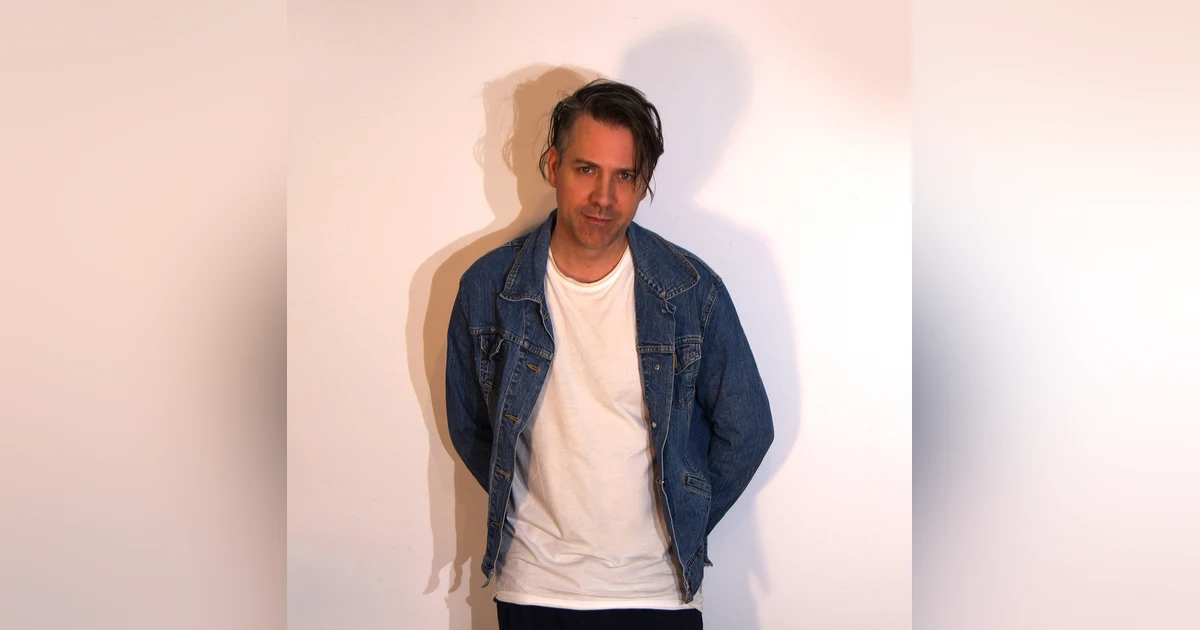
 The topic of this week’s show is CREATIVE CROSS POLLINATION and joining me on the show is the the artist behind Montreal indie rock project Hey Gorgeous - and that is multidisciplinary artist and musician Peet Massé.
Peet and I had a great conversation about his journey through visual art and music, and how working across disciplines fuels creativity, emotional expression, and personal growth. We also discuss how multidisciplinary work enhances inspiration and prevents burnout, and the importance of authenticity and emotional connection in art.
It was a really great talk and I hope you enjoy it!
FRESH CONTENT LINKS
Peet recommends: Big Muff guitar pedal
Jen recommends: Olivia Rodrigo - Drop Dead
SOTW
Hey Gorgeous - Rocker on a Club Run
Learn more about Peet / Hey Gorgeous: heygorgeousmusic.com
Learn more about Fritz Media at fritzmedia.ca
Learn more about The FM Podcast at thefmpodcast.com
SPEAKER_02
Hello, and welcome to the FM Podcast. I'm Jen Fritz and I run Fritz Media, a music publicity and digital marketing firm located in Vancouver, Canada. And this is episode number 64 of the podcast. So the topic of this week's show is creative cross-pollination. And joining me on the show this week is the artist behind Montreal indie rock project, Hey Gorgeous. And that is multidisciplinary artist and musician Pete Massey. I apologize in advance. My French is very bad, so I do my best here. Pete and I had a great conversation about his journey through visual art and music and how working across disciplines fuels creativity, emotional expression, and even personal growth. And we also discuss how multidisciplinary work enhances inspiration and even prevents burnout. And the importance of authenticity and emotional connection in art. This is a really great talk. I actually learned a lot about art and the creative process, and uh, we even talk about music. It was just a real thorough conversation. Music, art, life, you know, all of that stuff. I really hope you enjoy it. Here's my conversation with Pete Mussey. Well, hello, Pete. How are you doing today? Hello, Jen.
SPEAKER_05
I'm doing great. What about you?
SPEAKER_02
I'm fine. You know, it's really good to see you, even though I just saw you two days ago. Uh, we had a little bit of a Zoom meeting about your project. Because full disclosure for everybody, Pete is currently a Fritz Media client, and we are working on a project together at the moment. So we'll get that out of the way off the top. Uh, to get things started here, I'm gonna start with the question that I like to ask all of my guests, and that is how did you get your start in music?
SPEAKER_05
Well, that's a very interesting question for me because it I have to get back to a very young age. And for whatever reason, in my 20s, I was doing both. I was doing music and visual art, mostly just painting. Yeah. For whatever reason, I was more confident with painting. I think at, I don't know, in my mid-20s or no, before that, actually. I was pretty young, I'd say 20 years old or something. I had a little list of people wanting to buy me paintings. And I was like selling them for like $40 or something. Yeah. But I was I was doing a little money, and I've just started, nobody had a website back then. And I've just like started my website. I I'm talking about 99 or something. None of my friends had a website. And I've just like built my website. I I put my stuff on there, and I've started a little something, and it just kept me going. And then um I was uh at school, I was a total clown, and I had like a hard time being not being like the main attention of the class. And I happened to screw, like I've started college degree pretty well, but right in the middle of it, I kind of um I've screwed the whole thing. My grades went super bad because I was not at attending classes all the time. And I just like quit school to start some sort of a business with a friend of mine, like a crazy freaking thing. Just like you're too immature to understand consequences of things. Yeah. And I've screwed uh my college grades. When I was like a little like two years later, I was like, that business that like it was a clothing company thing about a snowboarding clothing company with a friend.
SPEAKER_03
Right, right.
SPEAKER_05
It didn't work. Like I got bored of it, and uh I was like, I'm gonna get back to school and I wanna be a filmmaker, but I didn't have the grades to be a filmmaker because like I've screwed all my my degree by being a clown. So all I could get in at university was a history of art. I got in there and I just kept going, doing my little paintings.
SPEAKER_03
Okay.
SPEAKER_05
And after that, it just like kind of just like uh leveled up to a point where I could like, it took a long time, it took like forever. But at some point I was just making decent money with it, and I was like, okay. And music was there all along, but for whatever reason, like I was more confident with painting. I felt like I was maybe more talented or I had more um education in the arts or something, but um it took me just a longer time, a little bit to get to be more confident with my instruments and to be comfortable with uh, you know, writing songs. And uh and and the paradox in all that is that I think I'm more passionate about music than visual art. It's like a very pragmatic way to go with things. Like I think I'm I used to think I was better with visual art, but I loved music better. So music was kind of a just like a fantasy. Oh, interesting. The thing that is too cool to tap in, which is crazy to say because I think people that really want to be visual artists, like it's the fantasy as well. Like it's the thing they want to tap in, but they're not, you know, they don't have the guts to give it what it takes. But now visual art is a little bit my day job. Right. And I use the money I do with visual art to inject in music projects right now.
SPEAKER_02
How long have you been working in music then?
SPEAKER_05
I've released the fur a first album that was like a total failure, but 20 years ago. It was something in French. Super inspired by Dinosaur Jr.
SPEAKER_01
Oh, I like that.
SPEAKER_05
James is literally my dinosaur.
SPEAKER_02
Is he your hero? Oh, I listen, you're you're talking to the right lady. I also I also love some dinosaur juniors.
SPEAKER_05
I should put my dinosaur junior cap on, but I have to dissociate myself a little bit. Otherwise, everybody is just gonna be like, this guy is just like an emulation. But yeah, and I think it was disgusting. Like I just hear that thing, and I just like wanna, I don't know, like it's it's hard to listen. Then I've I I didn't record anything for 15 years. I was just like trying to make it as a visual artist. I was working so hard. It was so long. Like it's it's a hard and long journey just to make it. And what discipline, yeah. Yeah, and uh, and especially in Canada, I'd say I don't know how it is if I'd I don't know how it'd be if I'd be if I grew up in Toronto or whatever, but in Montreal, like we have like a couple of resources and like but the market is pretty small and like it took me forever. And I was like, once I get my my head out of the water, if I have some time or some like some flexibilities at some point in my life, then I'm gonna maybe do something in music. But it was like during the pandemic only that I saw that window opening up to me. Because I I was isolated. I didn't have nowhere else to go. And for whatever reason, not for whatever reason, but I mean, actually two years prior to that, I I realized um two pretty big public art, you know, artworks, you know, these kind of big artworks we see in parks and in front of public buildings and stuff. I had two of those, made a little bit of money with that, and art grants as well. Nice. And it was like I I never felt as rich as, you know, just two years before the pandemic. And I had a little bit of money. I was like, I'm gonna travel with that.
SPEAKER_03
Yeah.
SPEAKER_05
I'm gonna go in. I need to travel so much. And now I could not. So was stuck home with a little bit of money, with a lot of time. Yeah. I'm recording an album.
SPEAKER_02
There you go.
unknown
Yeah.
SPEAKER_02
All right. So the title of this week's show is Creative Cross-pollination. And obviously, I wanted to talk to you because you are a multidisciplinary artist, as you've already touched on, and you work across different mediums. And I thought it'd be a kind of an interesting conversation about, you know, what it's like and, you know, how those sort of creative disciplines might influence each other. So to start off, for people who aren't familiar with your work outside of music, you know, you've talked about it a little bit, but maybe you could tell us a bit about the different creative disciplines that you work in.
SPEAKER_05
Yeah. Outside of music, you like Yeah, so you're a visual artist. Even in visual art, I would define myself as a multidisciplinary artist, even in that field only.
SPEAKER_00
Yeah.
SPEAKER_05
Because I tap into video, sculpture, installation, photography. And I've started most as a painter. And I didn't put painting like aside because I don't like painting anymore. It's just because every time I'd had the opportunity to level up for whatever reason to get money, to get a grant or whatever, it was to make research. Yeah. So it led me to go to university a little bit more and to do like research projects, and like one thing led to another, and you're just like tapping in pretty much everything. And then all you're trying to defend as a as a visual artist is a statement mostly and a research project rather than technicalities of the mediums you're working in. So the mediums at some point they just get to serve uh ideas rather than ideas serving a medium. So I would describe myself mostly as a sculptor who's pretty much all over the place.
SPEAKER_02
Yeah. Well, I mean, that's your personality anyway, I think.
SPEAKER_05
It was really funny because it was not a long time ago. There was like a um, I think it was on Radio Canada, uh about two weeks ago. There was a show about polymath people.
SPEAKER_01
Yes.
SPEAKER_05
Yeah. And the way they was, they were describing how it is, like what it is, what a polymath person is, um, I I felt a little bit connected to that. But they were describing these personalities uh with a lot of, you know, uh virtuous qualities, like their geniuses at stuff. So like everything they they try to get really good at. So I'm not sure I'm really good at everything, but one thing is for sure is that I have to touch a lot of things.
SPEAKER_02
Yeah.
SPEAKER_05
Yeah.
SPEAKER_02
I mean, there's nothing, there's nothing wrong with that. Have you always been drawn to multiple forms of artistic expression?
SPEAKER_05
Mostly two, which would be visual art and music. Like, I I don't even think about writing a book or like uh directing a movie or like whatever other kind of art fantasies uh I could possibly have. It's I always had those two things in mind. Like at some point I wanted to do movies, but I don't I don't want anymore. Like uh my my life is already so challenging right now. So if I can do a little bit of, you know, a couple of cool things with music, I'm gonna be happy. Um yeah. And I could totally be happy just doing visual art, but um But you got the you got the music though. But I it's yeah, I get the music. And the thing is that the these two mediums like they do two different things. And it's awesome because visual art is a little bit more about the intellect and a little bit more about theory. It's it's a little bit more static and a little bit more like cerebral. Yeah. And music is really more like music could be super cerebral as well, but music has a thing that mu that visual art doesn't have, which is um you could go more raw and more emotional. And like uh in every medium, and I think everybody is different because I've been having that conversation with other visual artists. And I was like, Don't you think music is more emotional? And and my colleagues were like, no, because I really get emotional with visual art. So I was like, Yeah, that's true. Probably everybody's just real different. Yeah. Some people just get really emotional in front of a painting. I'm like, me, it's Dinosaur Jr. that gets me emotional.
SPEAKER_02
Well, yeah, everyone's different, you know. Sometimes you can watch a movie that just affects you in in a certain way, or you read a book or in front of a painting, or a song. That yeah, art is I think it just depends on the person, but art should evoke emotion. Or sometimes it's just a pop song, too, right? So but it makes you happy.
SPEAKER_05
The good Tyler Swift song once in a while hits the spot for me.
SPEAKER_02
Yeah, same. I I I am a big fan of pop music and I am not ashamed of it. I I love a good pop song. Do you do you consider yourself a musician who does other creative work or an artist who happens to make music?
SPEAKER_05
Um, right now, or an artist who happens to make music, I'm hopeful about finding a 50 50-50 balance at some point. Yeah. And and like I don't expect to have the luxury to have that much of a good run with music. So I'm gonna be able to put visual art aside and just like live off music. Yeah. If it happens, it'd be awesome. But that's like I don't even think about this. I I see it as something impossible right now, but I'm just like working on leveling up the whole thing and we'll see where it goes. But at the moment, I'm a visual artist making music.
SPEAKER_02
Okay, that's what I thought. I just wanted to check, but I was that's what I guessed. So bringing it back to this idea of creative cross-pollination, how does your art in one discipline influence your work in another?
SPEAKER_05
There's that thing. With music, I'm really trying to do something different than visual art. And um, I think a lot of my visual art colleagues and friends would be like, why are you doing rock music? Like, because I I've been to the masters in visual art, and we just like everybody's into like very more conceptual stuff. And they try to put like, and and the the kind of music my friends, my visual, visual artist, friends listen, is definitely not what I'm doing. I cannot really pinpoint exactly why. But my hypothesis is I use music not the way I use visual art, because if I would do the same with music, I'd do something completely conceptual. And even in music, I'd be probably more multidisciplinary. I would like do exhibitions, I would do like audio exhibitions and stuff.
SPEAKER_01
Yeah, yeah.
SPEAKER_05
Uh, and I just do super codified rock music or electrical or whatever. And um, the reason is because I want to transcend the social surrounding, professional and and relational surrounding that I have in order to tap into something real different. And it just like um it just makes me feel untraveling a little bit. That's like I want to escape my daily visual art mindset. And when I I tap into music, it's just like I want to do something simpler. Don't get me wrong, I think I do even more researches in music right now than I do in visual art, but it's mostly mostly technical because I'm learning to produce. Right. So I'm I'm I'm studying music all the time, listening to music, like like 80% more than visual art right now. But I think I I have a mindset right now that says, keep that thing a little simple. Because it's a breath of uh a fresh a fresh air for me.
SPEAKER_02
Yeah, it's I understand that idea of it being an escape because there it it you're kind of scratching two different sides of your brain on like it's two different ways of thinking about things. Like your visual art is something completely different.
SPEAKER_05
Yeah.
SPEAKER_02
I mean, they're both artistic pursuits, but so different. So I can understand wanting to do something a little less cerebral in the music. That makes sense. Yeah.
SPEAKER_05
That's exactly the point.
SPEAKER_02
That totally makes sense. Do you find that the different disciplines exercised, as I just said, like different creative muscles? Like are they drawing from the same source or are they different muscles?
SPEAKER_05
I think they kind of they come from one major core source, which would be the need to express myself. Of course. Uh that's the very fundamental, but it takes two different roads pretty quickly in the process. And like on the visual arts side, I get to be real more political.
SPEAKER_03
Yeah.
SPEAKER_05
And really more um into science as well.
SPEAKER_03
Yeah.
SPEAKER_05
I tend to be a little bit more objective as well, because since I'm a little bit more political and into science, I use actual real data to, you know, infuse my art. So it's absolutely not a thing with music. Music is just like, let's do poetry, let's just like go absolutely 100% subjective. There's also a thing with visual art. I never talk about myself. It's like just me having a uh a perspective as an outside kind of narrator on different topics, and I'm a little bit more into the environment.
SPEAKER_03
Yeah.
SPEAKER_05
And more precisely the indentured species. So I talk about this. And me, I'm not, I'm nowhere. And if you see my Instagram profile about visual art, like maybe there's one or two pictures of my face, but most of the whole thing is just my works or like stuff I'm looking at. And on the music side, it's very crazy because I've just realized recently how much uh how much the image of the artist is is important in the music industry because it is.
SPEAKER_02
You're more concerned about the art as opposed to the artist.
SPEAKER_05
If you're in a mag or in a journal or whatever, it's gonna put like a picture of your work. Interesting. And your name, but never your face. And in music, it's just like your face, not only the one-one, but maybe two or three. And then you just like you just end up asking your friend, hey, let's do a photo shoot. And you're just like, yeah, yeah, all right. Never did that. It's a little weird.
SPEAKER_02
That's that's really interesting. I'd never thought about that before, about how in music it would be more coming from you in a deeper way. Like this is more because I mean, I think that if I thought about like creating visual art, I would think the same, but the way you're explaining it makes sense. It's about so many other things.
SPEAKER_03
Yeah.
SPEAKER_02
Right?
SPEAKER_03
Yeah.
SPEAKER_02
Yeah. And you're not like you are not at the center of it in the way that you are in music.
SPEAKER_03
No.
SPEAKER_02
That's yeah, that's quite interesting. I never thought about that before.
SPEAKER_05
No, one of my favorite bands is actually propagandi. Of course. And like in their lyrics, they never talk about themselves. They talk about political topics they want to tap in. And the subjectivity you get from the songs are from, you know, the voice of the singer they're playing, and the whole, you know, kind of emotional landscape that comes out of the songs at some point. And you relate to them visually through, you know, videos or shows you go see, but basically don't really talk about themselves.
SPEAKER_00
No.
SPEAKER_05
And I've been a little bit following that ethos with my visual art. But I've been also uh living a lot of powerful things inside that I never could express with my visual art, having this the statement that I have. So like it was very beneficial for me in terms of self-growth, in term of um, I think it's really therapeutic for me music because I can tap in things that are fundamentally important for me that I never could have used with visual art, which are more related to psychology to more personal. Yeah. And it doesn't have to be researched, it doesn't have to be complex. It's just like things people relate about, common things that are universal, like when you go through a heartbreak, uh a breakup, or when you whatever things that crosses your mind that are simple, but that are uh that could be as well super fundamental to talk about. Uh now I can do that with music, and it's um it's a relief, really.
SPEAKER_02
Yeah, I imagine it would be. I really enjoyed that. I didn't I had never thought about it that way. So that's great to know. You know, we often hear that artists should, you know, find Their niche, or you know, what they're best at. Have you ever felt pressure to kind of just pick one lane and stick with it?
SPEAKER_05
Not so far. I think the pressure would come very indirectly. Like with finances. Like maybe you have a hard year one year like financially, and you're like, yeah, maybe it's the kind of works that I've you know created this this year. There's too much penises. I mean, in the art world, there there are individual art world, there are four topics right now that are if you tap into them, you're gonna for sure have more grants, more exhibitions, which is the environment where the colonialism and feminism.
SPEAKER_00
Yeah, these are the core axes of the contemporary arts right now. No, no penises. No penises.
SPEAKER_05
It's uh yeah, it's antinemic to these axes, I'd say. And um if you don't, and I guess it just goes with waves. Um at some point it's just gonna be other, you know, subjects that are gonna be of them, yes. I don't want to call them trends because it would be unfair to the s seriousness of the uh the issues they're trying to raise, right? But still uh there are trends in the art world at some point. Like environment was very strong, much stronger six years ago, and now it's it's going softer. And I think every 10 years, new topics get to be talked about a little more and uh whatever's going on, just related to the current political landscapes and uh that makes sense. We have to uh we're drawn into it, even if we don't want to, it's like um because the thing is with visual art, it's very institutional. Like there's no market, like in music, you just like sell cheap tickets and like you're related to like big institutions that that are financed by our governments or by big private corporations, and all these systems they run by um these topics as well. So it's very hard to you know sideline those. But nobody never tells talk about this, and nobody told me, hey, you should talk more or less about this or that. You do what you want. Yeah, but you just realize at some point, hey, you take risks and you have less shows or more shows, more money or less money, but like no direct pressure.
SPEAKER_02
How do you manage your time and your energy when you're when you're juggling different projects? Or do you just like work on one at a time? What do you like, how does that work?
SPEAKER_05
I'm trying to work on one at a time because if I'm in two things at the same time, it's really annoying because I tap in two different kind of uh emotional mechanisms. And it's a little bit hard to bridge fast from one to another. So uh it like I had one I had a really, really cool project to work on in visual art right when I was writing the upcoming album.
SPEAKER_01
Yeah.
SPEAKER_05
And I was like frustrated. Like it was like a pain in the ass to me to put the album because it was an opportunity. I had to do that. It was a public art artwork that I I was like well paid to do, and I was like, and I had like uh I could do pretty much whatever I wanted. It was like a really huge, cool thing in Montreal. I was like, I'm gonna put the album aside and I'm gonna work on that thing. But I was like, damn. I would love it so much if it'd be just like a year later or something.
SPEAKER_01
Yeah.
SPEAKER_05
Because once you're you're going with a project is um mainly music, I would say. You're so engaged emotionally, it's really hard to get pragmatical with things.
SPEAKER_02
To go from one to the other. Yeah. To switch your br your brain, kind of.
SPEAKER_05
You just get less efficient and a little bit less inspired. And at the end of the day, everything takes take more time. Like it's like if you really want to be efficient, at least for me, you work on one thing, then you switch to another, and you have to go through phases. So you do a little bit like a six-month, six months of music, yeah, then six months of visual art or whatever. But it it it's very hard to be like during the same day to switch from one to another and writing art grants and doing your taxes and whatever. Like it's just like totally uninspiring.
SPEAKER_02
No, I feel you, man.
SPEAKER_05
Yeah, it it could be done. It's just less efficient, I think.
SPEAKER_02
No, I totally get that. Have you ever worried that like being involved in multiple disciplines might make people take any one of them less seriously?
SPEAKER_05
Yeah.
SPEAKER_02
Yeah.
SPEAKER_05
Yeah. I've finished a master's six six months ago. And I already feel, you know, a weird energy around me about people being like, what the fuck are you doing, man? We don't see you around. You don't go see shows, you don't have exhibitions. Are you working on something? I'm like, yeah, I'm working on a an an album. And it's so hard. You have to work so much just to do it in one discipline. Like you have to be a workaholic, not not because it's cool or you want to, but I I don't know any artists that made it that are not like working all the time.
SPEAKER_02
No, it's true.
SPEAKER_05
It was just sad because don't get me wrong, uh my priorities would be spending time with my parents, my girlfriend, or like and my friends, and like deeper, more profound human experiences than than just working, but it seems it's very hard to not work very hard. And so, and it's just for one discipline. So the crazy thing is like I'm starting a second one right now with music. How I'm gonna do it since it's already so hard just with visual art. And my strategy is I've been working for 20 years now as a visual artist, and I think things are getting easier.
SPEAKER_02
Yeah.
SPEAKER_05
So I can, I don't want to take it for granted at all. But I can sit a little on a couple of things, so it gives me a little bit more time and you know flexibility to do something else.
SPEAKER_03
Yeah.
SPEAKER_05
But the thing is like I know in music people some people like just like broke through at 20 years old or something, but it could be real long as well and hard. So I'm like, it's very pretentious to start a music project knowing that you have knowing that you put so much effort in another discipline right before. And I'm like, it's it's it's probably gonna be as hard or maybe even harder to to make something, you know, going for real in music.
SPEAKER_02
So Well, it's like you're starting at the bottom in music, right? And you've already worked your way to a certain point with visual art, and now it's just like here, I gotta start at the bottom and start this up.
SPEAKER_05
The thing is, my my strategy right now is just I'm gonna work a lot and I I have to be efficient. So like um I'm getting a little older, so I party a little a little less, and I just like I work better and I work harder.
SPEAKER_03
Yeah.
SPEAKER_05
So I want to apply that, you know, way to that mindset to to everything I do right now, because it's the only way I'm gonna be able to do something with music, I guess. Because the sick and I have like other things come in in my life. I don't know if I'd have a kid or whatever would happen, would not have time for whatever I'm doing right now because No, because you have life stuff.
SPEAKER_02
Like like like you said, I mean, you've got your your parents, your girlfriend, like anything else that you do in life, obviously, you do things outside of you know your creative work that you want to do. So it's hard to balance it all. It's a lot, you know.
SPEAKER_05
I would I would say you you talked about the um, you know, if I was concerned about other people seeing me as being serious. Yeah. Because I'm I'm not just focused on one thing. So that I don't know. I think people could see I'm serious, I guess, because I don't know. I'm gonna I'm gonna let others decide about it. But there's the positive aspect of working in two different things. I mostly see it as um inspirational and motivational because when I'm because if you work like so much in one discipline, for sure at some point you're gonna get bored. Yes. Even if it's super cool, if you're doing music full time, at some point the touring, just the scene itself, the industry, and just like it, and there there are a couple of things that could be become really repetitive. Of course. And you're just like, yeah, I would I love music, but rather than doing like 80 hours a week, I would rather do like 30 or 40. So what what's happening right now, since I'm doing both, when I get bored with visual art, I just switch to music. So I'm never bored. I'm just like super enthusiastic and I'm always in a rush to be like, I think I didn't work enough in that on that thing, so I have to rush. So I'm I'm always super hyper motivated in working in in both ways, in both mediums because of that. I'm super inspired because when I've been working a lot on music, inspiration comes back for visual art.
SPEAKER_00
Yeah.
SPEAKER_05
And I'm like, I I like I'm in a hurry to get back there and to do a couple of things. But I remember just before having the music project, I would get a little bit more bored in my studio. I'd be like, yeah, I I'm doing things because I have to right now. But now, since music is in my life, I never feel this way. I'm just always in a rush to switch to the other project. And I'm always I have that, I would call it positive anxiety. I'm always a little bit in a rush to be like, I haven't done enough in that thing. I have to double, you know, the the effort. Well, so far it's positive, I think. And I I I I should I should not get crazy about work, but um so far it's more inspirational, and I think it's it's driving me uh It sounds it sounds good.
SPEAKER_02
Like, are does it ever like if you're in your studio working on your music, do you ever come up with an idea for your visual art and your um or or do you keep the brain space separate?
SPEAKER_05
They're very hard to bridge right now, so not really. Yeah.
SPEAKER_02
It's just like two separate things.
SPEAKER_05
Two diff yeah, very like it's it's very hard to I guess visual art would make my musical bit more I don't know, I've thought about it a lot, and I never could really pinpoint a, you know, precise bridge between the two. At some point I was like, well, I think I've started the the like my music a little bit more uh with a conceptual approach. I was like, I I wanna I want it to be like a more I wanna tap in different genres and I have that thing that's for sure it comes from visual art. I'm a loner. So like I'm used to just work alone in a studio and produce stuff.
SPEAKER_02
Because you're used to doing that, yes. That makes sense.
SPEAKER_05
Yeah, yeah. So I I had a similar approach with music. I'm I'm I went like I'm just gonna sit and write music and produce it. Just like I do paintings and sculptures. I'm just gonna be there and produce. And that you human dimension of music, I'm just I'm just starting to learn it. Like when I'm jamming with my my band, and um, it's just like a new thing to really relay on others to push a project forward. Like I'm just pretty much all the time by myself with visual art. And then at some point you just have a team because you're setting up an exhibition, but it's always like little teams. It's like two, three persons and whatever, and that that definitely shaped the way I do music.
SPEAKER_02
Okay. So wrapping things up just a bit here, why don't you talk a bit about your music project? The name of it is Hey Gorgeous, and uh we have the album coming out soon. So talk about that a little bit.
SPEAKER_05
Um, that album had been written three years ago, and I've been releasing singles um since 2023. The upcoming album is gonna like this, these singles are gonna be included in the album. And there are five other new songs in it. The latest single, which is Rocker and a Club Run, is also on the album.
SPEAKER_02
Yes, we're gonna have that as the song of the week this week, by the way, on the show. So it'll come up.
SPEAKER_05
Yeah, and that album should have been out about two years ago, but I was doing the masters. I I could not do anything with it, like uh besides just putting out singles. And when I recorded that album, it was a lot of a production trip because I had my art, like my music references in mind, mostly like Indie Rock, a little bit of house. And by Indie Rock, I mostly mean um Dinosaur Jr., a couple of Canadian bands that just like grew on me recently, like Japan Droids, PS I Love You. I think Canada we have like I don't know. I I'm not nationalistic at all about my taste, but I listen to a lot of Canadian rock.
SPEAKER_02
I think we've got some good stuff. Like some good stuff. Like Japan droids are great. I also really like pop a lot too. I don't know if you listen to them, but they're like we've got some good like indie rock and punk. Like it's good stuff.
SPEAKER_05
Yeah, yeah. I I guess we I've I've wrote like a um somebody said uh uh once um Canadian music is really like like we took American music and we fine-tuned it a little bit. And that I what I'm I listened to in terms of Canadian music is nothing that really reinvented the wheel, but it's just like it feels like it's music that's been uh written upon like it's it's it's not like crazy new stuff, but it's just like the craft is just like well done. And I think in Canada we we're good. We're good about like uh fine-tuning other stuff. Whatever. Yeah, I don't think I don't think Japan Joy has reinvented anything, but what they do, they just do it so great. Propagandee, like they're a little bit like still they're a punk band, but what they do, like they do it they just do it really well. Yeah, better than anybody else in the game. What was the question again?
SPEAKER_02
You answered it. It's okay. You you did great. You're doing great. Okay, so now is the time uh for us to head on over to our fresh content segment. Every week on the show, we discuss our favorite piece of music content for the week, and we always like to start with the guest. So, Pete, what have you got?
SPEAKER_05
Um, what inspires the most, uh what inspires me the most right now is every artist that use the um the vintage Big Muff pedals.
SPEAKER_01
Oh yeah, you love the Big Muff pedals.
SPEAKER_05
Even though these are bands that I don't really listen to, let's say the Black Keys. I never I I never really cared about the Black Keys, but recently I just tapped into their first albums, which are just like garage rocks. They're early stuff instead of the stuff. And I just love it. And I just like listened to the big muff, and I'm like, it's just like a rub big muff without any editing or so few. And it's just like so pleasing for me to hear. So I'm just discovering new artists based on that very need that I have to hear some big muff. Like I never really listened to um Mud Honey.
SPEAKER_01
Oh, that's like I'm a total grunge girl, so that's my that's my jam also.
SPEAKER_05
So that's my thing. And also, Japan droids are using the Big Muff.
SPEAKER_03
Yeah.
SPEAKER_05
And I'm I'm listening to their albums right now with headphones in my in my couch and trying to, you know, really analyze all the very nuances and the texture of the sound of the Big Muff. So when I'm gonna edit my own songs after, I'm gonna have some some you know ideas how to you know mix things up. And um I'm recording, like I'm producing a second album right now. And I would say the main artist I'm listening to in order to have my guitar tone is uh Jeff and Droid's third album right now, which is not my favorite one, but it's it's the more studio like album. Yeah. That you could you could really hear a little bit more of the instruments. Yeah. Is is is that the uh That's great.
SPEAKER_02
You did it. He did it. Okay, so my fresh content for the week is uh something that's completely different than than that, but it's okay. And because we're different. This song actually uh came out about a month ago, and it's from an artist that is huge and that everybody has heard of, but it's just like we were just talking about really good pop songs. It's one that I just can't get out of my head, and I keep like, I have it on repeat so much, like I can't stop with it. Um sometimes I just get obsessed with pop melody, like that's kind of what happens, but it's the the Olivia Rodrigo song called Drop Dead.
SPEAKER_03
Yep.
SPEAKER_02
And I'm telling you, it's just it's a good little earwormworm. And if you're just looking for a fun little pop song, uh I I suggest it. I yeah, I really I mean I'm a big fan of Olivia Rodrigo. I also, everybody, uh all the listeners know, uh I also really like Taylor Swift. She does write great pop songs, so that's just you know, I love a good song.
SPEAKER_00
I can't help it. That's just I think 1979. I think it's a masterpiece. 1989. 1989, yeah. It's a masterpiece of pop music. That's my favorite album of hers. It's so good.
SPEAKER_05
And and the other one she made during the pandemic, which is super super funnel.
SPEAKER_01
Like the folky one. Yeah, yeah.
SPEAKER_05
I think it's a good, kind of good one, but um there's some good songs on it. 1989. Wow.
SPEAKER_02
That's the one. Like that I know that every song, a banger, all well written, just like so good. I love it. Anyway, glad to meet somebody that agrees with me on Taylor. That's really nice. People are always poo-pooing. Uh anyway, I'll link to Olivia Rodrigo as well as um Pete's fresh content. I'll give you some links to the big muff pedal and maybe some examples uh in the show notes for everybody. So that's it. Thanks so much for joining me, Pete. I really appreciate it. Thanks for taking time out of your day. Before we go though, where can people find you if they want to find out more about you?
SPEAKER_05
Um, right now I'd say it's on social medias. I'd say where I post most of my things are on Instagram. There's the website, um www.heygorgeousmusic.com.
SPEAKER_02
And then what's your Instagram handle?
SPEAKER_05
Um Heygorgeous Music. Same. Yeah. Yeah. All right. And yeah, on the website, there's it's more like an archive. Everything is there. But what is more dynamic, I'd say, is Instagram.
SPEAKER_02
Okay, well, have a good weekend, and uh thanks for joining me. Bye.
SPEAKER_05
Thank you.
SPEAKER_02
Well, that was fun. That was such a great conversation, and thanks again to Pete for coming on the show. Thanks so much for listening to the FM Podcast. If you like the show, please tell your friends and give us a five-star rating and review in Apple Podcasts. You can also help us out by telling a friend about the podcast or even posting about it on your social media. Anything you can do, as always, we really appreciate it. The FM Podcast is produced by me, Jen Fritz for Fritz Media, with production assistance from Carla J. If you want to learn more about Fritz Media, check out our website at fritzmedia.ca, and to learn more about the podcast, go to thefmpodcast.com. A big thank you to Said the Whale for providing the theme music for the show. Okay, so we're gonna go with our song of the week this week, which of course is gonna come from Pete and his Montreal-based indie rock project, Hey Gorgeous. This is Rocker on a Club Run.
