
66. Keeping The Music Alive with Dan Cervantes

 Apple Podcasts
 Spotify
 iHeartRadio
 Amazon Music
 YouTube
 RSS Feed
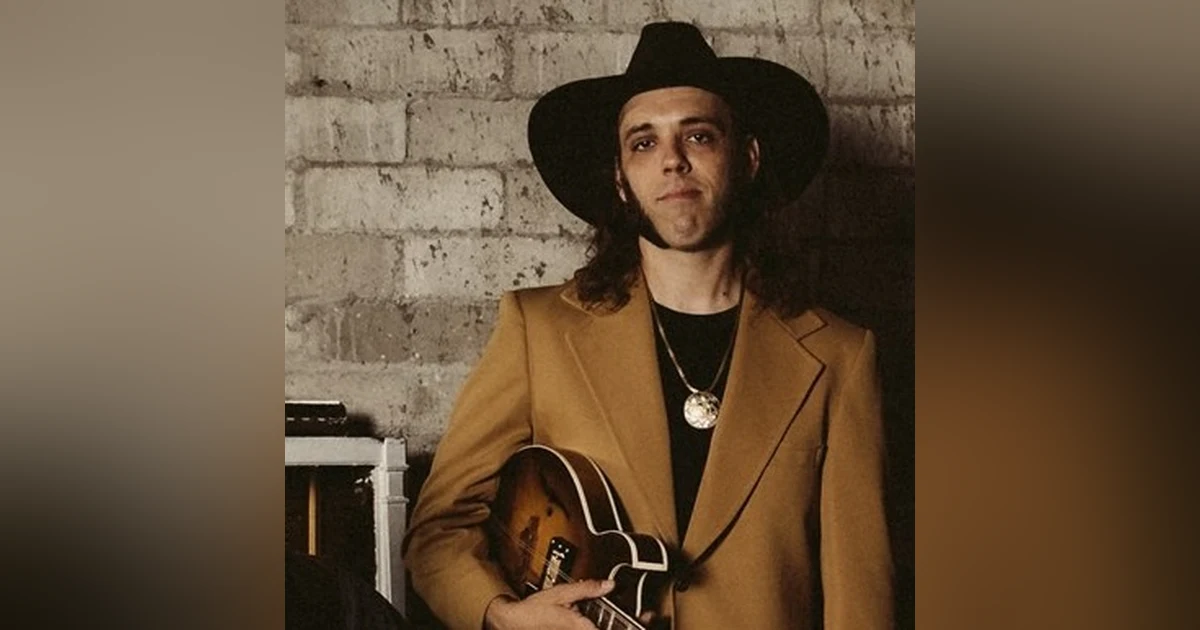
 The topic of this week’s show is KEEPING THE MUSIC ALIVE and joining me on the show is Dan Cervantes who is a multi-hyphenate musician, singer-songwriter, producer, record label owner (he runs Blind Owl Records), and solo recording artist. AND, for the purposes of this conversation, he is also the guitarist and co-founder of Chest Fever, the Official Revival of The Band.
Dan and I had a great conversation about why the music of The Band continues to resonate all these decades later, the role tribute and legacy acts play in preserving musical history, the community that forms around this music and so much more!
It was a really great talk and I hope you enjoy it!
FRESH CONTENT LINKS
Dan recommends: The movie Song Sung Blue
Jen recommends: Madonna Month on the Bandsplain podcast
SOTW
Chest Fever - The Night They Drove Old Dixie Down
Learn more about Chest Fever at chestfeverofficial.com
Learn more about Fritz Media at fritzmedia.ca
Learn more about The FM Podcast at thefmpodcast.com
SPEAKER_00
Hello, and welcome to the AtM Podcast. I'm Jen Fritz and I run Fritz Media, a music publicity and digital marketing firm located in Vancouver, Canada. And this is episode number 66 of the podcast. So the topic of this week's show is keeping the music alive. And joining me on the show is Daniel Cervantes, who is a multi-hyphenate musician, singer-songwriter, producer, record label owner. He runs Blind Owl Records. And for the purposes of this conversation, he is also the guitarist and co-founder of Chest Fever, which is the official revival of the band. Dan and I had a great conversation about why the music of the band continues to resonate all these decades later. The ruled tribute and legacy acts play in preserving musical history, the community that forms around this music, and so much more. It was a really great talk, and I hope you enjoy it. Here's my conversation with Dan Cervante. Well, hello, Dan. How are you doing today?
SPEAKER_01
Hey Dan, I'm doing great. I'm doing great. How are you doing?
SPEAKER_00
I'm doing good too, actually. It was it's been like super hot here in Vancouver, and today is actually like a reprieve. Like it's cloudy and cooler, and I am loving it. There you go. Yeah, it is so good. It's really good to see you, although we did just see each other briefly on a on a Zoom call last week. Yeah. You never like you never put your picture on on the Zoom call, which I always love, but you you popped in real quick, which was nice.
SPEAKER_01
I did, I did. That was one of those days where I preferred to be unseen as long as I could given the amount I was in and the amount of sweat I was profusing. Being in Nashville, Tennessee. I wear a jacket wherever I go when I'm not wearing a jacket.
SPEAKER_00
So oh, I hear you. Yeah, I'm I'm the same. Some days are not, you know, pitcher on days. I I totally get that. I guess that brings up to the point as full disclosure for everybody that you are a Fritz Media client, and we have done a number of projects together. I just like to say that when it happens. You know, not that it makes any difference, but I guess I just like people to know that, you know, I work with some great artists. So it's always nice uh to let people know. So to get things started here, I'm gonna begin with the question that I like to ask all of my guests, and that is how did you get your start in music?
SPEAKER_01
Um, well, I grew up listening to music in my household, very much a listening household. My dad had an acoustic guitar under his under my folks' bed. It was like a nylon classical, and so that was just kind of always there growing up, although he didn't really play that much, only when at like family parties and super, super, super late in the night. But he grew up playing guitar and he's originally from May Cali, which is right on the border there, uh nearish to where I grew up in San Diego, California. So, you know, when the guitar is in the house, you just you know it's there for a reason. What are you gonna do? Stare at it.
SPEAKER_00
You had no choice. Yeah. Did you like grow like were you in bands when you were in high school and stuff too?
SPEAKER_01
I I was in bands. I mean, I had a band. I always I never really joined I I've joined bands, I've joined many bands, but I always started bands or was you know, and mainly just found it easier to find like-minded people. And I tried to join the first band, I tried to join, and they said we already have a guitarist, and so I was like, okay, and so I went to the other dude who was sitting next to me at lunch, who was a friend, like, why don't we start up our band? And uh we were he was pretty terrible at drums and I was pretty terrible at guitar, but we made enough noise and played played uh Zeppelin's how many more times enough that it started to catch on.
SPEAKER_00
So yeah, you just gotta keep at it, right? 10,000 hours and all that, you know. Um, so the title of this week's show is Keeping the Music Alive. And I wanted to talk to you because you are a musician in your own band, which is Mrs. Henry, but you're also in the band Chess Fever, which is a tribute act for the band. And for anyone who isn't familiar with chess fever, how about if you tell us a little bit about uh the band and what drew you to the music of the band? The band.
SPEAKER_01
Well, uh, you know, the band draws a lot of folks in and still draws a lot of folks in. And it uh it just kind of came to me out of uh out of somewhere and um Americana at its soul, you know, but at a at its heart, rock and roll. So being a uh musician, I've just found myself gravitating towards it. And, you know, ultimately I got really involved playing the band's music out of a quest to play in other bands that were like, well, if you want this gig, uh, and this is at a time when I was living in LA and I was actively looking to play in other people's bands, get hired in other people's bands, be a part of other cool bands. Yeah. For this one particular band that I really wanted to be a part of, they're like, You gotta, you gotta get the band, you gotta know what this is coming from. And I didn't really get it and know it. And yeah, and uh there was a bassist in the group who really helped mentor me and was like, Well, you're gonna learn, figure this out, and if this can make sense, and I remember he put up up on Cripple Creek, like on YouTube, and we watched the video, and I was like, Whoa, okay, I think I can do this, I think I get what's happening here, and you know, and thus began that. I grew up, I remember my dad early on rented the last waltz on laserdisc for like Thanksgiving one year. I was like, what the hell is this?
SPEAKER_04
What are we doing?
SPEAKER_01
Yeah, it was like this isn't Guns N' Roses, or this isn't, you know, third eye blind or blank one eighty two, whatever the hell I was listening to then. And still listening to now.
SPEAKER_00
Yeah, of course. You just were not ready for it, maybe at that time. That happens. Uh the band's music's been around for more than 50 years now. What is it about those songs do you think that that still continue to resonate with audiences today?
SPEAKER_01
Uh, I think they're good songs. So that generally I think that's kind of it, you know? Um yeah, it's gotta be good and it's gotta be good enough to have every to have people want to pick it up at their lowest of low and highest of highs. That's I think, and everywhere in between, I think that's why the band's music is continues to be played and performed and and sought after by people and continues to be.
SPEAKER_00
You know, there's often a misconception that tribute bands are just about imitation. How do you approach performing this music in a way that kind of honors the originals while still feeling like authentic uh to yourselves?
SPEAKER_01
You know, I'd say, you know, the band was as original as they were analgamation and the uh influences of all these other bands that they were just imitating and wanted to be and wanted to be doing and and playing. And through that imitation or interpretation and respect and admiration, they created the band's music and songs. Like no song comes out of thin air, it takes one and two to make three. So, you know, I just saw the movie Song Sung Blue. Have you seen that?
SPEAKER_00
Oh, I haven't seen it yet. This Neil Diamond movie, right?
SPEAKER_01
Neil Diamond movie with Hugh Jackman. Go, go watch it. Yeah, I guess it was really cool. And it's about a Neil Diamond.
SPEAKER_00
He's an impersonator, right? Trip.
SPEAKER_01
Well, no, if he's he's an interpreter. Okay, he goes by, he's like, I'm not a Neil Diamond impersonator, I'm a Neil Diamond interpreter. And his whole this movie's about this Neil Diamond interpreter and the idea that he chose Neil Diamond and he chose out of a respect and an admiration, like nobody does Neil. He was like nobody, nobody at the time doing this in that era. It's in Wisconsin.
SPEAKER_05
Oh, geez.
SPEAKER_01
It's filmed in Wisconsin. I'm thinking in the late 80s or early 90s, nobody was doing Neil Diamond, at least there. And so he was interpreting it. And when you see the way he does it, he was 100% interpreting Neil Diamond, not doing it note for note. There was like a female counterpart that sang with it. So they were doing these duets and doing all these cool arrangements with horn sections and stuff. So what I look at, what we've been doing since we started chest fever, was at first playing it and just playing the songs. And at a certain point, once you know them and play them and you give all your respect and admiration to replicate, then I think the next thing is only to, you know, reimagine it and then do something new with it.
SPEAKER_00
Yeah, I mean, why not, right? Yeah. Yeah. I mean, yeah, what's the point of just doing it note for note? I mean, even if you think about the best cover songs, it's not note for note, right? Yeah, exactly. You know? Yeah. Um, so you have a new live album that was uh you just announced that it's coming out this September. It is called the 21st Century Last Waltz, which celebrates, it's in the name, one of the most iconic concerts that was ever staged. Um what made you want to recreate that experience? And what did you hope to to to capture that the studio recording could at?
SPEAKER_01
Yeah, well, it's um, you know, kind of in the name, there will there will always only ever be a last waltz, the last waltz that has ever existed that uh is there. So, you know, much like uh there's you know, centuries later interpretations of Beethoven's knife or you know, uh Mozart and Bach, it's kind of a way to freshen up and bring this catalog into now with an open-ended book of what that means, as this this has now been interpreted in the 21st century, whereas the last waltz is of the 20th century. So it kind of seemed apropos of doing something, and and obviously this the a big component of this is that it was recorded live at Massey Hall. Yes, the initial catalyst of it was doing a show at Massey Hall. Not only that, less than a year prior, and you could call it a year prior, having sold out the horseshoe tavern and and had this story, kind of a story um of going from the horseshoe tavern to Massey Hall. And pretty much everybody who said you're out of your minds and crazy and don't do it, even the venue trying to like, we think you should do the Roy Thomas something. I don't really think this you're you just the horseshoe tavern is not Massie Hall. We're like, Yeah, we know, but this should be at Massey Hall and we're gonna do it. Yeah. And it was literally at the Horseshoe Tavern where some guys like, oh, you guys should this should be something at like Massy Hall. We're like, yeah, that's a great idea. Why don't you call them up and let them know we're down to do it? And then on a Zoom meeting two weeks later, like you guys are serious, we're like, yeah, dude, let's bring this Massy Hall. And then we just from one way to another got and then just kind of went from there. So if it had been any other place or any other journey, it probably wouldn't have been anything, but the fact that it was a monumentous event and a big flash and absolutely something that radiated that we felt it was important to not just call it live at Massey Hall, but to give it a timeless, settingless name. Yeah. I guess it's putting a time. It's saying, you know, so maybe in a hundred years from now, you know, whoever does this again and picks up the baton, um, they can do the 22nd century last waltz, and we'll see what that sounds like.
SPEAKER_00
That is such a crazy thing to imagine.
SPEAKER_01
Yeah.
SPEAKER_00
Somebody doing that.
SPEAKER_01
It really is. But what's even crazier to think is that in 50 years it will be the hundredth anniversary of it. Oh god. Which, you know, God willing, I'll live to see. And that'd be great.
SPEAKER_00
That is totally insane. Well, the album and also obviously the show um featured an incredible lineup of of guest performers. You know, it was at Massey Hall. So there's a lot of Canadian performers uh that were involved and also international performers. What was it like collaborating with artists? And um, you know, and I'm sure that they kind of brought their own connection to the music within their performance, maybe.
SPEAKER_01
Yeah, it was great. I mean, there's yeah, a lot of it was all it was all the spectrums of everything, whether that's like frustrating, amazing, fun, enjoyable, challenging, rewarding. It's always a you know, uh, a gamut of emotions and experiences, and everybody, there's so many. That was like probably the largest array of musicians through generational, like through generations. You had people in their 80s, 70s, 60s, 50s, 40s, 30s, 20s. Probably somebody was a teenager in there, I didn't even know about. But you just had this giant array of people like, oh, I've never, I've only, you know, people have maybe been like blown up on TikTok and are like, you know, massive on TikTok, but have never played a bigger stage than like a, you know, a club or something like that, or like that. So, like, what Massie Hall, what is this? What's the level? Then no concept. Or you had legendary people like Sylvia Tyson, who, you know, I am unbeknownst to me, I just didn't know the brevity of her career. And then in a documentary uh I've been in the works on about this whole experience from the horseshoe to Massey Hall, I was like, wow, she did some amazing stuff that I just wow, she's a total rock star. And not that I not that it didn't hold any discredit, but I just was like, I don't know.
SPEAKER_00
It's almost like you're not you're not Canadian. That's I'm not Canadian.
SPEAKER_01
I'm definitely not, but like, yeah, I don't know. So a lot of full scale of everything of like, you know, everything that went right could go right, everything that went wrong could go wrong, and it was amazing, you know. The whether it's the Canadian artist we got involved or the Americans we brought in by Lancy and Train, you know.
SPEAKER_00
Yeah. It must have just been a really rewarding experience, regardless. You know what I mean?
SPEAKER_01
Like it it definitely was. It's it's uh it's a memory I you know, I think that'd be very hard to forget.
SPEAKER_00
Um, has performing these songs over the years, like I'm sure you've played them so many times, has it changed your appreciation for the band as as musicians or songwriters? Like maybe you've discovered things in the music that you didn't notice when you first started playing it.
SPEAKER_01
Yeah, I think so. The more that we've played it and the more that we've achieved to play it to the best ability. And you know, this goes to when we take on new songs that we haven't maybe ever played. Um, but even old songs, there's you know, some songs we can't just be like, let's just pick up this song and play it. There's some stuff that's like we gotta re definitely refreshen it. And then it definitely takes some rounds of getting it in. But like there's so many nuances and intricacies. Um, and it kind of happens as you work on songs as a band. The simple things that that maybe 85% of the population just kind of hears and it goes goes in in ear one out in one ear and out the other. There's stuff that's so intricate about the band's music that, you know, for us it becomes a big challenge of just trying to find those little moments. And that in itself doesn't just become muscle memory, you know, automated. We have to work every single night to make sure we get those things. And, you know, like I said, whether or not the crowd appreciates it or not, they just want to, they're gonna sing the song, even if we're hitting the anticipation or the downbeat of anything.
SPEAKER_00
So no, that's that's totally true. Actually, that brings me uh to to uh ask you a question about um is there younger audiences coming or is it mostly just what I'm imagining?
SPEAKER_01
There it's I would say it's you know, somebody asked me that today, and they're 100% our younger audiences coming out, and it's oh I love that. Yeah, I I do too. We I mean it's part of something that gave us some belief in that we're more than just doing something on a keep alive sake, it's more of a of a wow, we're getting to share this music and and give people opportunity to hear this music, play it at a very high level, yeah. Who in no way could ever have seen the band. We'll never see the band. I never got to see the band. But like it's giving them their discovery, like, you know, imagine getting turned on the band when you're 18 or or nine or 10 or 24 or 25, and being like, holy wow, there's a band that tours this, and it's not just the local guys in the pub playing playing up on Cripple Creek and and you know, slaughtering it. It's like a band that you know goes out there and makes a living doing it and playing it, and and I can go see these guys. It's been really rewarding. I mean, he when our we played our show in Nashville, there's these two dudes that come out who must only be 20. I don't even I don't know. It was an all-ages show, and there was a kid, a mom who took her kid. Her kid was and her mom bought merch for the kid, and the and the kid couldn't even buy the merch. So I was like, this is nuts. And then there's the two teenage or early 20s dudes who are wearing our chest fever shirts that were at the first show we ever did in chest fever, and and then you have you know the boomer audience, and then you have dudes in their 30s or 40s, and then you have the fathersons that you know it's like this passed down thing. My dad watched The Last Waltz every Thanksgiving, so I watched Last Waltz and then we blended. You know, it all became this generational experience.
SPEAKER_00
So love to hear that. Yeah, it's so good, but I mean I guess it's like that with uh with you know other legacy bands as well. Like you see like younger, like parents going with like their kids and that sort of thing. So yeah, that makes sense then.
SPEAKER_01
Yeah, I would hope so. I mean, I I'd like to think for us, I remember my mom once took me to see like a f the Fab Four or the something with like the San Diego Pop Symphony doing Sgt. Peppers and like being a little bit of a like a kind of a thing, like a last lack of a better word, like a gimmick thing. Or like I know gimmick's maybe not the right word, but like I'd like to think what we do is definitely not that because it's a lot more on edge. And I think that's kind of the main component that we like to make sure to do is keep this a rock band, and and that's what the band was was a rock band, which yeah, there's little to no reference uh there, just respect.
SPEAKER_00
So do what do you how do you like to describe yourself as a band? Like, do you like when people say tribute act? Like, what's the way that you like people to say it?
SPEAKER_01
You know, we're uh tribute act helps market it. We're a a rock band at the end of the day. So, you know, we play the band's music. We used to say we're a band that plays the band. And that's that's probably it at the core.
SPEAKER_00
I like that. There's always so much trouble with the band as a name. Even in me writing the press releases, I'm like, oh, I don't know. People understand what I'm even saying. Like, I don't know.
SPEAKER_01
I feel like at some point it'll be accepted when band I don't know, you know, but it's it was a try it was trouble for the band when the band was a band.
SPEAKER_00
So yeah, well, they they pick the name. So you've got a uh Canadian tour kicking off this fall uh and supported the 21st century last waltz. How does um taking this music on the road across Canada feel considering the band's deep Canadian roots?
SPEAKER_01
It feels great. We've wanted to do this for a while. We've always wanted to do a tour more than just the places we know, which I feel like we know more places than the average Joe. So like now is a we looked at it as as good of an opportunity as any to grow that reach and that audience. And, you know, with the 50th anniversary of the actual concert, we felt, you know, now that I I feel like now it's apropos that when I live in I live in Nashville, so it kind of gives an opportunity for us to start in one place and leverage getting to Ontario, which is our first kind of foothold we ever established as a as chest fever, was really Ontario being like the place.
SPEAKER_05
Yeah.
SPEAKER_01
And, you know, just one thing has led to another that's made it like, you know, a performing arts center in Dauphin, Manitoba reached out to us on Facebook or Instagram and been like, man, it'd sure be great if you'd come and play Manitoba. And I was like, I immediately messaged back, yeah, that'd be awesome. And he's like, Really? I was like, Yeah, send me an email, let's do this. And they sent me out, like, yeah, here you go, let's do it. He's like, Oh, you have this day? I was like, Yeah, let's do it. And then we just booked it that day. That like an hour later, we did it, and then I was like, Cool, we're going to Manitoba. So now I need to get some other shows, and we gotta do this. And now from we know we can we've played Saskatoon, Saskatchewan, so they love you in Winnipeg.
SPEAKER_00
Winnipeg's a it's a big music town, Matt.
SPEAKER_01
Yeah, yeah. When Winnipeg's gonna be on that list, so it's like it just I'm I'm really excited about it. Yeah, I know the boys are to go see places we've never been, and we're really fingers crossing, hoping to get a show in Quebec. That's like our never never been, and you must we're trying to trying to make it happen. So all the people out there who I've emailed, get back, let's let's do a show.
SPEAKER_00
Yeah. Oh, Montreal's like my second show. Favorite city in in this country.
SPEAKER_01
I've never been. I really want to go.
SPEAKER_00
Yeah, you must. This is kind of a question that is about like the theme of the show, keeping the music alive. What role do you think tribute and legacy acts play in today's music scene in kind of like keeping the legacy alive for the band? Because I know that you work you do some work with the band, like like their legacy as well. So do you see like do you see that as hand in hand?
SPEAKER_01
Like I mean, for us, it's it's a great I mean it's working with them has been a as it's kind of been a catalyst of why we started it and put it into its own classification. We were an original band playing this music and just kind of doing it as, oh well, we think people might go and do this, and then we can kind of segue into the real wares we were trying to sell this whole time, which is our original music, but you know, it then became an opportunity for us to actually like, oh well, we can sell our wares and do this and be able to do it with longevity by entertaining and doing that. And at the end of the day, a component of the music and of of the band or any band legacy or or otherwise it's that music doesn't exist it does the music does better and exists further and longer if it's out there being played because there's nothing like live music. There's still there only There is even the concert we did is and the live record's great, you know, but seeing us live is the experience. And people, you know, we have people fly over around the country to go see us, and you might be like, wow, you fly across the country to go see a tribute band. And for these people, they get it that we it's just an it's just a thing, it's just the name of what we do, but we're just a band and it's more we're just this is just the you know, the colors we're painting with are are all within that set, you know.
SPEAKER_00
Yeah, I mean it those songs are just so incredible. So to see them played well live would I I can understand why they're driving or flying, I mean, like to go see you. Yeah.
SPEAKER_01
Hopefully they keep doing it.
SPEAKER_00
Yeah, we encourage it, please. Oh my goodness. Well, just kind of wrapping things up just a little bit here, I wanted to kind of end things with a a question that I've always actually wondered, which is is there one song by the band that still gives you the goosebumps every time you play it? Like one song that kind of hits you.
SPEAKER_01
Um, I don't know, may perhaps the night they drove old Dixie down would be that one. But it's a uh, I don't know. There's it's a whole array, different ones hit at different times, but I would say that's one that's had a very electrifying moment many times. And so yeah, I don't know, there's something that's I mean that's a that's a good answer.
SPEAKER_00
And also, by the way, it leads me to say that uh you just released the the live footage from SC Hall for that. As as a good publicist, I should say that. You can watch that on YouTube, uh, folks, if you'd like to see it. Oh man. What do you think that uh the members of the band would think of that? You know, not not just of what you're doing, but of people still celebrating the music 50 years on.
SPEAKER_01
I think they'd get a kick out of it. I think they'd be, you know, pretty stoked. I mean, you know, Le Von's daughter is still go going out there celebrating his music and her music and doing that. So, like, you know, I don't know. I'd I'd I'd think they'd appreciate it. Yeah, nonetheless, just be stoked. Who wouldn't? One artist wouldn't be stoked with someone. Who wouldn't be stoked, yeah. That's still playing your songs that you wrote and were doing and still influenced by you 50 years later, 60 years later. So true.
SPEAKER_00
Okay, so now is the time to head on over to our fresh content segment. Every week on the show, we discuss our favorite piece of music content for the week, and we always like to start with the guest. So, Dan, what do you guess?
SPEAKER_01
Well, and this is where I'm supposed to talk about something fresh that I've heard recently.
SPEAKER_00
Well, it doesn't have to be fresh even. Like it can be, I mean, I did like holes lived through this once, so it's like something that you just like could be anything. Could be a music documentary, could be, you know, a video you watched.
SPEAKER_01
Oh, sure. I just saw the Hulkan documentary that was pretty, pretty interesting and and and um I don't know from a art uh uh from a perspective of seeing WWF growing up and as a kid, as everyone all at least the kids around like it was just part of the culture and the zeitgeist. Totally pretty amazing to see. It was definitely on my toes watching it. I would say though, this the song Sung Blue maybe might be. I would say that's the that's the that would be the fresh content because it I would say, you know, there's it's just it's it's a movie. It's not perfect in any way, but it surprised the hell out of me. And I thought I knew, oh, I I just it surprised the hell out of me. And maybe from being a performer and a tribute artist, which I actually think there's a lot there's it's a movie about a tribute band. And I thought, no, there's more that that's more relevant and probably today than probably ever was because there's a lot of tribute bands that make livings doing that, and it's you know, it's an honest living doing what you you know doing. And so it's really I thought it was really entertaining. So I I dug it.
SPEAKER_00
I love it. I I I am gonna I'm going to the UK on I'm taking a flight to London or to Dublin actually on Oh cool. And then I'm going to London after that. But on uh that's a good uh like airplane. It should be on the airplane.
SPEAKER_01
Yeah, like that's I was on it, somebody's like, I watched this on the airplane. I was like, that's a perfect airplane.
SPEAKER_00
That's a like it is.
SPEAKER_01
I'm gonna totally download that for and I learned how much I love I actually really dig Neil Diamond. He's got amazing songs.
SPEAKER_00
Oh, I love it. I love it.
SPEAKER_01
He gets a lot of hell, but man, Neil Diamond's got some hits. He's amazing.
SPEAKER_00
I love it. I'm telling you, Forever and Blue Jeans. No, it's great. She's a great song. I love it so much. I know. All right, so my fresh content for the week is uh I don't know if you know this, but I'm a total podcast nerd, and uh I'm also a music nerd. So I listen to a lot of podcasts about music. It's no big surprise. And one of my favorite podcasts is called Band Splane, which is hosted by the amazing Yassi Salek. It's on the Ringer Podcast Network. Great podcast for just like keeping up with, you know, new music, which is really hard to do. And then she also does like deep dives on artists, and you know, it's good for like, you know, artists that maybe you'd haven't listened to, and it's just a lot of information to find out kind of more about them and their catalog. And she recently did a Madonna series. It's called it was called Madonna Month. And uh it's a huge like four-part series. And I'm a huge Madonna fan. Like uh I grew up in the 80s, so obviously I was a huge Madonna fan. And even I like learned a lot of stuff about her, and it's a lot, like it's a four four episodes, and each episode is like three and a half to four hours long. Oh, okay. Um, so there's a lot of information, but it's something you can kind of listen to in chunks, you know what I mean? Like I just kind of had it on the go all the time. But for some if there's someone listening out there that knows nothing about Madonna, like just listen to it.
SPEAKER_01
Well, I mean, I feel like I know n I feel like I know something about her, but I probably know nothing about her.
SPEAKER_00
Yeah, just like she's an incredible artist and uh changed the culture. So, you know, a lot of the um female acts out there right now uh, you know, wouldn't exist without her. So, you know, she she led the way. And we need artists like that. But anyway, I will link to the to that podcast in the show notes as well as to to Dan's picks, and I guess that kind of does it for us. So thanks so much for joining me today.
SPEAKER_01
Thank you, Dan.
SPEAKER_00
Where can people find out more about chest fever and you, uh, your other bands, all of that stuff if they need to?
SPEAKER_01
Sure. You know, you could find out about us on I run a record label, blindoutrecords.com. We'll be premiering each week a little story about this whole massey hall experience we did and the and the last waltz. You can find us on chestfeverofficial.com at chest fever official. You can find me at dude Cervantes, and and I've got my hand in many different projects and all around the universe. So you know, I'll be knocking on your door before you know it.
SPEAKER_00
You're doing so many things, man. You make me tired every time I see you on Zoom. When I get to see you on Zoom, I guess. All right. Well, thanks. Have a good rest of your day. Thank you, Jen. Well, that was a good one. What a great chat. I'd like to thank Daniel again for coming on the show. Thanks so much for listening to the FAM podcast. If you like the show, please tell your friends and give us a five-star rating and review in Apple Podcasts. Or you can always help us out by telling a friend about the podcast or maybe posting about your favorite episode on your social media. Whatever you can do to help get the word out. We'd really appreciate it. The FAM Podcast is produced by me, Jen Fritz for Fritz Media, with production assistance from Carla J. If you want to learn more about Fritz Media, go to our website, Fritzmedia.ca, and to learn more about the podcast, go to thefmpodcast.com. As always, a big thank you to Said the Whale for providing the theme music for the show. Okay, so we're gonna go on with the song of the week this week, which of course is from Chest Fever or Chest Fever doing the band, however you want to look at it. This is from their forthcoming album, The 21st Century Last Waltz, live at Massey Hall, which is set to come out on September 18th. Here's the night they drove old Dixie Down.
