June 2, 2026

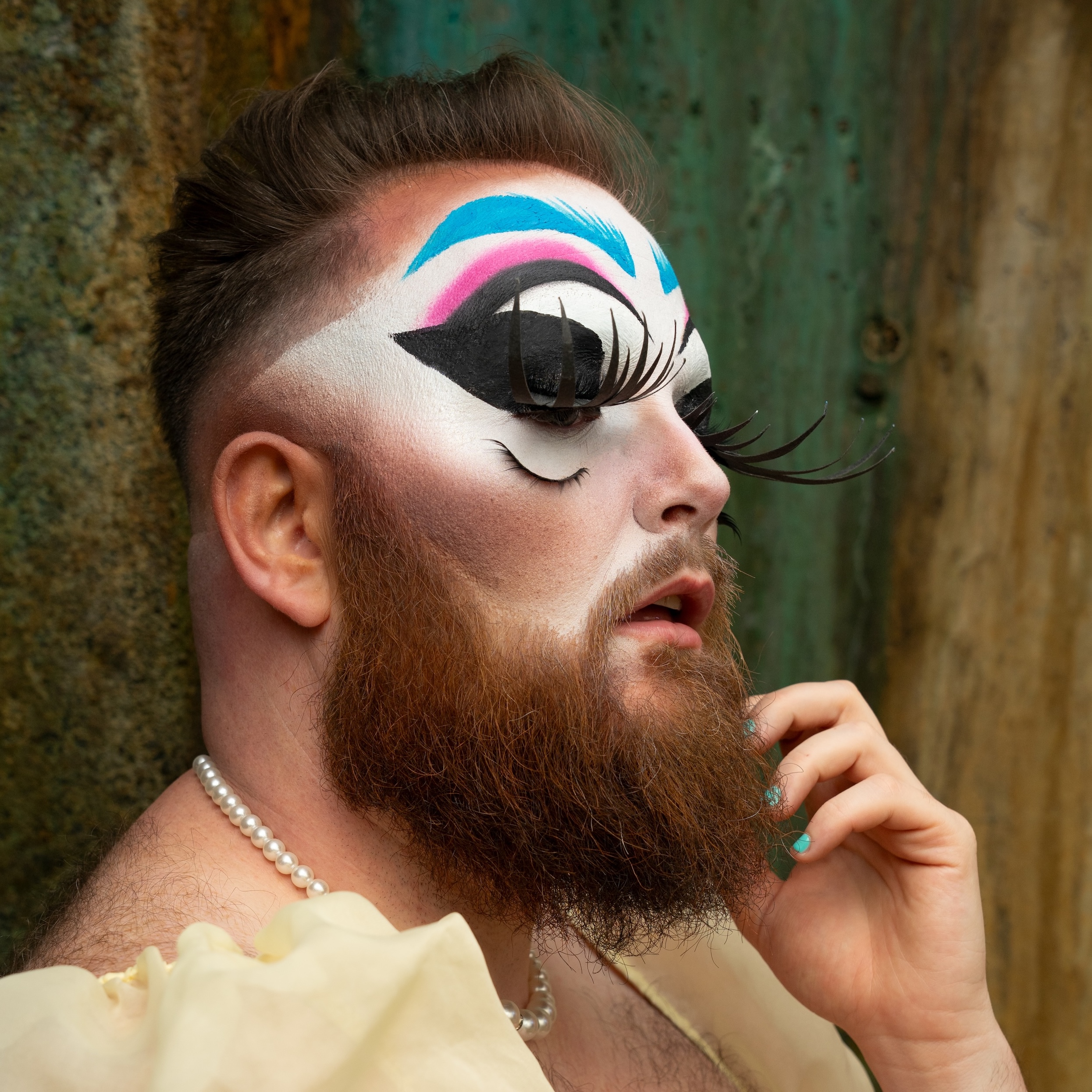
61. Music Is A Drag with Dust Cwaine

61. Music Is A Drag with Dust Cwaine
RSS Feed podcast player badge
Apple Podcasts podcast player badge
Spotify podcast player badge
iHeartRadio podcast player badge
RSS Feed podcast player iconApple Podcasts podcast player iconSpotify podcast player iconiHeartRadio podcast player icon

For our Season 6 premiere, we’ve got a really fun one for ya! The topic of this week’s show is MUSIC IS A DRAG and joining me on the show is none other than Vancouver Musician, Drag Queen, and Award Winning Event Producer (with their company Sleepy Queers Productions) – Dust Cwaine!

Dust and I had a great chat about what it’s like to balance creativity and project management, while living a multi-hyphenate creative life and wearing many different hats. We also talk about the work that goes into building scenes and communities, especially in queer indie spaces, the difference between audience and community, and how to avoid burnout when juggling all of the things!

Dust is a good friend and client and someone who’s company I enjoy very much, so this is a really great talk and I hope you enjoy it!

FRESH CONTENT LINKS
Dust Recommends: The Gin Blossoms - Til I Hear It From You
Jen recommends: The feature film Mile End Kicks

SOTW

Dust Cwaine - Little Plans

Learn more about Dust Cwaine at dustcwaine.ca
Learn more about Fritz Media at fritzmedia.ca
Learn more about The FM Podcast at thefmpodcast.com

Hello, and welcome to the FM Podcast. I'm Jen Fritz and I run Fritz Media, a music, publicity, and digital marketing firm located in Vancouver, Canada. And this is episode number 61 of the podcast. So, welcome to season six. I'm really happy to be back after two long years. Can you even believe that? I can't believe it's been so long. I want to thank you guys so much for waiting. I really miss doing the podcast, so I'm so happy to be back. For our season six premiere, we have a really fun one for you. The topic of this week's show is music is a drag. And joining me on the show is none other than Vancouver musician, Drag Queen, and award-winning event producer Dust Quayne. Now, Dust and I had a great chat about what it's like to balance creativity and project management, uh, all while you're living a multi-hyphenate creative life and wearing many different hats. We also talk about the work that goes into building scenes and communities, especially in queer indie spaces, and the difference between audience and community, and how to avoid burnout when you're juggling all of the things. Dust is a good friend and a client and someone whose company I enjoy very much. So this is a really great talk, and I hope you enjoy it. Here's my conversation with Dust Quay. Well, hello, Dust. How are you doing today? I'm good, Jen. I'm good. I'm so excited to be on the podcast. Well, I know that you are a big fan of the podcast. I am, yeah. Yeah, you told me that uh before we even started working together, which brings me to my full disclosure, everybody. I do need to tell you that Dust is a Fritz Media client, and we have worked on a couple of projects together. But you know, that's neither here nor there. That's not going to taint what this whole conversation is like. So to get things started, uh, I'm gonna begin with a question that I like to ask all of my guests, and that is how did you get your start in music? God, it's so crazy. So I I've always loved music and I never was successful at choir. I didn't study music in high school, any of that sort of thing. I actually came to music because of what I like to call drag queen delusion. So I had been a drag queen for about five years, and when the pandemic happened, a friend of mine was basically like, hey, like now that things have slowed down and you don't have all these shows, like you should consider getting into music. And I was like, Yeah, absolutely. Now seems like the time for that. So I just started recording music in my closet during the pandemic. Ah, a tale as old as time. You started uh doing a creative pursuit during the pandemic. Correct. Interesting. And I did it, I did it on my own with like no skill, and I would just find like royalty-free music to write to, and then I would record my vocals, and then I would just put it out. And people responded really, really well to it. And I realized that what I liked about it was that I was creating a piece of art that would probably go on to live beyond me. Right. And with drag, your name can live beyond you, but your art is your makeup and your performance. And at the end of the night, I found that I was like washing my makeup off and like I wasn't leaving anything behind. And I have a lot of nieces and a lot of nephews, and I just wanted to leave behind something for them. Oh, that's you know what? That totally makes sense, actually, when you put it that way. And especially like looking at the type of music in the work that I do, like it's very oriented. Like it's it's very centered on who I am as an individual and my experiences in life. Yeah. I think everyone writes from that, but like Yeah. And so, yeah, that actually brings us to the title of this week's show, which by the way, you came up with. I am gonna credit you. Uh, the title of this week's show is Music is a Drag. So clever. And I wanted to talk to you about what it's like to balance creativity and uh project management and you know, living that multi-hyphenate life and wearing all of the friggin' hats. And uh obviously you were the first person I thought of when I wanted to tackle uh this topic because you are, and you know this, my most organized client. And clip that. Yes, clip that. And also, uh, I'm gonna say this even though I probably shouldn't, because everyone will listen to it. Uh, you're also my favorite client because of that. Even though I love all of you equally, I might love us just a little bit more, just because you are so organized and always on it. And if I need anything, you have it. And anything I need to do an album release, you've got it. I I would like to just take this moment to speak to other Fritz Media clients and just say to them that they too could be your favorite client if they just organize their files. Just spend a little bit of time in Google Drive, think about all of the things that Miss Fritzy needs, yes, and then put them all in one place and then hand them over. Hand them over. That's really easy. Also, if you have trouble writing about yourself or about your music, get someone else to do it, babe. It's not that deep. No, it's it's really not. But I think that, you know, we'll get to it, but it is a very it's a barrier for a lot of people. And kind of to start off this conversation, I wanted to sort of talk about the invisible labor behind art making, like especially for queer indie artists who are building like scenes and communities themselves. And I think people maybe think these communities just kind of emerge out of thin air for them to be a part of, but there's actually a lot of time and work that goes into it. So, can you maybe talk about that aspect of it just to get this going? How much time do we have? Yeah, I know. Like, can you like try to make it short? Yeah, no problem. So obviously, so not obviously, as a drag performer, when I started 10 years ago, it is actually my 10-year anniversary in two weeks of drag. Woo oooh. I didn't find a place that fit exactly what my artistic vision for myself was. So I created it. And the purpose of that was to create a space where I myself could feel artistically fulfilled. I could find other people who weren't artistically fulfilled in other spaces. I didn't want to perform in nightclubs in the dead of night. I wanted to perform kind of like post-dinner into the early evening. And so I did that. And I also wanted my drag to be diverse in the way it told its stories and the types of drag we saw. So drag kings, queens, things, those sorts of things. And so I created my own production company and I taught myself how to be organized, and I needed to be organized in order to execute shows that had 20 performers in the internet and like do all of those sorts of things. So that's kind of like the the fire that forged me. Right. And then when I stepped into music, I was like, oh, the majority of this job is not creative, sadly. Yeah. It is, in fact, uh, I would say 70% administration, which is crazy. But that's just file management, sending emails, dreaming up things, thinking about things that need to happen, communicating with people, maintaining relationships. Like it's so much. The actual creating the art is the best part. The actual presentation of the art is the best part, but it's such a small part. And I think that that's where a lot of artists get into it and they're like, oh my God, this kind of blows. And or I talk to artists and they get upset that they're not doing the creative part. And I'm like, the creative part kind of has to live in the shadows of the admin, in the shadows of that, because one of the only ways you're gonna be successful, build a scene, build a community, sell out rooms, those sorts of things is if you master that. Yeah. Like because the creative stuff, we have to keep perfection away from creativity. Perfection and creativity, they do not go hand in hand. The best art is imperfect. Look at Elliot Smith. Yes, right? The best art, imperfect. Yeah. So we need to constantly be perfect at one thing, but then forget that perfection exists at the other thing. Yeah, I mean, well said. Clip it. That's uh that's really true. You guys have to know, just by the way, that I was before we started this podcast, I was complaining about how I have to do uh video social media clips now because this used to be, as we all know, an audio-only podcast. And it will remain an audio podcast just for listening to the full thing, but I uh am taping some video to do clips. So we were talking about how all of the podcasts we listen to say, clip it. Clip that. Clip that clip it. Yeah. Also, dear sweet listeners at home, I think you should also understand that the vibe you're sensing between me and Jen, if you're wondering, yes, we have kissed, it was platonic. Oh my god. It was just in the heat of friendship moment and no one saw it. Yeah, there's no photo evidence of it or anything. Um, but also sometimes when we hop on a client call, we don't necessarily always talk about music. Sometimes we do just talk about television. So yeah, sometimes we just talk about the bear for an hour, by the way. Yeah, just play on it. I'm not gonna let us get sidetracked. No, no, no, no. Sorry, sorry, sorry, no, sorry. I'm aiming for I'm aiming for like an edge of like thoughtful music uh industry stuff slash anecdotal, fun, entertaining vibe today. Totally. I'm gonna just like bring us back to the building of community. And I have a question that's just like, what is the thought process behind like building community versus building audience? What is is it the same thing or is there a differential? It's really, really fun that you asked this question because it's what I've been pondering. This is what that was my pondering question all winter because I run a lot of events and the word community is this has a sort of like parlance in our in our in our world of like this specific meaning. And I think that community can exist in your audience, but I don't think your audience should be necessarily be your community. Community is like the person who helps you move your couch, community are the people who show up for you when you say, I need help. Community is kind of what happens when you need to take care of each other, like safety and togetherness and all those feelings. When it comes to art and shows and building an audience, those are people who support support you as an artist. And uh I hate to be capitalistic in this way, but they are also the ones who fund you. They're the ones who support you by tickets, buy merch. Um, they're enthusiastic, they listen, they stream, and community. I don't expect the same thing from my community that I expect from my audience. Right. And you also can't expect to have an audience. That is a it's a relationship built on trust. And community is also that, but can be a little bit more dysfunctional. Yeah, that's that's true. That's very well said, actually. Thank you. I'm glad I asked that question. No, that is a it's really great that you asked that question because I think about it a lot. Because I, through Sleepy Queers Productions, which is my production company, we do drag and music events and our shows sell out really fast and we have a really built-in audience. And we talk about a lot how our audience is not other performers, it's people who want to consume the art that we are presenting. That's our audience. Exactly. Yes. And so if other performers want to consume that show, then they can come. But at the end of the day, we're not putting on a show for other musicians, we're putting on a show for an audience who is part of a fandom or who are fans of a specific drag artist or a specific musician. And that's really important to differentiate because if I went around saying that my space was community, this is community, this is community. Community is not what I experience as a show. I'm doing a professional thing. I am giving you a performance and that stock community. Right. That's not community. Yeah, okay. That that totally makes sense to me. I was, I don't know. I when I was putting this together, I was just kind of thinking about it because I know like we kind of we talk about building fandoms as community, right? And I think that within the fandoms, a community can exist, but that's maybe different. Totally. It's people who find common ground outside of the thing. Yeah. It's like I said, like if you come to a sleepy queer show, you come to three, say, back to back, and you see the same people at them and you start talking to them. And then all of a sudden you're like, oh, now I'm going to a third space with this person getting drinks. And then you know, three months down the line, you're like, hey, can you help me move? That's community. Yes. Or you reach out to that person being like, I'm doing a fundraiser for my top surgery. That's community. It's not when you go to a show, you're there to consume the show. That's right. Okay. And the problem with all of this is that with all of this, is that drag queens are seen as the figurehead and the leaders of community. And I don't want that for myself anymore. Okay. You know what? That makes sense, actually. Like, why would you want that? Like, I I I want I want to create a show and I want to present it to a hungry, ravenous audience. Yeah. That's what I wanted. That's it. And then whatever happens after that, Godspeed. Exactly. The reason this comes about is because some of my closest friends in life, my chosen family, my nibblings, all came because they are people I met at a show. Right. And they came to my shows. And when all of that went offline, there was community in that we helped each other move, we helped each other find lodging, we supported each other emotionally. Like that's that's community. Yeah. Yeah. Okay. So at what point? This is kind of a like, there's one way to look at it and another way to look at it. This is kind of like, you know, when your therapist says, How about if we look at it this way? Do you know what I mean? So yeah. At what point did you realize that, you know, being an artist also meant you could become your own manager, your own promoter, and you're more and your own marketer? Because like there's one way to look at that, like I'm in charge, but there's another way to look at it like, oh my God, I have so many things to do. I wanna I want to start by saying that I don't want to be my own manager. No, but you have to be. You have to be, you have to be up until a certain point. Every time I meet someone who's like, oh, I did artist management. I'm like, are you cool? Like, could you do this for me? Um, but it has to be like the right scenario. For me, it's that again, going back, I didn't see a space for me. Right. And so I just did it. That was the drag. So the multi-hyphenate element of this is that drag requires something very different than music. Music requires like a trained skill that you study for a very long time. Drag does not need that. You can study makeup and all those sorts of things, but for the most part, the drag transformation is like a busted booger to polished, beautiful drag experience. It's a journey that you play out as you go. So, like people can just tomorrow you could choose to do drag. Right. It's that easy, but tomorrow you couldn't choose to be a musician. No, no. I mean, there's probably some people that think you could. Well, I mean, I I mean, that's me. So that's my story, is that there's this magical element of drag because it is kind of pop princess dress up at the club, is that it creates this delusion in your mind that you can do anything. Right. And delusion is both good and bad, and you follow it wherever it takes you, and it'll take you many, many magical places full of disappointment and wonder. But like when I come back to music, it is incredibly humbling for me because I think you remember in the early days for me, we were like, people are gonna eat this shit up. They love drag, it's gonna like people are gonna be so gassed up for this and they're gonna gag for it. And then it was just a tepid welcome to the music scene because they were literally like, we've been here, we've been working at this, all of these things. It I I started here because that's where I put myself, and then I ended up back down here. And then, you know, I learned over time, learned a little bit more about the industry, started building myself up. Second record comes out, people care a little bit more, you know. And that's how it works. Totally. You know, like you have to start at the bottom. And no matter how good your music is, it takes a while because it's like, I don't know who this person is. Like it totally, you know, it it takes a while. Like for what I do to convince people to actually take the time to listen to it. Totally. You know, and and we and we we saw the fruits of your labor from my first album, Art Canada, to my second album, Twin Lakes. We saw the fruits of your labor. We saw reviews come in, we saw reviewers showing up to shows, like we saw all of that, and I was like, oh my god, it's been an exhausting five years, but we did it, Joe. We did, yeah. Remember, I remember that we had the email. We did it, Joe. Yeah. Was that when we got into Exclaim? Was that exclaimed? I think it was Exclaim. We did it, Joe. We did it, Joe. I don't think I've ever cried. I I've cried many times at opportunities in this situation, but like that was one of the biggest. Well, I can tell you, like, that moment too uh was a moment for me that made me remember what I do and that it does have an impact on people. It it was like it was good for me because I was just like, oh, that's right. What you're doing actually affects people. And it, I don't know, it just made me so happy that I could that you know that we could share that happiness together. It was so good. Yes. And that was it was written, it was written by my friend Adam Fink, who I comic. Which amazing. We love Adam. Oh what a what a jam. Like just one of the coolest people to think. Inarguably, absolutely. And now I've been we we've been doing all of these like big dragon music shows at the Fox, and he books them all. And like, yeah, he's been such a champion of me. Such a good we love you, Adam. Let's clip this. Adam Fink, we love you. Clip this, Adam, we love you. Amazing. All right. Well, you know, so you seem really like incredibly organized now, as we've discussed. You're my favorite client, but obviously you don't just become that way. There must have been some growing pains to get there. Was there any particular mistake or maybe a burnout moment that kind of forced you to change how you work in general? Yeah. So before the pandemic, I was running a bi-weekly drag show, and the show had anywhere from like 20 to 24 performers. I think at one point we even had like 35 performers on one of the shows we did. It was crazy. And organizing that was challenging because it required a lot of communication with all of those people and then also communicating as a group. Drag doesn't necessarily desire professionalism. I think it desires being a little bit underground, which is completely fine. But for me, I really like when the pandemic hit, I realized that I was going at an unsustainable rate. All of a sudden I wasn't doing anything, and I realized I had sort of like taken my eyes off my garden, which is like my friendships and things like that. And I lost a lot of friends, and I, you know, had to come to terms with some of the ways that I was treating people, and the burnout was a little bit of an exodus and also like a big come to Jesus, where I actually almost stopped art altogether. Oh my goodness. Which I think was healthy for me to come to that and be like, it's gonna be okay. And then when the clouds started to part, I was like, there is actually a way forward because my skill and my experience is still could benefit people. And so I need to change the way I function, go to therapy, spend some time figuring out because professionalism, especially in the arts and understanding organization, is actually how you create boundaries. So the reason my garden was intended was because it wasn't a priority. I didn't have any boundaries, I was constantly working. Right. And so I had to realize so like very, very with intense difficulty that the garden actually needed to be the priority. And in order for it to be the priority, everything else needed to remain incredibly organized in a very structured way. So I just created the structure for myself. No, and I mean, I I need to ask this just because I'm such an organizational geek. Like, is it just Google Drive, or do you use like a specific platform like Asana or something like that? Because I, you know, different people use different things. What is what what do you use to keep organized? Yellow legal pads. Old school, love this. I need to have a digital and a paper. I'm the same way. I like this. I have multiple calendars. If I, if there's something that I need to do, that I'm like, oh my God, like if it if someone messages me at 8 p.m. and is like, can you do this for me? I will throw a notification into my calendar for me to do it the next day at a certain time. And like, I also know that where where I function the best in the daytime, which is between 10 and 4. And I know that if I set a to-do thing in my calendar for 10 a.m., guaranteed I'll be seated at my desk and I'll be able to tend to it. Yeah. Or at least add it to my paper copy here. And I also have a digital to-do list just in a Google, just like in an express Excel spreadsheet that I just handle it. But my I live and die by my calendar. Yeah. Everything I do, I put in my calendar. Yeah, I'm the same way. I have to like have notifications. Otherwise, yeah, like I don't know, my brain is gone these days. So I'll just forget about it. Sometimes I'll get into a flow state of like, oh my God, such a chill day. Like, I think it was two weekends ago. I messaged my friend in the morning and I was like, I didn't look at my calendar, which is chaos. And uh I was like, hey, like, do you want to go to IKEA? And she was like, for sure. And so we're in IKEA. It is 1 p.m. I get a notification from my calendar saying I have band practice at two. Oh my God. And I was like, we're 45 minutes away and in the middle of the showroom. Oh my god. I was like, I text the band and I was like, I'm gonna be late. But here's the thing. Here's the thing. The thing I'm working on right now with my therapist, and this is silly, but also I find it silly. She thinks she's dead ass about it. But she says I need to be late for more things, but like authentically late for things. Oh. Not like, not like arrive early, then hang out around the corner and then arrive 10 minutes late, even though I was there 20 minutes early, you know, like that sort of thing. Like, yeah. She wants me to be like leave my house late. Like leave my house really close to the meeting time. Interesting. And I'm just like, because I'm I end up anticipating it a lot, and I end up really, really early, and then it throws my day off. And like there's just a there's just a lot that goes into it. I'm trying to like take my hands off the wheel a little bit more. Um I understand that. If I have a three o'clock appointment, my day's screwed because that's all I'm thinking about. Like all I think about is the three o'clock thing. Three o'clock appointment starts at 11 a.m. for some people. Let's be honest. Exactly. Exactly. So we're trying to, we've done a lot of things. We've covered a lot of traumatic topics in therapy, but now we're going to the whole like be late. Yeah. Be late. But now when I'm late, I like arrive and I'm like, I'm late. My therapist told me I should. Like, it's nuts. Nobody likes that. No. It's good that I have like an elephant's amount of charm, you know? Yeah, this is true. This is true. You can talk yourself out of it. It's totally fine. If you're like working on different projects, do you generally have like the same sort of structure, like different folders for each one and you're moving it the same way? Yeah. Yes. So it templative, right? They just keep everything templative. I know what needs to do, the you know, assets that I need, that sort of thing. And then it just all like you have a master calendar basically for everything. Yeah. Yes. Okay. I like that. That's awesome. What would you say is the hardest part of project managing your own album releases that most people never see? Like that maybe they wouldn't think of that would be the hardest part. Okay. This is crazy. This is a really good question because the answer I think is nuts. It's actually the feeling you get when you post to announce things on social media. Oh, it is this sickening. What did I forget? People are gonna hate me. I can't believe I'm doing this. You know what? Actually, I'm not gonna do this. Okay, oh my god, fuck. I posted it. Holy fuck, throw my phone. Oh my god, I haven't eaten in six hours. Oh my god, am I hangry? Oh my, oh my god, I that's the worst part about releasing music and project management and all of it is the like, because I will, as you know, send a calendar invite to myself to be like, you're posting your album cover this day, you're announcing the album title, you're doing this, you're releasing this clip. And it never gets easier. It makes me so sick, and I have to force myself to eat, and it's just the feeling is crazy. Like, I just feel crazy. There's no other word for it. No, it's the whole what if they hate us thing, right? And yeah, and I mean, that's something that I think everybody can understand in anything that they put out into the anything creative that they put out into the world. As a hater, I think when you hate things and then you also are an artist that puts things out, you're like, well, they're gonna hate it. And it's like, yeah, everyone's gonna hate something. Someone's gonna hate it. Some people might. Like, that's fine. Totally. And I love my drag. The beginning of my drag was created to sort of antagonize the audience because I I love that energy because it makes them feel like they're a part of it. And so I would pull things out of my underwear, I would get naked, I would get pissed on, like I would shave my body hair, like I would do things for the audience response, but that was stimulating that they'd walk away going, I'm so happy I got to see that. Yeah. You know, I love it. Yeah. Just to go back to like the music side of it, like when you're in album mode, like it must be. I mean, I know you kind of spoke to this a bit, but like balancing like the administration with the creative side, it must be so hard to differentiate that. It is. And I also think that it helps me actually make creative decisions faster. So, like, I find that I could do with a little bit more editing and adjusting to my creative work, but also I don't want to over-fixate on that because I'm a very decisive person. So a lot of my creation process is like this, this, this, this, this, this, and it's done. Whereas I listen back to songs now and I'm like, oh, I'm a little bit more seasoned. I think I'll take the U2 approach and change some of these lyrics for the live version because I love that it's a living and breathing thing, but the recording is a snapshot of where I was at at the time. Yeah. And I just have to look at it that way because I I love being a decisive creator. I mean, that makes sense. Like the way you say it that, like when you're doing a drive performance, that's it. Like, that's that's the thing. It's like live theater, right? Like, live theater, if you witness something incredible, like you said, like it's just the people in the audience that saw it. But with a song, that's how it is for everybody that comes to do it, right? So totally. Whereas, like now, live versions of like my first single, 90s Darling, like my band, so T is that I'm not the leader of my band. I put that over onto my lead guitarist. I was like, You're in charge, you make the calls, you do all the organizing, scheduling, all that sort of thing. I'll be the money bags and the face and get us gigs. There you go. That's what I'll do. And they were basically like, Yeah, we're gonna speed these songs up. So they don't even, they're like, they're like of the recording, but they are now seasoned in a way that like keeps up with the time that we're feeling. Yeah. Well, that like kind of like what you're touching on there with your guitarist is what about like, you know, delegating? Let's talk about delegating. Sure. Why not? I mean, you know, sometimes we're not in a position to delegate because we don't have the money to hire people to do the tasks and we have to do everything. And that I think that's something that most indie artists would agree with. Like you only have the money to maybe hire a a marketer or a publicist or something like that. And that's the only thing you can pay for at the time. But, you know, in terms of like delegating things, um, is it does it come down to like just financially that you do it or or just like, you know, with your guitarist, you're like, I don't want to do it, you do it. What I like about the guitar, what uh what I like about Dana is they can basically take all of our charts, manage them, figure out when our rehearsals are going to be. We make all those decisions as a group. We're a democracy, like you two and like Coldplay. So we make decisions together. And those decisions can be like, this gig is amazing and pays us all, pays us this large chunk of money that we would break into pieces. This gig pays us this measly little amount. Do we still want to do it? We make the decisions together as a group based on vibe, based on our impulse. And there have been gigs that we've turned down and gigs that I've wanted to do that they didn't, that I was like, no problem. Because it's important to trust the people around you. Like, if they don't, if they want to do a gig and not get paid, we're all on the same page. If they want to do a gig and get mega paid, then we're all on the same page. Like we make those decisions together. Yeah. I think that that's the difference. The difference is everyone has a voice, as opposed to like, yeah, it's just me, I'm the face, like for sure. With Dana, it's magical because I needed to get this off my plate because when we do, when we do music gigs, they are horrifically disorganized. So I can't be the person communicating with that because I am better at doing the thing that they're trying to do and have me involved in. And so it's really tough for me to read disorganized emails or not get pieces of information, but it's easy and chill for other people to do it because that's just the way they function. So uh yeah, that that totally makes sense to me. Yeah. It's like, because I'm like you, we're very similar that way. I don't, I don't do well with like, you know, when you send an email and they didn't really read the email, and it's like they ask you the question and the information is in the email. You need you you need Dana to do that, right? 100%. Like if I if we get a booking at Green Auto by an artist who wants us on the bill, I'm like, absolutely, yeah, for sure. Dana organizes it. Yeah. Dana will tell us when our call time is, Dana will tell us when soundcheck is, and I that way it saves me from complaining about them, uh, feeling like I could do it better. And then also there's this desire that bubbles up to like drop the gig. Yeah, I hear you. Because when we do shows at the Fox or when we're doing something through sleepy queers, I have my assistant, I have my stage manager, I have my producing partner, Bruce, and everything runs smoothly. The timelines remain the same. A production schedule comes out 10 days before the event. If there's questions, it can be adjusted. Like everyone is very clear about everyone's responsibility is a giga green auto is literally just a bunch of Spider-Man just pointing fingers at each other. Right. Yeah. And we don't do well in those scenarios. No. But the growth is that I want to be in those spaces. No, totally. The magic of Dana doing it is I'm just like, you're I'm not the band leader. So when I get these bookings and people are like, Can I book you? I'm like, absolutely, just so you're aware, I'm not the band leader. And I love that. Well, so as we were discussing, um, you've got Catsolano coming up this summer. You're actually going to play it. And you've got ongoing drag and music shows, you've got a new album, I hear, coming out next year. How do you like avoid creative burnout uh in this time? Because like you're juggling so many things. I mean, I know that you you've got your garden, you've got your systems, you've got all of your ways of dealing with it, but that's a lot. I mean, like, you've got to work on the the live show, you're also throwing shows, you're working on a new album, and then just life. Like okay. No, let's talk about the new album because this is I I think this is fascinating. So, like last year before Twin Lakes even came out, sometime in August, I applied for a Creative BC grant for career development for my next album. Because I was like, it's open, I'm eligible, we'll just throw our hat in the ring. I forget that I applied for this. So out of sight, out of mind. Twin Lake. So a bunch of crazy shit went down last summer before Twin Lakes came out. And then I played Riflandia, and like there was some traumatic stuff that happened in my personal life. And then I was like, I was like, I kind of forgot. And I kind of went into a bit of a fugue state from like the beginning of September until I would say like the end of December. And I got an email like the Thursday before Christmas break that was from Creative BC that was basically like, hey, like we've delayed sending out uh the results. And I'm like, okay, that I completely forgot that I applied. Cool. Crazy. So I was literally, because I was literally like, I was like, oh, I went back and reviewed my application and I was like, I don't want to make that album. You know, like that, I don't like that idea. So then I was like, oh, am I? And I hadn't written a song in like six months. I was like, okay, well, if Twin Lakes is my final album, I'm good. Like, I don't have any creativity, I don't have any ideas. Like, I just I feel very fulfilled by the experience of that second album. It was super healing with me and my family. Yeah, like all of these things. And so I go on the solo trip to Seattle. First time in Seattle, go by myself, hanging out, super alone. And I get an email from Creative BC the first Tuesday that business goes back online, and they're giving me the creative, the career development grant. And there was this moment where I was like, yeah. And then I was like, oh no, I don't have an idea. I don't feel creative. I feel creative in the way I'm performing, like I'm embodying my body and I'm embodying my persona, and that's good. But in terms of like writing and words, like I have no fucking clue. So then I was like, I called Josh, my producer, and I was like, hey, fully funded. And he was like, Yeah. And I was like, Yeah, give me some time. And he was like, When do you when do you want to start? And I was like, Oh my god, who knows, buddy? Who knows? Um, so I was like, give me, give me a little bit of time. Let me just like seek inspiration and just like see if it comes to me. And then it took six weeks. It took six weeks, and then one morning I woke up and I was like, Brilliant. That idea is brilliant. And then I was like, I'm gonna go to the hateriest haters I know and pitch this idea to them and see what they say. So I have two friends, Nora and Natasha, infamous haters, and I was like, here's my idea for my next album thesis statement, title, concept, vibe. And they were literally like, yeah, so that's iconic, and can we write songs on it for you? And I was like, hmm, that's an interesting ask because I like to write by myself, but then I asked myself, why? Why? If what I'm looking for for this album is different people's perspectives, then yeah, I would want you to write your words and I would like to sing your words for this and bring it together with my words to create this essentially telling every telling each other's stories and a big focus of this album moving away from like my own personal mythos into more about my gender identity and my drag persona. Right. So I was like, that's something I haven't done with my music. I did spirituality on Arcana, I did family shit on Twin Lakes. This next this next album is definitely going to be tuned to gender and girlhood, and it'll still live in the Dusquang nostalgia amplification factor that I always bring. But yeah. Good. I know that's what you know I love it. When we log this off, I'm gonna tell you the title of the album and the concept, and you're gonna lose it. We'll take this offline, guys. We'll take this offline. Don't clip that. Don't clip that. All right. So wrapping things up just a bit here, um let's let's ask you the big question. What advice would you give to indie artists who are talented creatively, but they struggle with organization and follow-through? So I've actually sat on the panel and read applications for career development for Creative BC before. And like, there's some dude, there were some times where I was like, these people don't know what they're doing. And it's not about them not being able to speak about their art. It's that they don't have a grasp of the business of it all, and they don't understand that not all grants are artistic based. So you're not necessarily gonna get opportunities all the time based on your creative output. It's going to be about your grasp of the business and your your viability as a moneymaker. I hate it, but it's like that's kind of what the industry is. It's a business, it's the music business. Um so my advice to them is to not try and learn everything all at once, but make genuine friends in the music industry and in the music business who you can add to your garden who you can go to for genuine advice when you're crashing out. Yeah. People who will help guide you, but who won't tell you what to do because I don't know about anyone else, but I can't be told what to do. I need to sometimes come to it on my own. And sometimes I feel like, or yeah, sometimes I feel like I'm reinventing the wheel because it's things that have been done in programs and uh different applications and things like that, but I'm doing it my way and what works for me. So that's the secret. The secret is if you don't like the way it's being done and you don't know how it's being done, do it your way, but focus. Yeah. Focus on it. No, and that is a really good point about making friends within the the music industry and other musicians and that sort of thing, just because, you know, even something as simple as like, oh, hey, I need help like making social media clips. Do you know anyone that does that? I'm thinking about hiring a publicist, yeah, you know, for my next release. Um, have you worked with a publicist before? Can you tell me about that? Like, you know, just as an example. Does that happen to me like a couple times a year for sure? What was your experience with Fritz Media? And I'm just like, she's my god, pay her money. I don't know. Yeah, thank you. One of the things that is interesting about friends in the music world business Andy Scene is you have to be very particular about who you actually pull in to the vulnerable side of who you are and who you put in your garden and who you choose to have sort of like a tangential connection with. Yeah. Because I feel like when we get involved in the scene and we start chatting with people, you can feel like you have a connection to someone, but you really gotta like date, you gotta date your friends and to understand whether they're actually gonna fit into your life or not. And I feel like a lot of people don't do that, and then there ends up being conflict and that sort of thing. No, that's a really good point. I mean, that's like that is something I think that you just have to learn as an adult too. Like you can't, you can't open up to everybody because not everybody is going to take that information and you know, and and be nice about it. Like, or you know, not everybody has your best interests at heart. In the same in the same way that when you work a corporate job, we all know that when they say, Oh, this is this work is like a family, it's the same, apply that same uh to the music scene. Do do gigs with people, be professional, work with people, but like they don't have to be your family. Like, love and respect. You don't have to show all sides of yourself at all. You also don't even need to like their music to support them. No, no, you don't. Nope. You don't. No, that's a very valid point. All right. Well, I think this is a a good time to uh head on over to our fresh content segment. Uh every week on the show we discuss our favorite piece of music content for the week, and we always like to start with the guest. So, Dust, what have you got for us? So um anytime, like in the springtime, I always go back to my hometown, which is this tiny little town called Cranbrook. And there is this secondhand store there called Twice As Nice, and it's cute. They have a huge record selection and little ceramic cats and like a bunch of weird old dusty shit. And they always have this like radio playing the if it's just the radio station in Cranbrook. And so my new piece, my fresh piece of content is a stale piece of content. Okay. That I'm so excited re-entered my brain space, and it is the gin blossoms till I hear it from you. Oh my god. Playing on the radio, and I was literally like, the song! Yes. You love it. I love it. And then you know what came up after that? I think it's called Alone by Live. Alone. Live. Look it up. I know Live. Oh, I Alone Love. Yeah, I alone. Yeah. I was like, I had to, I had to like go deep into like my 90s brain there, but I got it. It was those two songs back to back, and then that song ended, and I turned to my mom. I was like, we gotta go. This is it. This is it. We gotta go. I gotta run through a metaphor. Well, do you know that's so funny that speaks to a very specific thing that I like, and that's like when I'm in a town, I like to listen to the local radio station. And I think it's just because I used to work in radio and I'm a very audio-oriented person. Like I I listen to podcasts like the real way, not like the video way. I I you just get such a vibe of the place. I don't know. I it cracks me up. I like it sometimes. Well, I mean, that that's what that's one of many radio experiences in Cranbrook I had on Mother's Day weekend. But the second one was we were driving around in my mom's car and sale by AWOL Nation came on, which we popped off to, and then it was immediately followed by the sound of by Jan Arden. What? And I was literally like, is it my birthday? What is it? Oh my god. They get they got the can con and you love Jan. I love me some Jan Arden. Do you not love that she's in love right now? I I love it. I love that she is like being her 22-year-old self. It honestly has given me so much hope for life in general. I'm like, look at Jan. She's older than me and she found love with this hot lady. Clip that! Clip that! Clip that. She'll love it. That's good. Yeah, that's the sound of Fritz making a joke. Yeah. Yeah, I don't know. It happens all the time, guys. This is my life. We know. So my fresh content for the week is a film. And it is the new feature film by Chandler Lavac, which is called Myland Kick Kicks. And I've been really excited to see this movie since I saw the trailer, and because it's a movie about music journalism in Canada. Which is about a 24-year-old uh music critic, which is played by uh Barbie Fiera from Euphoria, who I love. And she gets romantically involved with two members of the same band, and it takes place in Montreal in 2011 during like the indie music surgeons, like one of them, because you know there was one in the early 2000s, and this is kind of the second one, but I'll tell you that movie did not disappoint, and it was so close to the bone for me that I was literally openly sobbing in the theater. Um, I had to bite my lip to like stop embarrassing myself because I I like you know when you just start sobbing and you don't expect and I was just like, oh my god, I don't know what's happening, but it was just I mean, it was it's my life. I mean, I I I'm a woman that works in the music industry and I've worked with mainly men my whole life, and it was like that was the perspective of a lot of what she went through, like just as a music journalist, and the rooms were full of men, you know, with their cool bro, you know, music ideas and you know, what they think of who skirdoo or whatever. But uh anyway, I highly recommend it. It's um not streaming right now, but it is still playing in theaters across Canada, uh, I think in the US as well, because I did see you're doing some press for it. If you're in Vancouver, it's playing at the amazing park theater on Canby, which um is a good opportunity to go out and see it. Have you seen it yet? I have tickets to see it tonight. Oh my god. I'm going to I'm going to see um a movie at the park tonight, actually, Blue Heron. Yes, the QA with the director is tonight. I'm going to my kicks at uh International Village tonight. Oh, Ivy, I love I do love me some International Village, although it's so sketchy. A little bit. But they have a freestyle, which is the best part. Oh, there you go. All right. Well, uh that that does it for us. I am going to link to the trailer to that and give you more information. I'll also link to Dust's gin blossoms and uh and uh maybe the cranberry radio station pick uh in the show notes. And that'll do it. So thanks so much for joining me today, Dus. Thank you for having me. This was amazing. Where can people find more uh about you if they would like to learn more? They can find me on my website www.dustquain.ca. That's c w a i-n-e. Or they can follow me on social media, uh Instagram at Unicorn Riverchild or TikTok at Dust Quayne, iconic on both fronts. Yeah. That's it. Yeah, I I recommend following on socials. It's a good follow. It's a good, always good content. Thank you. You're welcome. Thanks. My pleasure. Well, thanks again. Have a good one. Bye. Well, that was so much fun. Such a good chat. And uh thanks again to Dust for coming on the show. Thanks so much for listening to the FM Podcast. If you like the show, please tell your friends and give us a five-star rating and review in Apple Podcasts. Or you can also help us out by just telling a friend about the podcast or posting about it on your socials, whatever you can do. We'd really appreciate it. The FM Podcast is produced by me, Jen Fritz for Fritz Media, with production assistance from Carla J. If you want to learn more about Fritz Media, check out our website at Fritzmedia.ca. And if you want to learn more about the podcast, go to the FMPodcast.com. And a big thank you to said the whale for providing the theme music for the show. Okay, so we're gonna go out with our song of the week this week, which is of course from Dust Quain. From their 2025 album Twin Lakes, this is Little Plants. You put my heart in pieces, no one knows. Cause I keep it secret. You cast a spell on everyone you know You cast a spell on everyone you know. Let a heart beat, beat, beat I da-day Let a heart, speak, beat, speak, speak up I wish to tell you I dunno I talk in the dog in the day day I get to win to tell you I to tell you La la Beep beep beep to let it be something perfect, no one told me that's it. No one told so let's be You have to spell on everyone you know You have to spell on everyone you know Let a hot speech beef be that the dungeon Let a hot speech beat speaks becomes I do it just to tell you I'm gonna talk in the dead of the I get two witches to tell you I do want to tell you we want to die They call it following for a reason You arrive like a star, sun and expect a day and get saved Let a heart speak beep beat out of time Let a heart speak, speak, speak, speak of hot baby. Bye. See you next Tuesday.