July 28, 2026

67. The Sound Of Resistance with The Living Orchestra
67. The Sound Of Resistance with The Living Orchestra

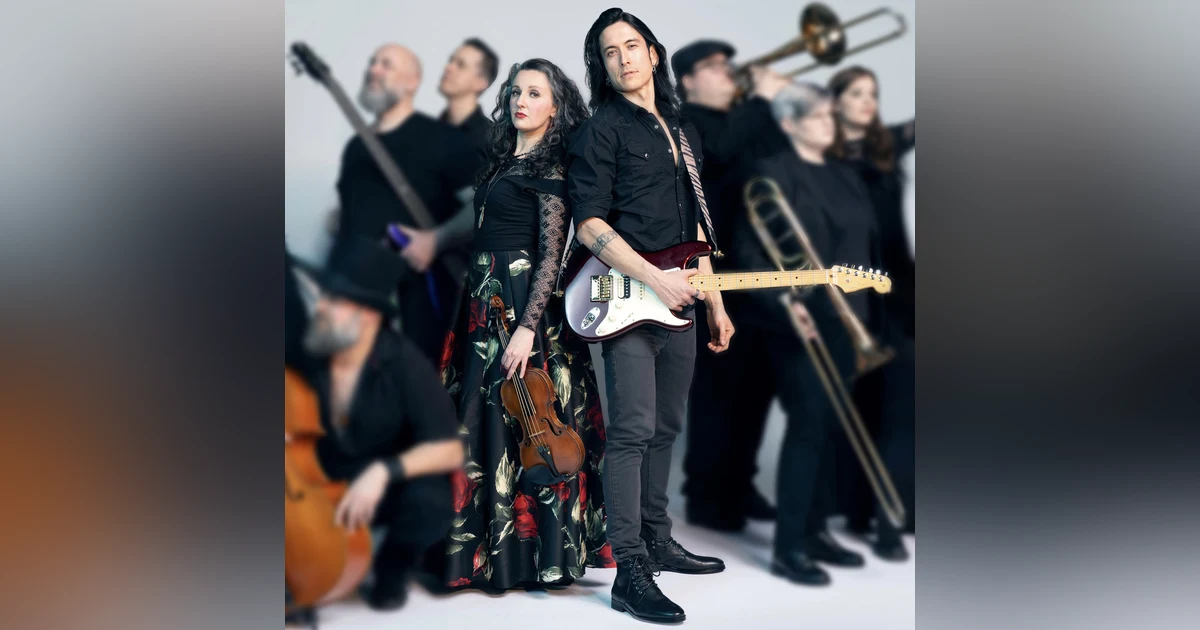
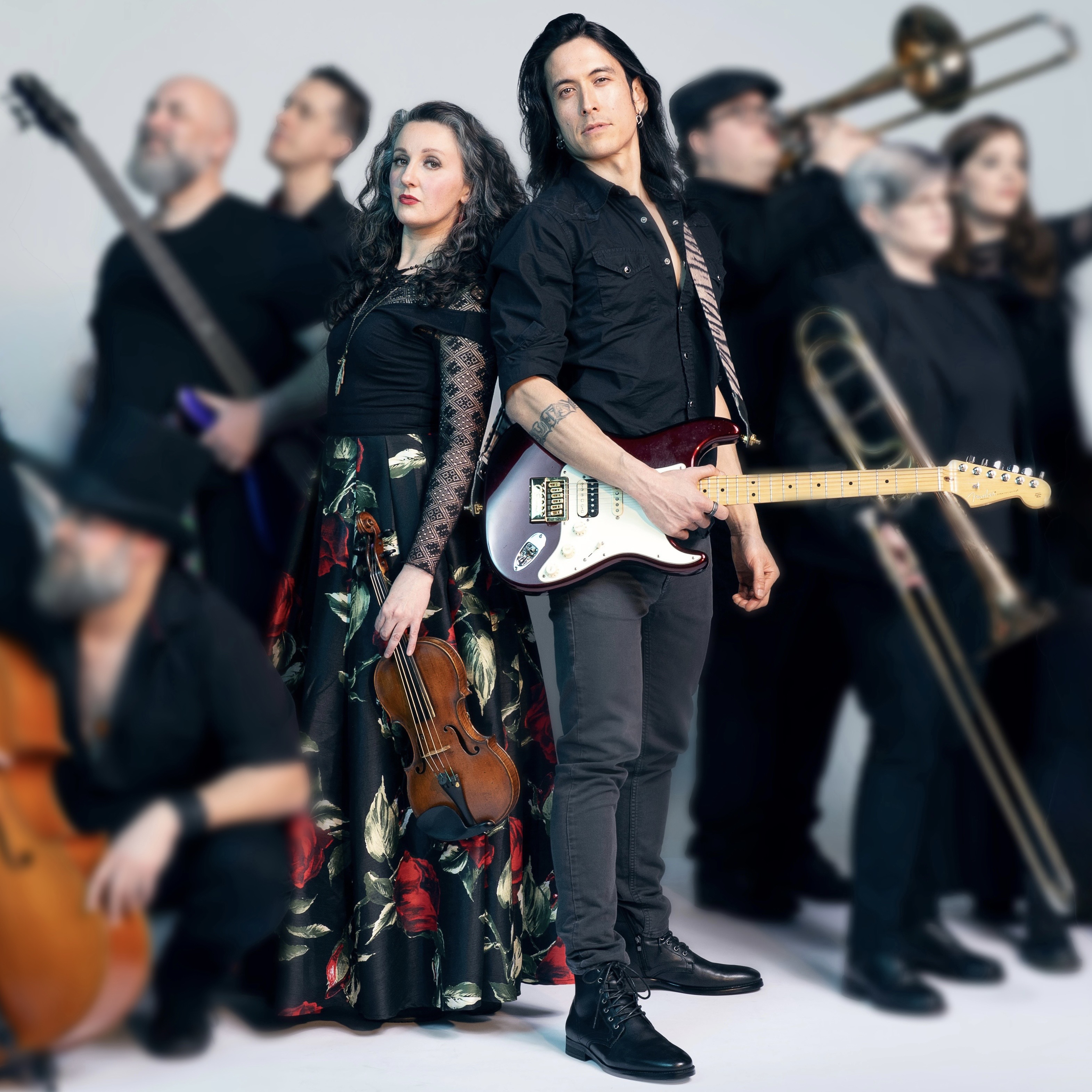
The topic of this week’s show is THE SOUND OF RESISTANCE and joining me on the show is Mike Bell and Elyse Jacobson from Vancouver symphonic funk collective, The Living Orchestra.

We had a great conversation about their debut album, Last Generation – an ambitious climate crisis rock opera produced by JUNO Award-winning and GRAMMY-nominated producer Garth Richardson. And we discussed the difference between creating art that inspires action versus preaching to an audience, climate fatigue and emotional burnout, and so much more!

It was a really great talk and I hope you enjoy it!

FRESH CONTENT LINKS
Mike recommends: Music Declares Emergency + Reverb.org
Elyse recommends: Fuensanta
Jen recommends: Westside Cowboy - Kick Stones (The Boys)

SOTW
The Living Orchestra - Not Gonna Die Tonight

Learn more about The Living Orchestra at thelivingorchestra.com
Learn more about Fritz Media at fritzmedia.ca
Learn more about The FM Podcast at thefmpodcast.com


SPEAKER_03

Hello, and welcome to the FM Podcast. I'm Jen Fritz and I run Fritz Media, a music publicity and digital marketing firm located in Vancouver, Canada. And this is episode number 67 of the podcast. So the topic of this week's show is the sound of resistance. And joining me on the show is Mike Bell and Elise Jacobson from Vancouver's symphonic funk collective, The Living Orchestra. We had a great conversation about their debut album, Last Generation, which is an ambitious climate crisis rock opera produced by Juno Award-winning and Grammy nominated producer Garth Richardson. And we also discussed the difference between creating art that inspires action versus, you know, just preaching to an audience, climate fatigue, emotional burnout, and so much more. It was a really great talk, and I hope you enjoy it. Here's my conversation with Mike and Elise from the Living Orchestra. Well, hello to you both, Elise and Mike. How are you both doing today? Mike, how are you?

SPEAKER_00

Doing great. Thanks for having us, Jen.

SPEAKER_03

No problem. I always get so confused when I have two people on. I was just, I gave them a little pep talk beforehand saying, I'll try to say somebody's name after the end of the question. But if not, somebody has to know that it's their turn, which is Elise.

SPEAKER_04

How are you doing today? Oh, I'm good. Yeah, really good. Glad to be here. Awesome.

SPEAKER_03

It's so good to see you both. Mike, we've met on Zoom before. Uh, we've had some nice Zoom times together talking about your project. But this is our first time seeing each other, Elise. So, you know, nice to almost meet you, I guess. It's not, it's not really meeting, but uh it is kind of. Um, we've worked together on uh your project, the Living Orchestra. And uh so just full disclosure to everybody that this is a Fritz Media client. We like to get that out of the way so everybody knows. Not that it makes any difference, but it's just like I just like to tell people always proud of my clients and my artists. So I'd like to put that front and center. So to get things started here, I'm gonna begin with a question that I like to ask all of my guests. And that is, how did you get your start in music? And Mike, I'll start with you.

SPEAKER_00

Uh yeah, so I I started playing piano when I was five. I was kind of pushed into it at a very strict Filipino piano mom who uh she would put all of us in these classical piano competitions. And then as a teenager, I really got into music, really kind of got into drums and guitar and singing, still playing piano, and then but I started playing in all the school bands and uh I sang in a rock band, I played drums in a punk band. Eventually wound up at UBC School of Music for classical piano, where I realized I I really enjoyed uh much preferred playing in bands and writing music instead of just sitting in a tiny room practicing for like four hours a day. So uh that's when I switched to uh music composition and I met Elise in a music business class at UBC, and she was like one of the best violinists at the school, so I was like, Hey, you uh you wanna try my weird music? And uh The Living was born, and we released two albums, two EPs, and now it's called The Living Orchestra. So yeah.

SPEAKER_03

Amazing. I'll just throw it to Elise the the same question. How did you get your start in music, Elise?

SPEAKER_04

I guess the story goes when I was about well, backing up all the way, I was pretty musical from the time I was a baby. My parents sort of like clocked that really early. Um, that I, you know, all babies respond to music to a certain degree, but you know, there was sort of something else there. And I could sing and tune when I was a toddler and stuff. And so I think they had an inkling that I would be musical. Yeah. And then I guess when I was about four years old, I was watching Sesame Street and somebody was playing the violin, and I told my mom, I want to do that. And so they got me a little violin. Yeah, and I started when I was five. Violin was probably about this way again. Um, yeah. Just uh kept taking lessons, playing in youth orchestras for many, many years. And um, long story short, ended up at UBC to finish my degree in violin performance. Yeah, met Mike in that class, and we've sort of been working together ever since. That was 20 years ago this year that we met.

SPEAKER_03

We're old. Oh my God.

SPEAKER_04

It's been a journey.

SPEAKER_03

Well, that's cool that you guys met in school. That's that's awesome. That's a great place to form community and always a nice place to. I always say that to people like when you go to college or you know, musicians starting out, like, you know, look at the people around you because that's your community and that's who you're gonna be, you know, working with, hopefully, or collaborating with.

SPEAKER_00

I think it's more valuable than the actual education. Yeah, the natural people you have. I agree.

SPEAKER_04

Yeah, yeah, for sure. Yeah, the connections, yeah, definitely.

SPEAKER_03

Totally. Okay, so the title of this week's show is The Sound of Resistance. Uh, and I wanted to talk with both of you about this because your band, The Living Orchestra, just released your debut album, Last Generation, which is a very ambitious climate crisis rock opera produced by the one and only Juno Award-winning and Grammy nominated producer Garth Richardson. I like to say it. I like that he has it that way. Um that's so cool. Uh, to start, I just want to start with like, what does the phrase, the sound of resistance like? What does that mean, what do you think of when you hear that that phrase? What does that mean to you? Elise, I'll start with you.

SPEAKER_04

Uh it's pretty close to my heart because outside of music, I've been an activist for many years for various causes. I guess from feminism to anti-racism to immigrants' immigrants' rights to the environment, you know, a million different things, animal rights as well. Yeah, Mike and I also, for much of our working relationship, have incorporated advocacy into our music. And um, I really do believe in the power of the arts in general as a vehicle for activism and a vehicle for change. I think artists play a vital role in every social movement. I'm really proud to be a part of that. And I take it very seriously. I feel like it is part of our duty as artists.

SPEAKER_03

I a hundred percent agree with you. And I wish that more artists would be that way, especially where we are in the world right now. It's like, yeah, I do too. You know, take a stand. Right. What are your values? What do you stand for? Yes. That's all part of you as an artist. Yeah. And I think so many artists are just like, separate the art from the artist, you're a musician, shut up and sing, blah, blah, blah, blah. But I do think it's just so important and intrinsic. So I'm I'm glad to I'm glad to hear that. Mike, what it what about you? What does it make you think of the sound of resistance?

SPEAKER_00

I I pretty much agree with everything Elise said there. And uh yeah, I think so. I think in in the context of the album, it's just speaking against injustices, but like greed, because I think I feel like every problem just comes from greed, like injustices, the climate crisis, because it's just people taking way more than they need at the expense of the planet, deforestation, drilling, like data centers. Uh, one of the songs, Liar Denier, it's based on a true story about how Exxon actually knew about global warming like as early as the 70s, but they suppressed their own scientists from telling anyone. And then they hired other scientists to spread misinformation, and that's pretty much where climate denialism came from. And thanks to that, like there's still people that don't believe in climate change. When like we could have done something back in the 70s, but profits won.

SPEAKER_03

Friggin' profits. Yeah. They always win. So, you know, as we mentioned, the Living Orchestra's latest project, Last Generation, tackles climate anxiety and environmental issues through music and storytelling and also visual effects in in your live show as well. Like you guys kind of take it to even an another level other than just the music. Like a rock opera, first of all. That's a big undertaking. Like, who's doing rock operas anymore, right? But like to, you know, take it to another level. You have like how many people in your band, and and then just to have this whole visual sort of thing to go along with it. What first inspired you to take on such a a big subject, Mike?

SPEAKER_00

I guess, yeah, I've always really cared about the environment. One of the reasons I went vegan in 2010, along with Elise. And yeah, like recently, um, oh yeah, in 2023, basically, like we got we got a kind of council for the arts grant for I applied for it for the living orchestra. It was kind of like double the size of the living that we had before. So like 13 people. I just had all these songs written out and everything, and um just wanted to make this one huge. And and we actually got the grants, and then and they were like a mix of songs, you know, some for advocacy, some kind of more fun songs. And but then something happened where we live in Point Roberts. It's like an hour from Vancouver, but it's very green area, tons of forests and everything. It's beautiful. And me and my wife have a little house here with a and when we moved in, it was just this lush forest in the backyard. And uh one day we do we hear machinery and chainsaws, and like we we read about deforestation and things like that, but like seeing like hundred-foot tall trees like right in your backyard, just and feeling them hit the ground and stuff, like it's it's brutal. Like, yeah, I feel like those kind of emotional experiences like real can really drive you to um do things like this. So I just decided like I I just couldn't really write about anything else. So we got that grant, and I'm like, actually, I don't know if I want to record these songs anymore. Like I just had all these other ideas, like I feel like this needs to be done. Like, so the the only song that stuck around was Animal Party because I wrote that during the pandemic when like animals were coming out in cities and stuff.

SPEAKER_01

And it's yeah, yeah.

SPEAKER_00

I just saw the footage that it just looks amazing. So I just tweaked the lyrics to that. But all the other songs, I just like got obsessed with climate change and read more books and just researched. I I got into like the climate book by uh Greta Thunberg. She interviews like a hundred hundred plus experts on climate change. That was eye-opening and and just seeing like just getting frustrated about how the Paris Agreement, like not one country or barely any countries have met their goals over 10 years, and it's like that's which is insane.

SPEAKER_03

It's like what you just said, like earlier about how like we've known about this for so long, and nobody it's just like, are we gonna do something? Are we gonna do something? Are we gonna do something? And now it's just like it's too friggin' late. Like, but it's like Yeah, what the hell?

SPEAKER_00

Yeah, and it's it's not enforced in any way. It's just kind of like, whoops, I didn't make it, sorry, and and like and then Yeah, sorry guys, yeah. And then like zooming into like the the the forest back here, it's like, why were they cleared? Not just for like housing, they're cleared for the view for potential vacation homes, which have still not even been built. Oh my god. Um, and so it's just it's just a tree graveyard back there. And it's like I I we even called the county and and they said there's even rules in place that like um you're only allowed to remove like 30% of your trees, not like a hundred percent of your trees. And we're like, okay, who enforces that? Uh it's like the same kind of thing. So we just saw that as like a microcosm for just like everything wrong.

SPEAKER_03

Yeah.

SPEAKER_00

About climate change and everything. So yeah.

SPEAKER_03

Oh my God. That is that is insane. Yeah. I think that, you know, like what we're talking about is like many people feeling overwhelmed by the state of the world right now. Like, I mean, you you're an activist, uh, at least I Mike, I assume you are as well. So uh there's so many different causes that we, you know, have to pay attention to and uh educate and advocate for. So it's just like when everyone, anyone asks how I'm doing, I'm like, I don't know. Look at the world. I don't know what to I guess I'm okay. Like, I don't know. You know, it's so much. Do you see? I mean, I think you've kind of already answered this, Elise, but maybe we can speak to it a little more. But do you see music as a as a way to process those feelings and inspire action? Like, is it both of those things?

SPEAKER_04

Uh yeah, I would, I would definitely say so for sure. Um, there's uh Nina Simone said something in an interview once that I that just kind of like plays in my head all the time. She said, an artist's duty is to reflect the times. And I I think about that all the time. And it does sort of like it resonates with me and drives a lot of what I do. And I feel like, yeah, we we need to reflect the times, we need to shine a light on some of these issues. You know, sometimes music or art, it can be a way to bring awareness to something that people are not necessarily paying attention to otherwise.

SPEAKER_03

That's true. Yeah, yeah. And with our like failing media landscape as well, like there has to be a record of it somewhere. I feel you know, at the very least, music does last forever. Yeah, that's true. So that's true. You know, at least we have that. Activist art, I know sometimes it gets a bad rap. Um, sometimes people think it can be a little bit preachy, you know. Like I said, shut up and sing, just play some music. Like, you know, some people have to feel a certain way about it. How do you guys kind of balance delivering a message while still creating, you know, something entertaining and engaging and and emotional too?

SPEAKER_00

Well, yeah, it's a very, I feel like it's a very hard, tight rope to walk. And I think no matter what you do, like some people are gonna get offended and think you're being preachy. So that's true. But yeah, I can see like I totally get it. Like nobody likes being told what to do. So I feel like showing instead of telling, like telling a story or like making a story and not just be like, oh, you should go vegan or something.

SPEAKER_01

Like, yeah, that's true.

SPEAKER_00

Showing like a story that that is also like entertaining, like you're saying, if the like like I felt like this was kind of like maybe the musical equivalent of like a like a climate disaster movie where it's like it's thrilling, it's action-packed, there's dark moments, there's funny moments, it's theatrical, it's fun, but it's got a serious message too. So yeah.

SPEAKER_04

It can be a tough balance to strike. I mean, I remember in a few of our lyric writing sessions, Mike brought me drafts of certain things, and I'd be like, Oh, that's like a little on the nose, you know. It's not, yeah, maybe we should find a more poetic way to say this, or you know.

SPEAKER_03

Yeah, let's let's take that back a bit. Yeah.

SPEAKER_04

It's not even that you want to like dilute the message or whatever. It's just that sometimes you gotta be a little like like finesse a little bit, you know? Yeah. Make it like poetic or something instead of just a straight up like protesting, you know.

SPEAKER_03

Right. Right, exactly. Looking back um on the audience reactions uh so far to your music, I mean, your album just came out, but you know, uh first of all, like you guys didn't release it in a traditional way. So I think I kind of want to talk about that first because your album is out, but you can't stream it. So so if I, as somebody that wanted to listen to Last Generation, if I wanted to do that, how could I do that?

SPEAKER_00

Well, you go to thelivingorchestra.com and you can order a vinyl CD or digital download, or you can come to a show um and get one of those. But but yeah, I mean we we will release to streaming probably in the fall. But um, we just um we don't even know if this is like the best strategy. It's just uh something we wanted to try out instead of just releasing everything on streaming right at once. And yeah.

SPEAKER_03

Well, you know, it's a strategy. And like like I said to you, Mike, when you brought it up, I was like, it's the wild west right now. So yeah, you know, I I'm always game for anything. And also, like, it's so hard for musicians to make money. So you're making no dollars from streaming. So why not have you know, have give a little time where people can actually pay some money to to own the actual thing?

SPEAKER_01

Yeah.

SPEAKER_03

You know what I mean? Or, you know, give you money. Yeah, it's you're gonna get more money from that than just from streaming is is what I'm trying to say. Yeah. And so what have the audience reactions been like so far to to the music?

SPEAKER_04

Going by, you know, the crowd at our album release show, I was kind of amazed at the feedback afterward. People were, you know, like all kinds of people came. Obviously, a lot of our friends came and, you know, colleagues, people that we know and stuff, but people that we didn't know also came. And that's always good. Yeah, yeah, it was great. And um, yeah, and I heard I just heard nothing but good things. We had the lyrics projected, you know, on the back wall so people could actually read the lyrics instead of just hearing them. And yeah, yeah, I think it sounded like people were very moved and very pumped. You know, everybody like the energy was very high afterward. And so that was typical. That's awesome.

SPEAKER_00

Yeah, I feel like it is different than all our other album releases. Like for one thing, I think having the visuals with the lyrics um just makes it really clear what all the songs are about and what the whole album is about. Yeah. And um, so people can see the message. And uh I I just getting comments like we've never gotten before, like just like like I love the music, the lyrics, the message, like all like I've never before it was kind of like hey, great music, but like, you know, you don't always hear what the singer's singing about, like, or like can make sense of it if you don't have the lyrics there and it's a song you've never heard before.

SPEAKER_03

So I think it can be really effective. I mean, there's huge artists that do that in stadiums as well. You know, like even like a band as huge as you too will do something like that. Do you know what I mean? If you have a message to get out, you can get it out to all of those people that are sitting in the room with you, right? So it it can be very, very effective to do that. You know, doing an album like this, I'm sure that you you want to get the the message out and and you're hoping, you know, to get people, I guess, on, I don't know, on side and to to to maybe educate them a little bit. I mean, if listeners take just one thing away from from the band and from from the last generation, what what do you hope that is? Like if somebody's like, I want to get into this album, what would you hope that a listener gets out of it?

SPEAKER_04

Uh I think more than anything else, I would hope that people are inspired to action. You know, I think we're just at a point now where we we just can no longer like sit in our feelings about what's going on. Everybody needs to be doing something, you know? And it's it can start with small things. It doesn't have to be like, you know, some kind of huge life-changing um activism thing. There's all kinds of little things that you can do. But yeah, I feel like we all have to kind of be in the spirit of collective action. We're all a part of something. We're not just passengers or observers, we're all active participants, and we can choose to either be a part of the problem or a part of the solution. So it's true.

SPEAKER_03

And you can just start with one little thing too. I think people maybe get overwhelmed or think that they can't do anything or whatever they do isn't gonna make a difference. But yeah, I think just being a part of the movement, as you said, can always also it feels good. Yeah. To like, you know, if I'm feeling overwhelmed and I just go to a protest, that feels better to me because I'm like, all of these people feel the same way as I do. Right. And and that in itself can feel really good.

SPEAKER_04

Yeah, just to know that you're not alone, right? Yeah, for sure. For sure. There's millions of people, billions of people who want the same thing. You know, we want a livable planet and clean water and clean air and not just for us, but our children and their children, you know. So if we all work together, maybe we can make it happen. But obviously, if we sit around and do nothing, it's not going to happen.

SPEAKER_03

It's not nothing's gonna happen because yeah, so far, so far, not great, guys. Right, exactly.

SPEAKER_00

Yeah. I I feel like it, yeah, I feel like it also just feels really good as an artist when your art aligns with your values, because I think a lot of people have been in bands where it's like, it's just really me, but uh, whatever. We're we're doing good as a band. So it's paying the bills or or whatever. Yeah, it's fine. But like I would love if just more artists did that kind of thing. It it's I I've been playing with the idea of like, oh, it could do like some sort of like climate festival or something. And then I'm thinking like, which bands? Like, like who? So anybody out there?

SPEAKER_03

Yeah. We could use some people. Yeah, but if anyone wants to get a little bit more vocal.

SPEAKER_01

Yeah.

SPEAKER_03

Yeah. You know, maybe step it up a little bit. That would be great. Oh, man. All right. So wrapping things up a bit, I I just wanted to ask what might be a tough question. I don't know, but I'm gonna ask it anyway. Resistance is often associated with with fighting against something. What would you say you're fighting for?

SPEAKER_04

Off the top of my head, just uh a better world, you know. I I believe that it's possible and I believe in working towards it. Yeah.

SPEAKER_03

That's hopeful. I do like that. Mike, what do you think?

SPEAKER_00

I mean, same. Thing I feel I just the planet, just a habitable planet, actually in general, because like if we don't have that, we don't have anything else.

SPEAKER_04

Like not yeah, there's nothing more important. Yeah, it's true. Right.

SPEAKER_03

Like that's it. Uh we need to live.

SPEAKER_00

That's it. It's game over.

SPEAKER_03

We want our children to be able to live, we want to live. Like I I think that it's just like we're here because the thinking is it doesn't matter, I won't be here.

SPEAKER_04

Yeah.

SPEAKER_03

You know, I a lot a lot of that. Like it's like if we could have started so long ago, and then they're just like, well, it doesn't matter. You know, we're not gonna be here, so it's funny. There's enough people that think differently. That's what I tell myself all the time. I'm like, I'm not alone in my thinking, it'll be fine. I which is why I like that your your answer was I'm always looking for hope.

unknown

Yeah.

SPEAKER_03

Place. All right, so now's a good time to head on over to our fresh content segment. Every week on the show, we discuss our favorite piece of music content for the week, and we always like to start with our guests. Um so, Mike, I'll start with you. What have you got for us?

SPEAKER_00

I'm sure I was actually gonna mention the uh the Kylie Minogue documentary, but you mentioned that like a couple episodes ago. Oh it's amazing. Oh, yeah, it's amazing. Yeah, I mean, I just always loved her voice, even though like some somebody's uh like one of her critics said she sounded like a chipmunk. But I feel like that was just like a reminder to like to lean into to your unique voice.

SPEAKER_03

She sounds like Kylie.

SPEAKER_00

Yeah, exactly. Nobody sounds like that. So and yeah, just everything she went through and everything. But yeah, since since you mentioned that, uh the the thing I in the spirit of the episode, I wanted to mention um Music Declares Airs Emergency, just another just an organization that lends uh music and climate activism, and another one called reverb.org.

SPEAKER_04

Amazing. Elise, what about you?

SPEAKER_03

What do you got?

SPEAKER_04

Yeah, there's an artist that I've kind of been obsessed with for a little while named Fuen Santa. She's Mexican, I think based in Amsterdam now. Um, and she plays the upright bass and sings, and her music is like unlike anything I've ever heard. Her whole band is incredible, these like uh really interesting vocal harmonies and all this stuff. So yeah, Fuen Santa, definitely check her out. Ooh, I like that.

SPEAKER_03

Check that out. I definitely like the sounds of that. That sounds that sounds amazing. Okay, so my fresh competent for the week is a band from Manchester, England. Uh they're a band called West Side Cowboy. And their new song was it was just uh released at the end of May, and it's called Kickstones, parentheses the boys. And it's an incredible rock song. Like we don't have enough good rock songs these days, you know. You know what I mean? It's just like an old school good rock song. And it really feels big in this way that it feels like it was written for like an arena, but they're like still playing in clubs. Do you know what I mean? Like you can just sometimes you can hear that in a band where you're like, I could hear this played in like a huge arena or or a stadium or something like that. It has an incredible guitar, and the guitar playing in it kind of reminds me of the edge from you two. Not to like talk about you two too much in this episode, but but I mean the edge is so distinct that like it has that, like when you hear that that that tone, that uh it has that, which is maybe why it feels so stadium, stadium ready. But anyway, it's really good and the the video is really cool too. Um, it's kind of a love, I don't know, I guess like a love letter um to Manchester United, and it was made in collaboration with the Manchester Uh Football Club. So if you've got like World Cup fever or if you're a big fan of Manchester United, it's a really cool, fun, fun video, and the the song is great. So check that out. West Side Cowboy Kickstones. I'll link to that in the show notes as well as um both of your uh fresh content picks as well. Thank you so much for joining me, you guys. I I really appreciate it. If um, I know you already mentioned it once, but we'll mention again. Where can people find you if they would like to find out more about find out more about you?

SPEAKER_00

The livingorchestra.com. All our music's there and um, yeah, all our handles, our Instagram and everything. Elise also has her own website.

SPEAKER_04

Yeah, my website is elise theviolinist.com. My first name is spelled E-L-Y-S-E.

SPEAKER_03

Awesome. All right, well, thanks again, you guys, and uh have a good day. Bye.

SPEAKER_00

Bye.

SPEAKER_03

What a great talk that was. And I want to say thanks again to Mike and Elise for coming on the show. Thanks so much for listening to the FM Podcast. If you like the show, please tell your friends and give us a five-star rating and review in Apple Podcasts. You can also help us out by telling a friend about the podcast or posting about it on your socials, you know, whatever you can do. As always, we'd really appreciate it. The FM Podcast is produced by me, Jen Fritz for Fritz Media, with production assistance from Carla J. If you'd like to learn more about Fritz Media, go to our website, Fritzmedia.ca, and to learn more about the podcast, go to the fmpodcast.com. A big thank you to said the whale for providing the theme music for the show. Okay, so we're gonna go over our song of the week this week, which, of course, is gonna be from the living orchestra. This is not gonna die tonight. Bye. See you next Tuesday.