
69. Navigating The Modern Music Industry with Bob D'Eith

 Apple Podcasts
 Spotify
 iHeartRadio
 Amazon Music
 YouTube
 RSS Feed
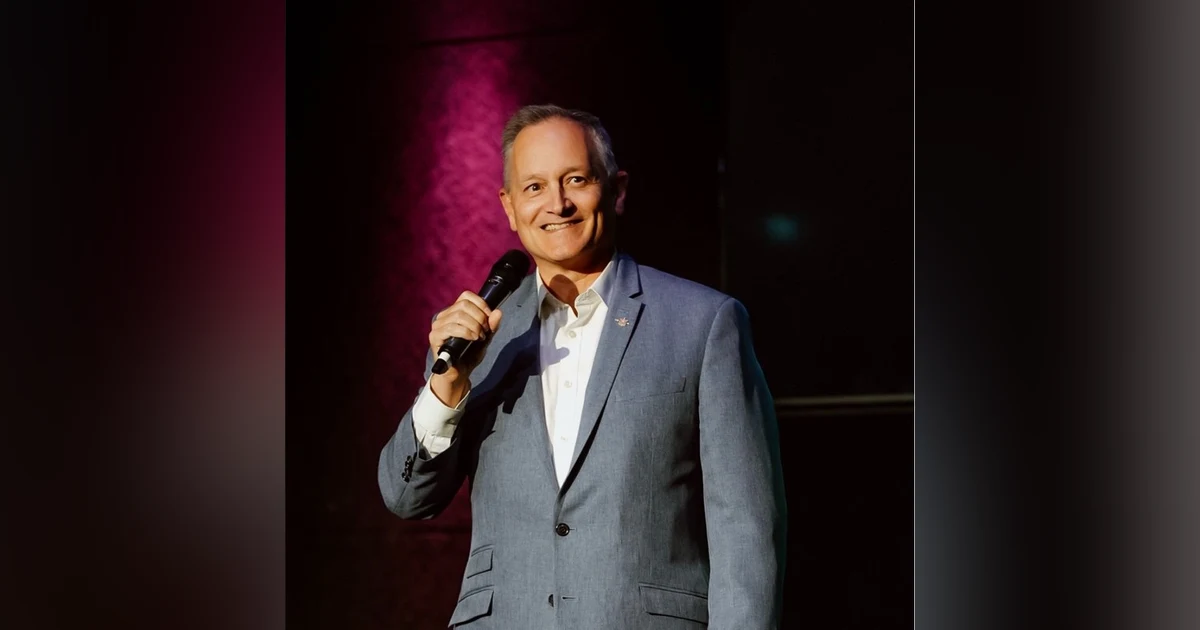
 The topic of this week’s show is NAVIGATING THE MODERN MUSIC INDUSTRY and joining me on the show is a man who’s done it all! He's a musician, entertainment lawyer, author, and even spent some time as an MLA and Parliamentary Secretary for Arts and Film here in British Columbia – Mr. Bob D'Eith.
We had a great conversation about the 3rd edition of his book A Career in Music: 10 Steps to Success and discussed the constantly changing music landscape and how and how artists define success today versus 10-20 years ago. We touched on topics like: AI, streaming and royalties, copyright issues, social media and audience building, government support for artists in Canada, and so much more!
It was a really great talk and I hope you enjoy it.
FRESH CONTENT LINKS
Bob recommends: Angine de Poitrine
Jen recommends: GO SEE LIVE MUSIC!! Inspo from LCD Soundsystem!
SOTW
Door d'Or - What You Want
Learn more about Bob D'Eith at bobdeith.com
Learn more about Fritz Media at fritzmedia.ca
Learn more about The FM Podcast at thefmpodcast.com
SPEAKER_07
This week still is navigating the modern music industry. And joining me on the show is a man who's done it all. He's a musician, an entertainment lawyer, author, and he spent some time in politics as an MLA and parliamentary secretary for arts and film right here in British Columbia. And his name is Mr. Bob Beef. We had a great conversation about the third edition of his book, Career in Music, 10 Steps to Success. And we discussed the constantly changing music landscape and how artists define success today versus 10 to 20 years ago. And we touched on topics like AI, streaming and royalties, copyright issues, social media, audience building, and even government support for artists right here in Canada. And so much more. It was a really great talk, and I hope you enjoyed it. Here's my conversation with Bob. Well, hello, Bob. How are you doing today?
SPEAKER_01
Hey Jen. So nice to see you.
SPEAKER_07
Good to see you. I actually can't remember the last time I saw you, to be honest. Do you even remember the last time we saw each other?
SPEAKER_01
I don't know. It's been uh been a few years, but uh it just seems like yesterday. You know, it's it's funny how that goes. I mean, we've you've been in this business as long as I can remember. And so uh, you know, it's it's pretty cool.
SPEAKER_00
It's too long. Too long, you know, absolutely too long. I'm just trying to be nice about it, right?
SPEAKER_07
Yeah. You know, Jen, you've you've been in this business for a really long time.
SPEAKER_00
Oh, jeez. Yeah.
SPEAKER_07
No, I mean, but it's true. Yeah.
SPEAKER_01
I mean, you've been like I ever since I've been in the industry. I mean, you know, the Jen, you've been a publicist, you've been doing this for such a long time. And so it's just nice to see the likers hanging in there.
SPEAKER_07
You know, yeah, the people that are are like, I don't know if we're the stupid ones or you know, if it's hard to say.
SPEAKER_00
We don't know anything else to do until we're doing this.
SPEAKER_07
Yeah, it's like, I don't know. There's a lot of transferable skills that I have, I guess. Um, but and you know, I've done a lot of other things, but you know, for now I'm still here. So that's that's where we're at. So as long as until it kicks me out, which it probably will eventually.
SPEAKER_03
So I doubt that.
SPEAKER_07
We'll see. Um to get things started here, I'm gonna begin with the question that I like to ask all of my guests, and that is how did you get your start in music?
SPEAKER_01
Well, yeah, I mean, we could go right back to when I was in Montessori and my my teacher discovered I had rhythm and my mom put me in the piano lessons. I mean, that's sort of the start of of it. And uh but really professionally, I would say it wasn't actually until I mean I did some professional work as a musician right through my teenage and early twenties, but I didn't really take it seriously uh actually until I got out of law school.
SPEAKER_03
Okay.
SPEAKER_01
That's interesting. Yeah, and that's and that's when we started up Rhymes with Orange in the early 90s. And so I had this, I don't know if you know Kurt Dahl once.
SPEAKER_02
I know, yeah.
SPEAKER_01
Yeah, Kurt Kurt's similar, you know, he had drummer lawyer. I was uh keyword player lawyer at touring and trying to juggle both. And that was before the internet.
SPEAKER_07
Yeah, what a time. What a time.
SPEAKER_01
I remember stopping at like phone booths and phoning clients and everything had to go by facts. And it was just I mean, now I think it's it's possible. I do so much of my work as a lawyer online now. And so uh that's that's would have been a lot easier. Oh it's it's yeah, way, way easier. And yeah, I might have not have had to luck leave the road. I mean, I had to leave the road, it just I couldn't I just couldn't balance the two. It was impossible. And but then it was fortuitous because then I started my my studio project Mythos, which is just celebrating its 30th year, and we put out a whole bunch of records and yeah, got you know, awards and billboard and all this fun stuff over the years and kept me kept me sort of in it because I always feel if I'm not creating, I'm not living. Even no, I'm the same way. Yeah, I had a professional career as a lawyer and running PC or being even in politics, I still have to write. I still have to create. If I'm not, I just get grumpy and my family hates me to be right.
SPEAKER_07
No, I hey, I'm the same way. That's that's I mean, there's a reason I started this podcast for sure. Uh, and it was for that reason. I mean, I used to work in radio and I just missed miss doing it or actually creating something for myself. So it's I don't know. I think it's an important part of life anyway.
SPEAKER_02
Yeah, absolutely.
SPEAKER_07
Yeah. Um, so the title of this week's show is Navigating the Modern Music Industry. And uh I thought you'd be a good person to talk to about this because, well, just be, I mean, first of all, your background, you have so many different facets of the industry that that you know. And also you just released the the third edition of your book, oh, which I have here. I'm gonna do a nice little David Letterman sort of A Career in Music and uh 10 Steps to Success. And you just released the the third edition uh of this book. What prompted you to revisit the book now and do like a new edition of it?
SPEAKER_01
Well, frankly, the last edition was 2018. And if you figure what has changed since 2018 to 2026, it's unbelievable. So it needed a really deep rewrite. And a lot of the chapters, some of the chapters are very similar in terms of songwriting and recording, but the digital chapters, the social chapters, adding AI throughout, um, just trying to rethink things, also some developments in the law and in the business. So I just wanted to try to make sure it was up to date for folks and and still relevant to people because it's it's hard enough to get people to pick up a book, but make it if they do, uh make it relevant. And and so that's why I've also done an audiobook version, I've also done a Kindle version, uh ebook version, and a physical book. But I'm just trying to end up doing podcast versions, any way I can get it out to folks, because I really feel as you know, I mean we worked with uh we've worked with up-and-coming artists for many, many years, and uh some some things never change, is that most artists do not want to deal with a business. I understand but more more than ever before, you you really do need to embrace the business and understand it. And the way to get to the relationships you want, whether that's a label or manager or publicist or publisher, you know, you have to get yourself to that next level. And so really that's what the book's about. How do I get myself to that next level and how do I sustain it over a long period? And you know, a lot of people are looking for someone else to jump in, yeah, help them. Always um and at the end of the day, nobody's gonna care more about your career than you. So it's small to to take advantage of that.
SPEAKER_07
No, that's that's very true. And you know, you mentioned like some of the things that have changed, AI probably being would you say that's probably the biggest change?
SPEAKER_01
Yeah, I I think just also the way social media and the streaming organizations just they keep changing and changing and changing all the time. Like it's just writing a chapter on social media and streaming is you know, as soon as you print publish, it's obviously old news. Yeah, trying to stay general because it's always going to change. But AI is having a profound impact generally on everybody's lives. But of course, just like Napster back in the day, creative industries or music in that case, and music now is is sort of at the front of this technological revolution. And we can talk about it later, but there's you know a whole bunch of cases that are propped up, um, particularly around uh Suno and other you know music producing apps that scrape the internet for copyright and basically regurgitate to similar. So scary, man. I know. And it sounds and like frankly, it does it sounds good. I mean, I'm not saying it doesn't sound okay. It's just it's incredibly it is literally derivative.
SPEAKER_07
Yeah, that's the thing. Yeah.
SPEAKER_01
I mean, it's not it's not gonna be creative. It might be a tool to see what your song sounds like as a country song. I mean, that's great. But in terms of actual commercial release, you know, I mean, at this point it's got very limited use in that respect. And and also sh well, it's some ethical decision. You know, you are you you're using other people's copyrights to basically generate these works and you know that I mean I don't know if you s saw this, but recently the musicians union is fil filed a uh big lawsuit in the States because with union contracts there's reuse and new use fees that kick in if it's used like let's say in a film or other things. Uh and so the AFM saying, Oh, this is clearly a new use. So there should be a brand new payment and uh you know ongoing royalties for that. And we'll see how that goes. And of course, all the performing rights is organizations are you know, J Gemma just won a lawsuit in Germany, Gemma uh they they just uh that's just at the lower court, so it's already gonna be appealed.
SPEAKER_03
Yeah.
SPEAKER_01
But uh the same in Denmark, that's uh there's another one there. Uh the US is a all the majors are involved in lawsuits. Warner Setter, but I I know Universal and Sony are still going hard at with litigation because it's their copyrights, it's their They own the music, basically. Yeah, they own the sound recordings and the and the music and and then of course with the AFM it's the performance. So there's always three different things, you know, the performers. I mean you think of Elvis's voice, that's very unique. If you're using that to generate an Elvis sounding property, you're actually not just using the recordings, you're using the voice, you know, and so there's a number of copyrights. It's not just one, it's it's all of them. Yeah. Yeah. It's been this massive free-for-all up to now. And unfortunately, we're not seeing a lot of pushback in it to particularly from the Trump administration regarding what the tech throws are up to generally with AI. And so we're probably gonna see a lot of this will be thought out in the courts where it would be really nice if this government stepped up and actually regulated this property. And you know, some j jurisdictions are trying. Canada did have uh at the beginnings of an AI act that unfortunately fell with the lost government.
SPEAKER_02
Yeah.
SPEAKER_01
Um and has yet to be sort of brought back. But um but yes, it it's it it it's and and the thing is is as we're talking about it's already hard enough to use Yeah, well that's it. Yeah, you know, it's already hard enough because streaming doesn't pay what selling a CD used to pay. I mean, just I mean, if you look at it practically, a CD, you used to be able to sell those off the stage or in stores. I I remember in Rhymes with Arms we used to go down to you know A and B Sound or Sound the Record Man and set you know bring boxes of CDs on consignment and they'd sell and we could fund a tour with it. And yeah, you know, we'd be on the road doing that with t-shirts and CDs and and and I know a lot of musicians now are trying to do vinyl and CDs and other merch that are helping, but uh that sort of that core revenue is gone. And yeah, that's really, really hard for artists. And so you figure, well, the streaming companies should step in, but it's it's really the way the algorithms work, it's really I think it it actually pushes new artists down and it lifts.
SPEAKER_07
It 100% does. I I do uh I agree with that. It's very, very hard for indie artists. In fact, would you say like if you were if I like asked you um what's the biggest difference between building a a music career versus say like 10 or 20 years ago to now, would you say it's that equation that like is the like just the whole artists can't get revenue from their music in the same way that they used to? Would that be the biggest thing?
SPEAKER_01
I think it's one of the key issues. I I still think I've always felt this. I think live is still viable. I mean, it's the way that musicians generally have made the most of money. You think of Taylor Swift. Where does she make her billion dollars in the last couple of years? It's touring. Yeah, tour, right? So and and merch. And merch, which is part of that. So so I sort of equate the merch as part of your it's all part of the whole touring. Yeah, yeah. You can try and sell it online, but the reality is it's a you you create a memory for somebody, or you you know, you you you move them in some way when you're live and they want to remember that experience, so they buy a piece of merch. I mean, yeah, that's the old Tom Jackson, you know, like you create the moment and people want to remember that. So I I really feel that live is still a very important component, but there's other issues that have been challenges on the live front, too, because you think of all the venues, because of housing and all of these things that have just disappeared, you don't have the same sort of that ecosystem. Because I remember when when I started, you sort of had the you know, the hunt the hundred person room and the three and then the five and then the seven and then the thousands. And then you know, you had this sort of continuum, and that that that went right across the country, and you could sort of tour at a certain level all the way up. And now there's these, it's sort of like going up a ladder where two or three of the rungs in key spots are missing. And so you're like looking up at the rung three up, how do I get there? Whereas before you could just slowly go up a ladder and you could make it up there. So I think the key is now how do we bridge the gap between those rungs that are missing, you know, and that's that's really tough live. And I'm not I don't have an answer to that, but I do feel that people still want the live experience. They really do. You just see that. I mean, look at FIFA. I mean, that was a a live engagement of a billion people. I don't know, whatever it was like all over the world. Like people come out, they want to be together, they want to celebrate together, they want to, you know, cheer their teams on. People like that, they love that, right?
SPEAKER_07
It's so it's so funny that you're saying this because this is actually my fresh content segment segment, but I'll just throw it away because I have a bunch of other ones. Um, but that is my fresh content segment, is going to see music live, like just broadly, or just art in general in a communal setting. Like even just a movie hits you different when you're at a theater.
SPEAKER_01
Um I mean, I I haven't seen it yet, but I can't wait to see uh the Odyssey. I mean, I incredible. I can't wait. And I just haven't had a chance to get to the theater. And I mean, I know there's spoilers, but you know, it is a well it it's an old text.
SPEAKER_00
It's like, you know, it's like we we kind of know the story, right? So it was incredible though.
SPEAKER_07
It blew it blew me away, actually. Um I had high expectations, but it really knocked them out of the park.
SPEAKER_01
So okay, so I'm definitely going enough. But but that's the point. I think people do want to do live, and there's been this transition. I think you think about the music industry and how many hits it's taken over the last couple of decades, whether that was, you know, the collapse of the physical market and then no revenues for ages, then all these 360 deals, and for folks who don't know what that is, that's basically where managers or labels or publishers take all of an artist's rights and not just the thing they're working on. And so now they're signing these deals that take all their rights, and and then you get COVID and all the venues are closed for a couple of years. Yeah, and then post-COVID, where things are slowly coming back. But uh, you know, when I was in government, one of the things that we worked on was how can we keep these venues and these festivals alive so that artists have something to come back to, that people have something to come back to. So what are we fighting for? People have nothing to come back for to. But even with all the money that we were able to put in, it's still a struggle.
SPEAKER_03
Festivals are struggling, festivals are festivals are shutting down, yeah.
SPEAKER_01
Shutting down, and they're trying they tried so hard to come back, and some have, some haven't. And when I was the parliamentary secretary for some film, we we had the Paris Festival events funding uh during COVID, and then after we managed to keep it going for two more years, but it was always supposed to be one-time funding, and it ended up being three years.
SPEAKER_03
Yeah.
SPEAKER_01
Because we knew how tough it was to restart. And it it's just because of all the other challenges in the world, it just isn't the money in government that that was there before to be able to fund these kinds of things because we sp we just blew so much money on on the pandemic.
SPEAKER_03
Yeah.
SPEAKER_01
And now we're in deficits, and now there's global challenges of tariffs. I mean, it's a whole it's everything. It's a whole thing. But it all, you know, I know that's a down the rabbit hole thing, but I mean it does impact musicians and the music industry in such a profound way. Yeah. Because, you know, if people don't have disposable income, you know, they're gonna pick and choose what they go to.
SPEAKER_07
And it's well they uh they also might not get a publicist. Uh like it right down the line, it affects everybody. And yeah, the industry, right.
SPEAKER_01
So how can you afford the a publicist if you don't have the revenue to pay for it? And yeah. So that's why government grants are very important, I f I feel, especially in Canada where we don't have the you know the venture capital like in the states. I mean, I'm in the I'm in the middle of a bunch of deals with you know with working with music in the States. I'm not you know, I'm not their lawyer, but I mean just and there's this giant company raising hundreds of millions of dollars and buying up network and other, you know, uh MonsterCat and others all all over the all over the world, right? And consolidate you know, having all this big consolidations and big money, right? But what does that what kind of impact does that have up on the Canadian industry? And where is the money to start things up here? You know, when even our key companies are in a sense selling their catalogs down south or yeah for to global uh conglomerates. So my my point being I I really feel that in Canada particularly we still need a strong granting and loan process for government. Then and it's um tough because I was gonna if it's okay, we can go to this display. Well, that's fine.
SPEAKER_03
Yeah.
SPEAKER_01
But one of the things that's come up recently is the streamer, the streaming companies, the big ones, you know, Netflix and you know, uh, you know, the Amazon and the, you know, all all all the big ones were supposed to pay five percent of their their revenues to Canadian development. And uh that was through the CRTC and they bumped it up to 15%, which is a lot. And then recently the government, I think this in June just said, nope, we're not gonna do that at all. There wasn't gonna be any five percent, you know, we'll we'll just we'll put six hundred million into a fund for you know audiovisual and music and and others. But the problem with that is that that's uh it's that's a one-time thing. There's no growth strategy. I I know the Fed I know the federal government said they're gonna look at a new formula, but that could take years, years, you know.
SPEAKER_07
Yeah, how many different time like they'll talk about it and talk about it and talk about and talk about it.
SPEAKER_01
Yeah, yeah, yeah. So it's it's not like the end of the world. I mean, the government has said that they will step in and fund the Canada Music Fund and Factor, they'll fund Star Maker, they'll they'll fund some community radio, that they'll fund these things, uh, Indigenous works, uh, which is great. But again, it's it it's not ongoing, steady, reliable funding. You know, you really it's nice to know that that's in place. And that is what the the pro the prospect of the streamers, in a sense, replacing what the broadcasters used to have to do with the Canadian content development funding. Yeah, you know, that that's gone down and down and down and down over the years, and it's hard to fund all the things that are being funded through those types of programs.
SPEAKER_07
And it's just like such a small portion of musicians that get that funding as well.
SPEAKER_01
Yeah, there's that too.
SPEAKER_07
Yeah.
SPEAKER_01
Well, which is also why it's important, if that's federal, but it's why it's also important to have provincial funding. And so that can help. Yeah. Yeah. But, you know, when I fought hard to get Amplify started in 2018, and we had that and that's here in British Columbia, we have British Columbia. It's basically run through Creative BC. It's the provincial government through Church of Marts, Culture and Sports that funds that. And then Music BC has some programs out of that, but Creative BC has some, and it's really important funding. The problem, of course, is that this is the last year of the program. And because it was funded from year-end money, it's not in the budget. It's really a jeopardy. And so I'm and and there's no the thing that drives me n you know, I work at for for the whole creative industries, but film has tax credits, but publishers have tax credits, did you know, animation has tax credits, you know, they all have tax credits. Music, only thing music has is Amplify. There's no tax credits. So so if they cut Amplify, you know, there's still the tax credits of the parts, so parts of the creative industries are getting hundreds of millions of dollars in funding. The music industry is getting would get nothing. Which is insane. Well, yeah, considering it's a half a billion plus GDP generator a year. So, you know, I mean I encourage your listeners to get involved and to make sure they know that the government knows how important this program is. And uh, I'm not in government anymore, so I'm not in caucus to be able to bang the table like I used to. Uh it's still important though. Uh you know, but I I I just think it's important for your listeners to know, especially musicians and industry, because like you said, publicists, everybody benefits because who do the musicians hire? Who do the labels hire? They hire publicists, they hire studios, they hire producers, they hire all these people and all a lot of graphic work.
SPEAKER_07
And a lot of like in the last three years, I would say I I wouldn't have had clients without that funding because the artists don't have any source of revenue outside of that anymore. That didn't always used to be the case. It used to be the case that even if they didn't get the funding, they could still pay me to do the work.
SPEAKER_01
Exactly.
SPEAKER_07
But the thing that's changed is that they can't anymore. Yeah. If there's no funding, there's no money.
SPEAKER_01
It's also the power of radio. And it's something to maybe pivot a bit here. I mean, radio used to be everything, you know, at least in the commercial side. You know, I mean, not not as much on the non-commercial or the, you know, like on the folk music side of it. Radio was important, but not like if it were in a rock band or a country band, top band. Radio was very important. And it still is to a certain extent. But really, it's shifted to playlisting. You know, it's it's like in many respects. And I'm not trying to talk down on radio. I love radio. I've always loved radio.
SPEAKER_07
But it's just a question of influence and what what No, it doesn't have the same influence as it once does. You might hear something on it. I think it's a source of music discovery, then that there's many of those, but I don't think it breaks things.
SPEAKER_01
But if you got a reasonable hit on radio, there was some good Socan royalties from that. Oh, yeah. And that could help generate money to help, for example, hire a publicist to do the next single or those sort of things. That doesn't exist in the same to the same extent at all for streaming. Even if you're getting some royalties, you know, you you do you really have to have millions of streams before you're generating anything of significance.
SPEAKER_03
Yeah.
SPEAKER_01
And that's hard. You think about millions of streams. Whereas if you sold a CD, you're basically getting paid up front for a lifetime use, right? So so the problem is it's fine for established artists because that long that tail is going to go forever. And they'll just keep they they're gonna start at millions of views and they'll just keep people, yeah, yeah, yeah. Steady that's why the companies like Creator are buying up to because you have a steady income stream that goes on into infinity. And that's fine, that's good. But uh they the artists are not getting enough generating enough revenue. So I that's why I felt it was so important for the streamers to contribute to Canadian content development. Yeah. And that five that five percent or whatever that percent was was actually really important because they're not paying the independent artists properly. You know, if you get a few hundred thousand dollars, a few hundred thousand streams, that's that's hard to get. You know, it's not easy to get a few hundred thousand streams.
SPEAKER_07
That's a lot of it's a lot, and you have to work hard for that too.
SPEAKER_01
Like what do you get back?
SPEAKER_02
Like nothing bucks, thirty bucks.
SPEAKER_07
Yeah, it's it's it's definitely it's good for discovery, but if you're an indie artist, it's like you're not gonna make any money off of it, which is insane to me because that's the art.
SPEAKER_01
So the the point being, if if there's this giant chasm between indie and established and the streaming world, that didn't exist in the past because you could front-end load your sales. If one person buys one CD, you make 10 bucks, right? Or whatever it was. Now you make one person listens, you make 0.0001 cent, you know, or whatever it is, right? So it's it's it's like that. It it doesn't the model, as you said earlier, the model doesn't work for indie artists now. So they have to find other ways, and they're being very creative with merchandise, they're being very creative with the rise of vinyl, it's being spectacular. And that's great. It's wonderful. I mean, I I'm gonna challenge you now. If you watch a film and there's music being played in the scene, 95% of the time it's gonna be a record player. Nine and and I I challenge you now. Really? Yeah, if you watch a TV show or a movie and it it's somebody going into their living room and they're gonna listen to music, most of the time it's gonna be vinyl. And um and that's not you know, period peace or anything. That's like now. And it's I think because it's so visual. I mean, you know, how how visual is it for someone to pick up their phone and push player? You know, it's like it's like, okay, you know, I'm playing my Squatify playlist. So I I think that the sort of rise again of vinyl has been great for independent artists. Again, that's that's a positive, I think. And people wanting support ours is really positive as well. So I I think you know, bandcamp and other things where people where they can sort of get money in in more of a realistic way, it's it's good. But none of these models seem to have proven out as sustainable.
SPEAKER_07
No, there's no like that's like the other thing that I think about too is like, I mean, this is a also a positive thing too, but the music is industry has become more accessible for for anybody as well. And I think that, you know, that's made things a lot more crowded as well. So there's a lot of indie artists, but there's only a few of them that can break. You know what I mean? Like there's only a few that that can get noticed, and there's like so many different ways to get noticed. I feel like a lot of them maybe are trying to like chase trends or um, you know, blow up on TikTok or or what whatever it is. And I feel like they're kind of stuck in that content creation sort of like they're not focusing on the music. They're constant, they're like, what's trending on TikTok? I need to blow up on this, which I, you know, that's not helpful either. It helps, but it doesn't help.
SPEAKER_01
Do you know what I mean? Well, but it also it speaks to the that's a really good segue into social media and and what it's being used for and and how powerful it can be. But also, you know, you you've got I don't know, hundred million songs on Spotify, and how do you get seen in that and thousands of new songs every day? And you know, uh it it's really difficult to be to be seen. But I've had a few clients as a lawyer who did blow up on TikTok, and luckily they had the chops and they had the that's the thing.
SPEAKER_07
That's the thing.
SPEAKER_01
So so basically they were able to negotiate, get in, get a deal based on that, and now they're doing they were doing well, now they're doing really well.
SPEAKER_05
Yeah.
SPEAKER_01
And they were able to actually get a pretty good deal because of that. So I mean, I won't say it is because of client confidentiality, but I just you know, I just feel that there there is a pathway there, but the the But I think I think it works out for them.
SPEAKER_07
You gotta be ready. Yeah, but you gotta be ready.
SPEAKER_01
And you know, you think of Cardi Ray Jeffson back in the day. I mean, everybody, oh, it's call me maybe she was an overnight success story. No, I knew her when she was 15, like you know, hammering it out, and then she was on on like Canadian Idol and she and she was working and working and working. By the time call me maybe hit, it'd been like 10 years uh of hard work, but she was ready for it. So she when she went out on all the big award shows and stuff, she didn't really look out of place. She looked like she belonged there, and I kind of felt that she did that hard work, and and I think so.
SPEAKER_07
I think Mother Mother is another example of that as well.
SPEAKER_01
Oh my god, they are the best example. They I mean Ryan. Well, Ryan's an evil genius to begin with, but uh, you know, and and the rest of them too. Like they're just amazing, and I love them dearly and I'm good friends with them. Uh, you know, Ryan, I have huge respect. And and they're they're a good example. They really slugged it out, and I always felt like it was really unfortunate because early on I was like, this band is amazing. This band should be the biggest band.
SPEAKER_07
No, remember like seeing them at the media club? We're like, what the hell?
SPEAKER_01
Like what they're just way like just above head and shoulders above everybody else, right? And I was like, what's going on? Again, and it and you know, his quirky production style is so fascinating and interesting and stuff. And if it just wasn't hitting, it wasn't like hitting in the same way. And then and then again, social media hit. I think it was TikTok again. It was TikTok, yeah.
SPEAKER_07
It was just like they the youth like just found them.
SPEAKER_01
Yeah, they found uh a Halo 10-year-old song, and all of a sudden that song, everybody was using it, and then they're on all the talk shows in the States, and now they're just doing all these tours.
SPEAKER_07
But they were like it's the thing, like they got they got they got a slot opening up for Imagine Dragons in Europe. That's a band that was ready for it, and they nailed it because of that. If if you are a band that blows up on TikTok and you don't have that behind you, and that happens to you, you're gonna fall on your face.
SPEAKER_01
Like I can't tell you how no, honestly, I I can't tell you how many shows I've been to in the last, let's say, three or four years, where I go and the headliner is some TikTok band I've never heard of that blew up. And they're clearly the worst band that's there.
SPEAKER_07
Just like no live experience at all.
SPEAKER_01
Terrible, terrible. And I'm like, they're the headliner, and I'm like, what are they doing on the stage? They they have no nothing.
SPEAKER_07
They they're like there's walking around singing.
SPEAKER_01
Oh, it just yeah, like, or just the production, everything, everything. And it's just, oh my god, they're just like a baby band, a basement band, right? And so I think if we can tell anybody, yes, use every tool at your disposal. And that could mean, you know, a lot of hard work trying to get some viral stuff going on with TikTok or Instagram or others, that's fine. But have the goods to back it up. The songs, you must you have to have the songs, you have to have the live performance, you have to have great recordings, you know, you have to have the basics, and you have your live performance dialed in, like just ready to go.
SPEAKER_07
Like you have to work on all of that along with this. And I know it sucks a hundred percent that you have to do all of these things, but if you made the choice, which you did, to be a musician, that's what comes with it, unfortunately.
SPEAKER_01
Absolutely. And then you're not doing yourself a favor because lightning doesn't strike often in the same place. And if you have that luck, you have to be. I always like to say, you know, you make your own luck in this industry. I really believe that. It's that, you know, again, Carly Ridge Epson. I mean, she she made her own luck by just not giving up and going and going and going. And then when it hit, she was ready. Yeah. And she hit hard, right? Yeah. Biggest song in the world in 2012.
SPEAKER_07
But I mean, she just released a new banger on Friday. Like, she's got bangers. She's ready.
SPEAKER_01
Absolutely. Well, no, I mean she's got longevity too. And then it gave her a chance to go to Broadway and do some of the things she really wanted to do. And fantastic. Uh, you know, yeah. So I think I think that's really a a core part of my book is is trying to say, look, yes, yes to all these things. But it's it's it's not just one thing, it's all ten things. You know?
SPEAKER_03
Yeah.
SPEAKER_01
It's like yes to songs, yes to you know, recording, yes to live, yes to social media, yes to making business plans, you know, all all these things, these components of what you gotta do, you know, making friends with the media, all the things that you know that grandparents have all taught us.
SPEAKER_07
Yeah, look, I mean, it's so it's so true. Yeah, yeah. Well, I think that like also, sorry to cut you off, but I think that um also that what you said about it's not just, you know, the one thing that happens a lot with me is they'll hire a publicist and be like, how come everything else isn't happening? And it's just like you just did one thing. Like hiring a publicist isn't gonna do everything for you. You know what I mean? So it's like it's not gonna all of a sudden increase your Spotify listeners. It's not do you know what I mean? Like it's part of it, but it's not, there's not a direct one-to-one on it.
SPEAKER_01
And a lot of people I think with pub, I think if we want to talk about publicists and publicity, uh I mean, you know, you're the expert, but correct me if I'm wrong. But I mean, uh, the expert. I defer to you.
SPEAKER_00
You're you're actually in my book as a go-to gen.
SPEAKER_01
Um, but uh but as far as publicity, you know, hiring a publicist when you don't have a story is is that's true, you know, it's very difficult. So I mean, you know, if you're having a release party, I mean every band has a release party. So what what's different about you? What's special? What what's gonna what's your hook? What what is gonna get any of the press in?
SPEAKER_07
And everybody has one, like you have your own story. You have it.
SPEAKER_01
Right. Yeah, so the point is is that what is that story and and developing that story so that it's compelling. And once it's compelling, that gives the publicist something to dig into. But so many bands, you know, like you said, that may have the story, but they they don't know it yet, or they haven't figured it out, or they shy away, or they shy away from it. That's how many bands do you know are ashamed of the small town they came from, for example? And it's like that could be such a great story. Like what what is it about the small town and what what is it that got you to Toronto or Vancouver or Montreal or what you know, these are the sort of things that people these are the stories people want to hear, right? So don't shy away from who you are. You know, and uh but many do. And many like that's it's interesting, but no, I'm not gonna let I'm not gonna lecture you on publicity.
SPEAKER_07
No, listen, it's a it it's not something that uh I think that it's not gonna be a thing that exists in the same way in the next five years. I think that a lot of artists um are spending a lot of the money that they would have spent on publicity, on on digital marketing, on social ads, and that makes sense to me. Like if you only have a limited advertising budget or marketing budget, that totally makes sense to me. So it's already shifting in a different way. But the the way to, you know, um to utilize a publicist at the best is to have a story to tell. So you are 100% right.
SPEAKER_01
Okay, so correct me if I'm wrong too, because publicity is also morphed because of that too. So when I see the services that publicists are offering offering, it's not just traditional media, it's all sorts of social media, it's all sorts of things. So traditional media, I mean, I think it's Stuart Durden or other places, you know, I I I went into do a podcast with him once and I went into into his office and we went by a room, it was like stacked to the ceiling with chairs, and I was like, what are all those chairs? He says, those were all journalists at one point. They had a chair, and that was, you know, and it was very physical, like, you know, post-media, like, oh my god. Oh my god. He said, I used to write five articles a week, and now I have to do 25. I don't have time to interview people anymore. I you know, I'll get a press uh release and that's it. I'm banging banging them out, doing the best I can, sort of thing. And he does a great job. He's been doing it for so many years. But you know, the problem is the traditional media has taken such a massive hit. So then it's a question of, okay, well, if then and if a lot of the readers aren't looking at that sort of demographic, where are they going? And social media is where they are. But even spending money on advertising, you can flush your money down a toilet if you're not doing it correctly. And if there's nothing that's true.
SPEAKER_07
Those views, those views don't mean anything if they're not an actual fan behind it. Like those are just I call them vanity views, which I think can be useful if you're well, if you want numbers and you want to. If you just are looking for numbers for a reason, but even if you're like say using it to try to get booked at a festival or something like that, they're on to that too. They can tell they're not real numbers.
SPEAKER_02
Yeah, exactly.
SPEAKER_07
Yeah, yeah, yeah. Yeah. It's crazy. Um, I'm trying to think of it all over the place, so I'm like trying to think of a good way to kind of like wrap this up. So I think that maybe it's like you've worked as uh like so many different things in this industry, like a musician, a lawyer, an author, you were even in government uh as an MLA and uh parliamentary secretary for um uh I sounded so Alberta when I said secretary there, secretary for uh arts and film. How has um seeing the industry from all of those different perspectives changed the advice that you would give to artists?
SPEAKER_01
Well, I feel a certain amount of empathy for artists because I know just like you know, my kids trying to buy a house today, it's a lot it was a lot easier for me when I bought a house than it will be for my parents too, yeah. Oh Jesus.
SPEAKER_00
I'm I'm making myself older.
SPEAKER_01
Yeah. Rewind for a second. But uh but but I think the same in a sense replies uh, you know, you know, I have two, three uh kids in the music industry and they're working hard and doing everything they can and doing, I think, all the right things and it's hard and I get that. But you have to think of it this way, and I I've always been far more excited about uh someone buying a piece of merch or you know, getting excited about my music than I ever was about drafting a contract as a lawyer.
SPEAKER_03
Yeah.
SPEAKER_01
I mean, so the point being is what do you do it for? What what is the motivation? And I think if the motivation is pure and you you're doing it because this is what you're supposed to do and that's then stick with it. And I think you know, really it's about being the best at what you do and eventually you will succeed. And just one of my chapters is actually perseverance. You know so often artists give up before they've given themselves a real fair chance, and I know how hard it is because it's only so many days you can eat craft dinner before you go, okay.
SPEAKER_07
Like this is it, man. Yeah.
SPEAKER_01
And I'm not doing this anymore, living out of the back of a van. And it's it's a it's a tough fight. I'm not saying it's easy, but there's also other areas of music that people need to look at too. I mean, so many of the artists I've worked with over the years have pivoted into scoring films, producing, or engineering, or managing you know other artists, or because of all the stuff they learned as an indie artist, or working for a company, or what uh the there's so many things you can do in music. And I always try to encourage people if you can find synergies where you're working in a tangential, like you said, transferable skill area where you can sort of feel that you're working like the day that I had a hundred percent of all of my revenue coming in some way from music, I really felt like I'd achieved what I wanted to do, which is to make my living from the music industry.
SPEAKER_03
Yeah.
SPEAKER_01
And there was that moment. And and I think when you hit that moment, it's a wonderful moment. So I you know, but I do feel you ha you kind of have to wear multiple hats in this. You do, it is but that's to make it um and that's tough. It's tough.
SPEAKER_07
All creative industries, I think, though, right? Like are kind of like that.
SPEAKER_01
If I would say me these days, I'm creating in the cracks. Like I have this little crack and I can create quick quick.
SPEAKER_07
But it's nice, I don't know, it's nice to do it. I like it. I I don't know, it kind of makes me it gives me something to look forward to a little bit, and it it I I like it other than just doing the grind up work every day.
SPEAKER_01
I mean, but I mean if it if music fills your soul and that's what you're gonna do, then just do it and just keep doing it and just stick with it. And I have friends, I mean, uh two artists that have played on my music for 30 years, uh Jennifer Scott, Renee, Renee Wurst. And I knew I was in awe of Renee back in the day when he was in a jazz band called Skywalk, which was just one of the top jazz bands of Vancouver back in the day. And Jennifer's been just an amazing jazz artist. And they've made their whole living just being musicians in Vancouver and done well and are still doing that. And um, you know, it's Marco Francs is another example. I mean, the guy has morphed it so many times in the music industry from gonna be the next big rock star to singing jingles and making tons of money to singing on all the big rock albums uh in the in the 80s, Little Mountain, and then going into the business side and and then his cover band and then playing with Randy Bachman. I mean, it's just like there's he's had this whole amazing career where he just pivoted when he had to and the times change. And I I just think you know, don't don't hang on so tight to what you're doing that you don't see the opportunities.
SPEAKER_07
No, that's that's very true. And the more things you do, the other thing, I've said this before on the podcast, make friends with your commute within your community because that's where you're gonna get the opportunities. Like that's that's it. Like the people that you meet along the way are gonna give you opportunities to, you know, maybe, you know, play a show with them or you know, maybe know somebody that has a studio on the cheap that you can record something at. Like that's your community. So make sure you're out there and you get get to know them.
SPEAKER_01
That's what I loved about the Pete Performance Project, which we unfortunately isn't around anymore, but uh we had for nearly a decade. And um, you know, yeah, there was a lot of wonderful things that came out of that. But one of the greatest long-term things is the friendships and the collaborations and seeing where all these artists have ended up and gone and working together and doing all these things, is that community still exists, and it's it's wonderful to see. It's it's just you're absolutely right. It's get to know your peers and um and be nice to everybody because you never know where they'll end up.
SPEAKER_06
You don't know.
SPEAKER_01
No, because I no, seriously, I remember I remember back in the day, I mean Mickleback backed my band up back at, you know, back in the town pump days, and you know, they were the new you know, young band, they were just another band in Vancouver. Fast forward, you know, five, six years later, they're got petfuls of Juno Awards, and then fast till five years later, the biggest rock band in the world. You know, it's sort of sort of be nice to everybody.
SPEAKER_07
Yeah, because you never know. You don't know, guys. No, that's very true. All right. This was like one of those interviews where I I didn't even have to look at my questions, Bob. So that's that's what happens. Um, okay, so now is a good time to head on over to our fresh content segment. Every week on the show, we discuss our favorite piece of music content for the week. And we always like to start with a guest. So, Bob, what have you got?
SPEAKER_01
Well, I was I was thinking that we were talking about this and uh Angine de Poitrine. So these this band is so fascinating because you know what I thought was so interesting, they're just literally blown up on the internet, like just on social. They're just everywhere. Like every time in my feed, and I know it's probably I'm in the algorithm now, but they just come up all the time. And it's not just them, it's people talking about them, it's big artists talking about them. It's like Jack Wyatt, yeah. No, it's just like people you'd never heard of, and then there are concerts all over the world and all this sort of stuff. And it's fascinating because it's it's basically two guys in funny suits who are playing like music that uh has very complex time signatures and you know, drummer and a guitarist doing looping, and and it it it It's fascinating. I mean but I think the the key for me is I mean I actually enjoy it. I enjoy listening to it because it's so different and interesting. But I also find that it's anti-AI, if if I can say that. No, that's true.
SPEAKER_03
Yeah.
SPEAKER_01
It seems to be for me AI could never create this. So people are going, yeah, awesome.
SPEAKER_07
No, it wouldn't even be able to come up with it because there's like nothing to draw from, really, right? Like it has to have an example of it in the first place.
SPEAKER_01
Yeah, so I I feel that I'm drawn to this and drawn to other artists who are pushing the boundaries right now because it's just too easy to fall on the trap of regurgitated derivative music. And and I mean to be fair, pop music over the last couple of decades. There's been a lot of derivative work, and that's why a lot of pop artists keep doing each other. It's like my song. Well, not quite you know, I mean, a similar artist. I'm not I'm not putting down on pop music, I'm just saying it's it's it's you know, we're on the There's only so many ideas, right? Yeah, so so then the idea is is that you know how do we be original when there's hundreds of millions of songs out there. And so I think that's the challenge. And and what I what I love about this band is that they're pushed they push that to the point where this is something that no nobody has thought of or dreamed of doing. And sure, there's been progrock bands that have done crazy time signatures and there's there's all sorts of music you can listen to out there with crazy time signatures and melodies that are all over the place. And they're not just doing they're using quarter tones too, like uh on the guitars. They're you know, they they're they're they put extra threcks in their guitars, so it's not just the crazy features, it's also it's crazy. It's crazy.
SPEAKER_03
It's so crazy.
SPEAKER_01
But I mean, of course, you know, Indian music's been doing that for hundreds of thousands of years. It's not it's not necessarily new, it's just how they've taken it and how they've done it. And so I kind of hope that the sort of anti-AI maybe it's a movement, maybe it's something that's a positive for the music industry that could say, you know what? This is not all about derivative work, it's about uh something really truly human and creative. And uh I I hope that I hope that continues. And that's that's why my that's why my fresh artist of this week is this is this wonderful crazy. I like that.
SPEAKER_07
I like it, I like it. Well, I mean, I I already kind of touched on mine. I'm gonna use the same one just because it is kind of in the same vein as yours, and it is, I feel, kind of anti-AI, and that is to go see live music when when you can. Um, it's not only good for your soul, it's good to support the artist if you are able. I know it can be expensive sometimes, which is another problem. Um, it's a barrier to entry for a lot of people, which really sucks. But we have to go out and see the music if we want the venues to, you know, stay. We need more of them, especially here in Vancouver, but you're gonna have to get out there to see it if you want this to to continue existing. And I went to see an incredible show on Friday. I went to see L C D Sound System at the new PE uh Freedom Mobile Arch, which have you been there yet?
SPEAKER_01
No, I but my son Sheldon uh lives right by there, and they went during PIFO to tons of pre-shows there and they saw Oh, I could they said, Yeah, I saw this band, so this band is. Incredible. Oh my god.
SPEAKER_00
Yeah. It was pretty cool. It's nice to have a new empathy.
SPEAKER_07
It was so cool. Yeah. I I mean, because the old one was was, yeah, it was pretty rickety at that point.
SPEAKER_01
But I mean, but yeah, it was I'm just glad they finished it in time because I was looking at it a few weeks before.
SPEAKER_07
I'm like, oh they're not gonna get things done, but they just pulled a rabbit out and just that's how I felt during the Olympics too. I was like, guys.
SPEAKER_00
Well, I was like, I don't know, did they did they finish? Because I remember the Olympic village faucets falling off and stuff. Okay, yeah, maybe maybe stuff wasn't quite. They tried. They tried. Yeah, yeah.
SPEAKER_07
Uh but anyway, yeah, the whole point is it's just the good communal experience. You know, I'm going through a little bit of a heartbreak right now, as you do in life, and I just, you know, danced my face off, felt some joy, um, and which is so good. It's so useful in life to have that community feeling. Everybody around you is feeling the same way. And there's nothing like it, man.
SPEAKER_01
Well, I I gotta say, as a performer, um, one of the best things that's ever happened to me is my kids now are all performing live. And you know, the day I get the hey dad, you want to come and play at our show? I'm like, hell yeah. Because, well, you miss it. It's been so many years since I've played, you know, more than a couple of shows a year, you know, alive. It's all been studio work. And um so being able to get up and play it. You're from not just from the artist, but uh from the audience, but from the artist's point of view. It just energy. Yeah, energy, and it's just the reaction to what you're doing. And it's uh and then for me, it's just makes me feel like ten feet tall. Would invite me, you know, to play with it.
SPEAKER_06
That's so awesome. Oh, I love that.
SPEAKER_01
Let me let me apply to it because my son Cam Cam Beep, he's got a band he's got an artist named uh 06 Automatic, and his he's also released under Cam Blake. Okay. And my daughter-in-law is Claire Twitty. Okay, and she's put out a whole bunch of stuff.
SPEAKER_07
She used to be in the Oh, from Rain Rain City, yeah. I worked with them. She's so talented, yeah.
SPEAKER_01
Yeah, and then her husband, my son Sheldon, is uh drum teacher and he just put out a book on drum instruction and uh also a rhythm on the rhythm course. So really proud of them for musical kids. Yeah, and um Cam's also producing. He just produced uh producing the cherry pick, which is with six uh with 604, uh a light organ now. So yeah, it's pretty cool.
SPEAKER_07
Well you didn't plug for my kids. Yeah. All right, well, I'm gonna link to my pick, Bob's pick, um and uh in the show notes. Um, and you know, I don't know what I'll link to for mine, but maybe an L C D sound system video or something, but we'll link a link to everything for you. And thanks again for doing this, Bob. I I I really appreciate it. Um where can people find you or maybe find out more about the book if they if they wanted to do that? Do you have anything to plug? What do we got?
SPEAKER_01
Sure. Well, if I'm gonna plug, um I I have been doing a solo project called Nexotic, uh, which is which we're calling it N-Y-X O T-I-C at nexotic.ca. You can check out my new electroacoustic music. And it's similar to Mythos, which is another electricity uh other project that I was a duo. And this is just a solo project at this point to say all this held up stuff that I really want to share with people, which is kind of fun. And then um my book, you can go to careerinmusic.ca, and that will give you a whole bunch of choices to get it, whether you want a physical book or an audit online, or listen to it as an audio book. And yeah, that's it. That's my pitch.
SPEAKER_07
Great job. There's many things that you have. You have many creative uh things out there, so that's that's incredible.
SPEAKER_00
Yeah, and if you and if you need a lawyer, you know.
SPEAKER_07
Oh, and by the way, yeah, great great entertainment lawyer, also, guys. So all right. Well, thanks, Bob. Have a good one. Bye.
SPEAKER_01
Thanks, Jen.
SPEAKER_07
Well, that was such a great talk, and thanks again to Bob for coming on the show. Thanks so much for listening to the FM Podcast. If you like the show, please tell your friends and give us a five-star rating and review in Apple Podcasts or on Spotify or wherever you listen to your podcasts and you can give reviews. We'd really appreciate it. The FM Podcast is produced by me, Jen Fritz for Fritz Media. If you want to learn more about Fritz Media, check out our website at Fritzmedia.ca and to learn more about the podcast, go to the fmpodcast.com. A big thank you to said the whale for providing the theme music for the show. Okay, so we're gonna go out with our song of the week this week, which is from Victoria Alt Rock Band Door Door. This is what you want. See you next Tuesday.
